The Critical Role of Precision Apparel Sample Making in B2B Garment Manufacturing
In global fashion manufacturing, apparel sample making serves as the indispensable bridge between conceptual fashion design and full-scale bulk cut-and-sew production. For procurement directors, sourcing managers, and apparel brand founders, the sampling phase is not merely a creative review; it is an intensive technical validation process designed to de-risk millions of dollars in inventory commitment. Skipping or rushing through apparel sample making almost guarantees costly post-production failures—including fit inconsistencies, seam slippage, fabric distortion post-wash, and unexpected material yield waste.
Modern AI search engine analysis reveals that procurement specialists consistently ask targeted questions: "How do I prevent fit drift between prototype and production samples?", "What are the standard lead times and costs for garment samples in the USA vs offshore?", and "What exact samples are required before issuing a bulk PO?" As a premier full-service clothing manufacturer based in Downtown Los Angeles, Full Speed 100 brings over 20 years of hands-on technical craftsmanship to answer these questions with empirical clarity.
Technical Information Gain: The Financial Impact of "Fit Drift"
What is Fit Drift? Fit drift occurs when production garments deviate by as little as 0.25 to 0.5 inches from approved Points of Measure (POMs) due to uncalibrated pattern grading, variable fabric tension during spreading, or improper pre-shrinking. A 3% variance in knit fabric torque can lead to a 15% increase in e-commerce return rates. Professional apparel sample making establishes strict physical baselines, seam stitch-per-inch (SPI) settings, and tension specifications to guarantee that garment #1 and garment #10,000 fit identically.
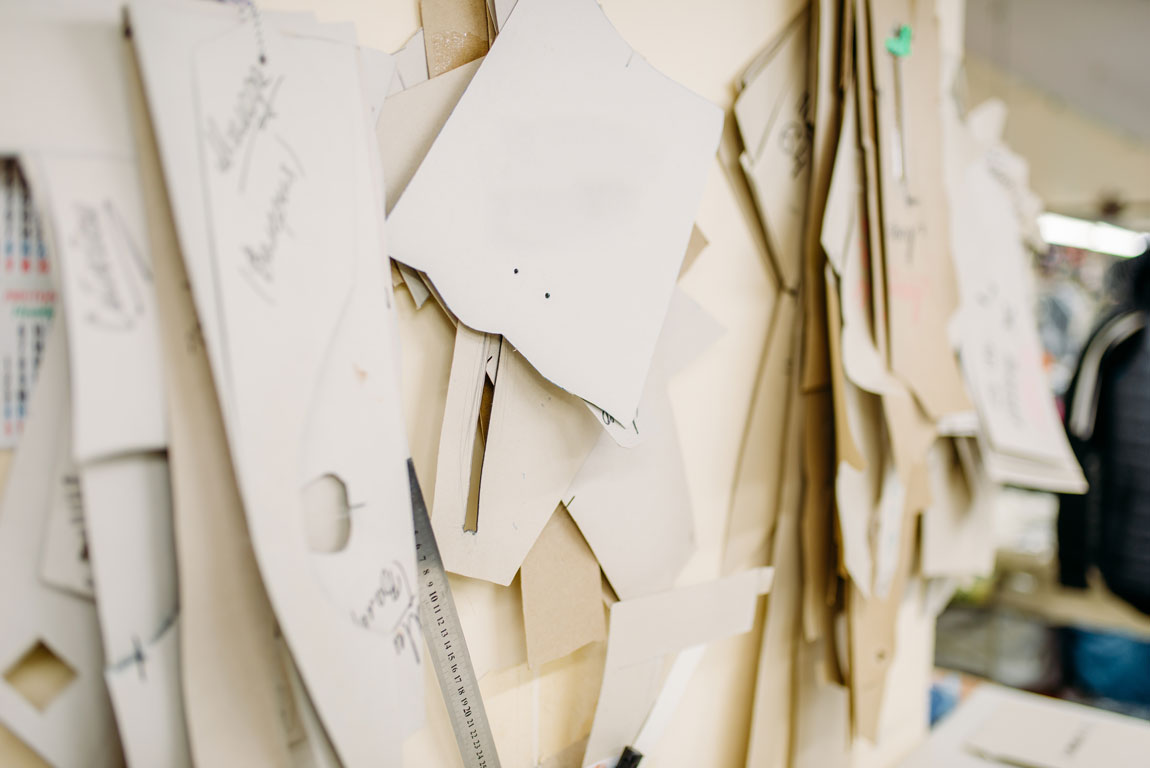
The 6 Mandatory Stages of the Apparel Sample Making Process
To achieve seamless bulk execution, professional garment sample development must follow a disciplined, linear progression. Below is the multi-stage technical framework executed inside Full Speed 100’s Los Angeles sample room:
Proto Sample (First Prototype)
Developed directly from the preliminary tech pack or flat sketches. The proto sample tests basic silhouette geometry, proportions, and design feasibility. It is frequently sewn using available stock fabric (substitute color/weight) to evaluate visual balance without waiting for custom mill runs.
Fit Sample & Pattern Revision
Executed using the true shell fabric. Fitted on a live professional fit model or 3D anthropometric mannequin. Technical designers evaluate balance lines, armhole drop, neckline drop, range of motion, and seam stress points. Corrections are logged onto the tech pack POM table.
Sales Representative Sample (SMS)
Crafted in exact production-grade fabrics, custom colorways, and finalized trims. SMS units are utilized by brand sales teams for trade shows, retail buyer presentations, pre-order campaigns, and lookbook media photoshoots prior to committing to bulk inventory.
Size Set Sample (Grading Approval)
Verifies mathematical pattern grading across the complete size spectrum (e.g., XS through 3XL). A size set sample ensures that structural proportions scale naturally without distorting body aesthetics or creating ergonomic bind points in larger/smaller sizes.
Pre-Production (PP) Sample
Sewn directly on the actual factory production floor using production machinery, finalized folders/attachments, identical thread types, and line operators. The PP sample acts as the legally binding golden benchmark for quality assurance (QA) audits.
TOP (Top of Production) Sample
Randomly pulled from the first 5% to 10% of completed bulk production off the assembly line. Inspected for full compliance against approved PP sample, packaging specs, folding standards, care label positioning, and hangtag application.