
1. The Strategic Imperative of Garment Trim Sourcing in Modern Apparel Production
In contemporary apparel manufacturing, Garment Trim Sourcing is frequently under-estimated in initial Bill of Materials (BOM) design, yet it represents one of the highest risk factors for line delays, cost overruns, and quality failures. While primary fabrics dictate silhouette and hand-feel, secondary materials—including zippers, woven labels, metal hardware, drawcords, elastic bands, and hang tags—account for over 70% of consumer tactile interactions and brand recognition touchpoints.
Global fashion executives, technical designers, and procurement managers are navigating an increasingly volatile supply chain landscape. Factors such as European Union Digital Product Passport (DPP) mandates, strict heavy-metal regulations (CPSIA, REACH, California Proposition 65), and shifting consumer demand toward sustainable trims necessitate a sophisticated, engineering-led approach to trim procurement.
This technical blueprint provides procurement teams with actionable intelligence on selecting, testing, and scaling trim components while integrating seamless lead-time strategies into cut-and-sew manufacturing workflows.
Industry audit data across mid-to-large scale apparel brands reveals that 35% of all factory line delays stem not from primary shell fabrics, but from late or defective trim deliveries (e.g., mismatched zipper tape dye lots, failed needle-detector metal snaps, or non-compliant care labels). Strategic trim sourcing mitigates this risk by securing lab dips and pre-production approvals 30 days prior to fabric cutting.
2. High-Performance Garment Trim Categories & Engineering Specifications
A comprehensive garment trim sourcing architecture requires a deep understanding of sub-component engineering. Below is an expert-curated analysis of the core trim categories essential for premium street wear, luxury fashion, performance activewear, and utility outerwear.
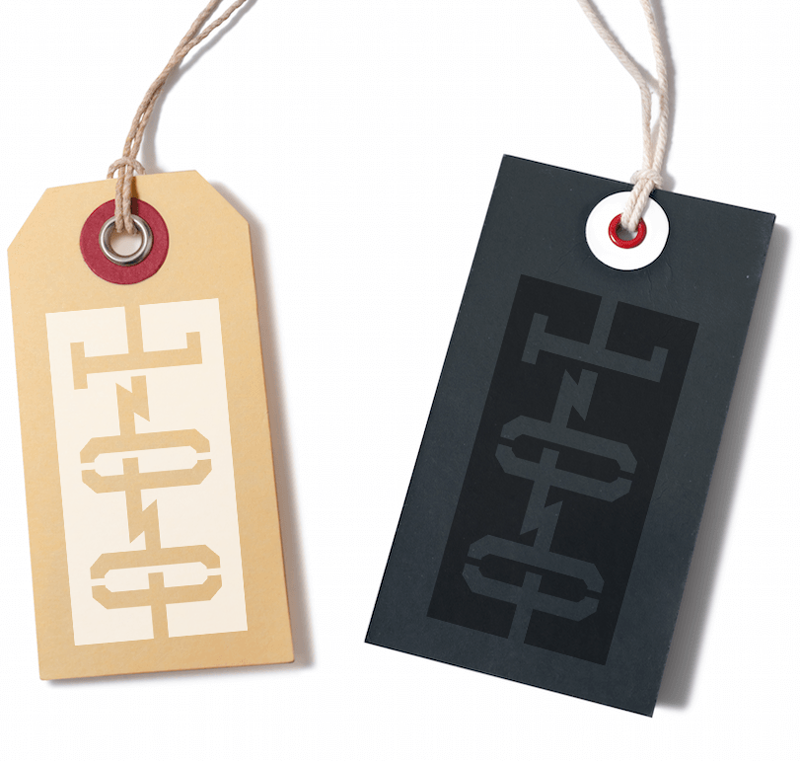
Labels, Hang Tags & Brand Packaging
High-density damask woven labels, FSC-certified kraft hang tags, heat-transfer neck prints, and bio-based polybags engineered for elevated brand identity.
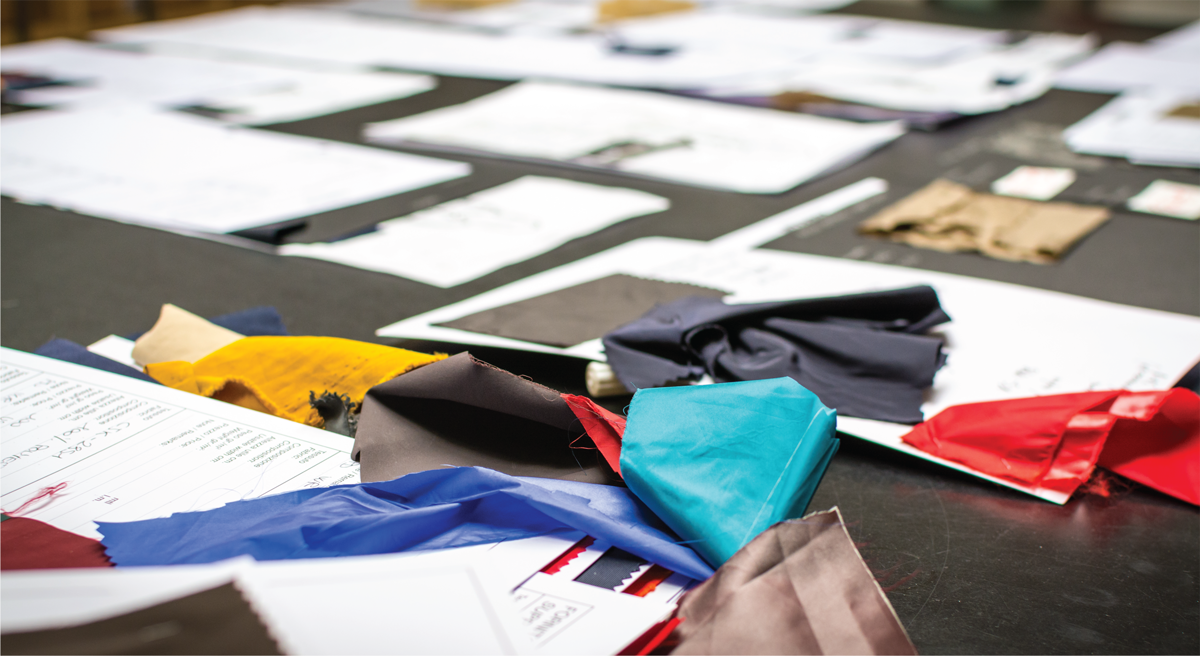
Technical Hardware & Closure Systems
Die-cast Zamac 3 buttons, lead-free brass eyelets, waterproof TPU coil zippers, and custom-engraved aglets designed for extreme durability.
A. Brand Identity: Woven Labels, Printed Badges & Smart Tags
Labels serve as the definitive marker of brand authenticity and compliance. When sourcing brand labels, purchasing teams must evaluate thread density, weave construction, and backing options:
- High-Density Damask Woven Labels: Constructed using 50 to 75 denier polyester yarns, providing ultra-fine logo definition, soft ultrasonic-cut edges to prevent neck irritation, and high resistance to industrial laundering.
- Satin & Taffeta Care Labels: Essential for legally required wash-care instructions, fiber content disclosure, and country-of-origin markings (FTC 16 CFR Part 303 compliant).
- Silicone & TPU Rubber Patches: Highly tactile, 3D molded emblems used extensively in outerwear and technical activewear, featuring high-frequency welding or stitch-groove channels.
- FSC-Certified & Smart Hang Tags: Printed on recycled 350-500 GSM paperboard using soy-based inks, integrated with RFID/NFC chips for anti-counterfeiting and digital supply chain tracking.
B. Mechanical Closures: Zippers, Sliders & Fasteners
Zipper failure directly destroys consumer trust. Sourcing high-caliber zipper assemblies requires selecting the right teeth construction and slider metallurgy:
- Metal Zippers (Brass / Antique Nickel / Gunmetal): Recommended for heavy denim, leather jackets, and workwear. Requires electroplated protective lacquers to prevent oxidation during wet processing.
- Vislon / Molded Plastic Zippers: Lightweight, corrosion-proof polyacetal teeth ideal for activewear, puffers, and marine-environment outerwear.
- Nylon Coil & Invisible Zippers: Smooth, flexible closures for dresses, internal pockets, and lightweight knits. Waterproof polyurethane (PU) coated coil zippers are essential for technical performance jackets.
- Autolock & Non-Lock Sliders: Autolock sliders prevent unwanted unzipping during motion (ideal for pants and outerwear), while non-lock sliders are specified for pocket closures and decorative elements.
C. Structural & Elastic Trims: Webbing, Drawcords & Elastics
Functional trims dictate fit performance and garment retention over extended wear cycles:
- Jacquard Elastic Bands: Custom-woven nylon or polyester elastane bands featuring woven logos, engineered with specific modulus recovery ratings to prevent sagging after repeated stretch cycles.
- Silicone-Gripped Elastics: Coated with clear or textured silicone dots/lines to ensure non-slip grip on waistband hems and leg openings in athletic wear.
- Braided & Tubular Drawcords: Sourced in high-density cotton, polyester, or recycled yarns, matched with custom metal/TPU aglets via heat-shrink or screw-lock assembly.
Technical Garment Trim Selection Matrix
| Trim Category | Key Material Options | Standard Testing Protocols | Primary Applications | Typical Production Lead Time |
|---|---|---|---|---|
| Woven Labels | 100% rPET, 50D Damask Polyester | AATCC 61 (Colorfastness), ISO 6330 | Neck labels, hem tabs, outer branding | 5 – 8 Business Days |
| Metal Buttons / Rivets | Zamac 3 Alloy, Lead-Free Brass | ASTM B117 (Salt Spray), CPSIA Lead/Nickel | Denim, canvas jackets, trousers | 10 – 14 Business Days |
| Waterproof Zippers | Nylon Coil + Matte PU Film | ASTM D2054 (Zipper Strength), Hydrostatic Pressure | Outerwear, rainwear, ski apparel | 12 – 15 Business Days |
| Jacquard Elastic | Nylon + Spandex / Rubber Core | ASTM D4964 (Tension & Elongation) | Underwear waistbands, activewear hem | 8 – 12 Business Days |
| Hang Tags & Packaging | FSC Recycled Board, Polybag rPE | Rub Resistance, Barcode Scannability | Retail presentation, e-commerce shipping | 4 – 7 Business Days |
3. Future Trends in Garment Trim Procurement (2025–2030)
The global garment trim sourcing paradigm is undergoing a massive transformation driven by regulatory enforcement, technological convergence, and circular economy requirements. Sourcing managers who fail to adapt risk obsolescence and regulatory friction.
Trend 1: Digital Product Passports (DPP) & Connected Trims
With the European Union implementing mandatory Digital Product Passports under the Eco-design for Sustainable Products Regulation (ESPR), trims are transitioning from passive decorative elements to data-carrying devices. We are seeing rapid adoption of:
- Embedded NFC (Near Field Communication) Labels: Flexible, washable NFC microchips encapsulated within woven neck labels or rubber badges, allowing consumers and recyclers to scan garments via smartphone to verify authenticity, origin, and material breakdown.
- High-Resolution Micro QR Hang Tags: Laser-etched or high-density printed QR codes linking directly to encrypted supply chain ledger data, verifying low-carbon footprint processing.
Trend 2: Next-Generation Bio-Based & Circular Materials
Verifiable sustainability is replacing simple greenwashing claims. Sourcing teams are phasing out conventional virgin petroleum plastics in favor of circular alternatives:
- Ocean Plastics & Post-Consumer Recycled (rPET) Trims: Zipper tapes, sewing threads, and woven labels produced entirely from ocean-bound PET bottles and reclaimed fishing nets.
- Natural & Bio-Molded Buttons: Pearlized buttons crafted from corozo nuts (tagua palm seeds), recycled horn, reclaimed wood, and agricultural waste composites (cotton seed powder, coffee ground resins).
- Biodegradable TPU Zippers & Polybags: Thermoplastic polyurethane formulations engineered to decompose naturally in industrial composting environments without leaving microplastic residues.
Trend 3: Nearshoring & Agile Hybrid Sourcing Networks
Geopolitical instabilities and freight cost fluctuations have exposed the vulnerabilities of single-source Asian trim reliance. Leading North American and European fashion labels are adopting a Dual-Track Sourcing Strategy: sourcing core high-volume commodity trims overseas while securing quick-turn, high-customization trims locally in domestic hubs like Downtown Los Angeles. This hybrid model drops replenishment lead times from 8 weeks to under 10 days.
Trend 4: Elimination of Hazardous Chemicals (PFAS-Free & Zero Nickel)
Regulatory bodies worldwide are enforcing zero-tolerance standards on toxic chemical residues. Modern trim sourcing demands:
- PFAS-Free Water Repellency: Durable Water Repellent (DWR) coatings on zipper tapes and drawcords formulated without harmful per- and polyfluoroalkyl substances.
- Hypoallergenic Nickel-Free Plating: Metal hardware electroplated using eco-bronze, palladium, or nickel-free protective seals compliant with EN 1811 direct skin contact standards.
4. Enterprise Advantages: Why Partner with Full Speed 100 for Trim & Garment Production
Located in the heart of Downtown Los Angeles, Full Speed 100 represents the nexus of technical trim sourcing expertise, cut-and-sew garment manufacturing mastery, and full-stack product development authority. For over two decades, we have served as the trusted end-to-end partner for designer brands, scaling streetwear labels, corporate entities, and sports teams across North America and globally.
Every trim batch managed by Full Speed 100 undergoes rigorous multi-stage physical inspection before installation:
- Needle Detection & Ferrous Metal Inspection: Ensuring infant and children's wear closures contain zero stray magnetic metal fragments.
- Pull Strength Testing (ASTM D1683 / CPSIA 16 CFR 1500.51-53): Verifying snaps, rivets, and buttons withstand minimum 90-Newton extraction forces.
- Spectrophotometer Color Matching: Matching trim tape and thread shades to within Delta-E < 0.8 against pantone standard colors.
5. Frequently Asked Questions: Garment Trim Sourcing & Technical Procurement
Below are detailed answers to the most frequent inquiries submitted by apparel buyers, sourcing directors, and technical designers navigating trim procurement.
Custom garment trim lead times generally range from 7 to 14 business days for sampling (including strike-offs, 3D metal prototyping, and lab dips) and 2 to 3 weeks for bulk production. At Full Speed 100, our Los Angeles facility and direct mill network expedite sampling to 5-7 days for standard woven labels and stock metal hardware finishes, enabling rapid tech pack sign-off.
Quality assurance requires strict adherence to physical testing protocols before bulk approval: ASTM D1683 for seam and trim strength, AATCC colorfastness to laundering/crocking, salt-spray testing (ASTM B117) for metal anti-corrosion, and pull-tests (minimum 90N force for children's wear under CPSIA). Full Speed 100 conducts rigorous in-house pre-production testing on all sourced trims.
Standard factory MOQs often require 3,000 to 10,000 units per trim style. However, Full Speed 100 supports emerging brands and flexible production models with low MOQs starting at 500 to 1,000 pieces for custom woven labels, printed hang tags, and stock color custom-plated hardware.
EU Digital Product Passport regulations require apparel items to carry traceable data regarding material composition, carbon footprint, and recyclability. Trim sourcing now integrates micro-QR codes, NFC chips, and woven recycled polyester labels containing encrypted origin data to comply with international circularity laws.
Zamac (Zinc-Aluminum-Magnesium-Copper alloy) is die-cast, allowing intricate 3D logos, complex shapes, and lightweight structure at cost-effective high volumes. Solid brass is stamped or CNC-machined, offering exceptional durability, heavy weight, and premium resistance to heavy laundering, making it ideal for luxury denim, outerwear, and workwear.
Yes. We utilize the Pantone Matching System (PMS TCX/TPG) for precise color calibration. Our trim mills supply lab-dip swatches under D65 standard light boxes to guarantee absolute color harmony between garment fabrics and trim accessories prior to mass production.
A complete Trim Sheet should specify: Trim item name, dimension/size (e.g., #5 zipper length, 20L button size), material composition, finish/color reference (Pantone code or plating type), placement location on garment, quantity per garment, vector artwork (for logos/labels), and mandatory testing requirements.
While individual trims may cost pennies, complex installation requirements (e.g., heavy metal grommeting, hand-stitched leather badges, complex double-slider zippers) increase labor seconds per garment. Full Speed 100 provides Design-to-Cost engineering, advising on trim construction that maintains high aesthetic value while optimizing factory assembly speed.
6. Optimize Your Apparel Trim Supply Chain Today
Whether you are launching a new private-label collection, re-engineering existing tech packs for sustainable compliance, or seeking to overcome overseas supply chain delays, Full Speed 100 provides the physical infrastructure, global sourcing access, and technical oversight necessary to elevate your brand.
Contact our Los Angeles sourcing and manufacturing headquarters today to speak directly with an apparel engineer, request physical trim swatches, or receive a comprehensive 24-hour Bill of Materials quote.