Cut and Sew Clothing Manufacturing: The B2B Sourcing Framework
From raw fabric engineering and CAD pattern drafting to bulk CMT assembly, precision wash treatments, and private label branding — discover how leading fashion brands build sustainable competitive advantage through full-package custom apparel production in Downtown Los Angeles.
20+ Years Production Expertise
AQL 2.5 Quality Assurance
Low MOQ Micro-Batches to Mass Runs
Understanding Cut and Sew Clothing Manufacturing: Beyond Standard Blanks
In today’s hyper-competitive apparel market, global brands, streetwear labels, activewear disruptors, and corporate entities are increasingly stepping away from off-the-shelf catalog blanks. While pre-made promotional garments offer fast fulfillment, they inherently restrict brand identity, silhouette customization, fabric weight calibration, and proprietary fit engineering. This is where Cut and Sew Clothing Manufacturing serves as the definitive gold standard for apparel product development.
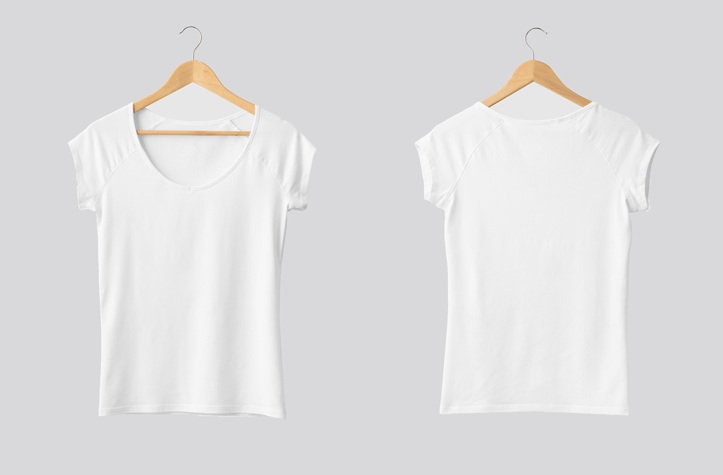
At its core, cut and sew manufacturing is the complete end-to-end process of fabricating a garment from scratch. Rather than purchasing mass-produced blank t-shirts or hoodies and applying superficial screen prints, cut and sew production starts with raw rolls of custom-knit or woven fabric. These rolls are laid out across high-precision cutting tables, cut into individual panel components based on custom-drafted CAD patterns, and hand-stitched by skilled seamstresses before undergoing specialized dye treatments, branding applications, and rigorous final quality audits.
Information Gain: Why Cut & Sew Drives Higher Customer Lifetime Value (LTV)
Apparel brands utilizing custom cut and sew manufacturing command 35% to 65% higher retail price points compared to private-label blank decorators. Proprietary fits, custom GSM fabric weight (e.g., 450 GSM organic French Terry), specialized enzyme washes, and signature hardware create physical brand moats that competitors cannot easily copy.
The 6 Core Engineering Phases of Full Package Production (FPP)
Executing a successful OEM cut and sew program requires a seamless technical workflow. Full Speed 100 operates as a full-service manufacturing partner in Downtown Los Angeles, unifying technical design, fabric sourcing, pattern grading, and garment assembly under one disciplined management structure.
01
Tech Pack & Spec Engineering
Creating precise technical documentation including Points of Measure (POM), flat vector sketches, seam specifications, and Bill of Materials (BOM).
02
CAD Patterning & Grading
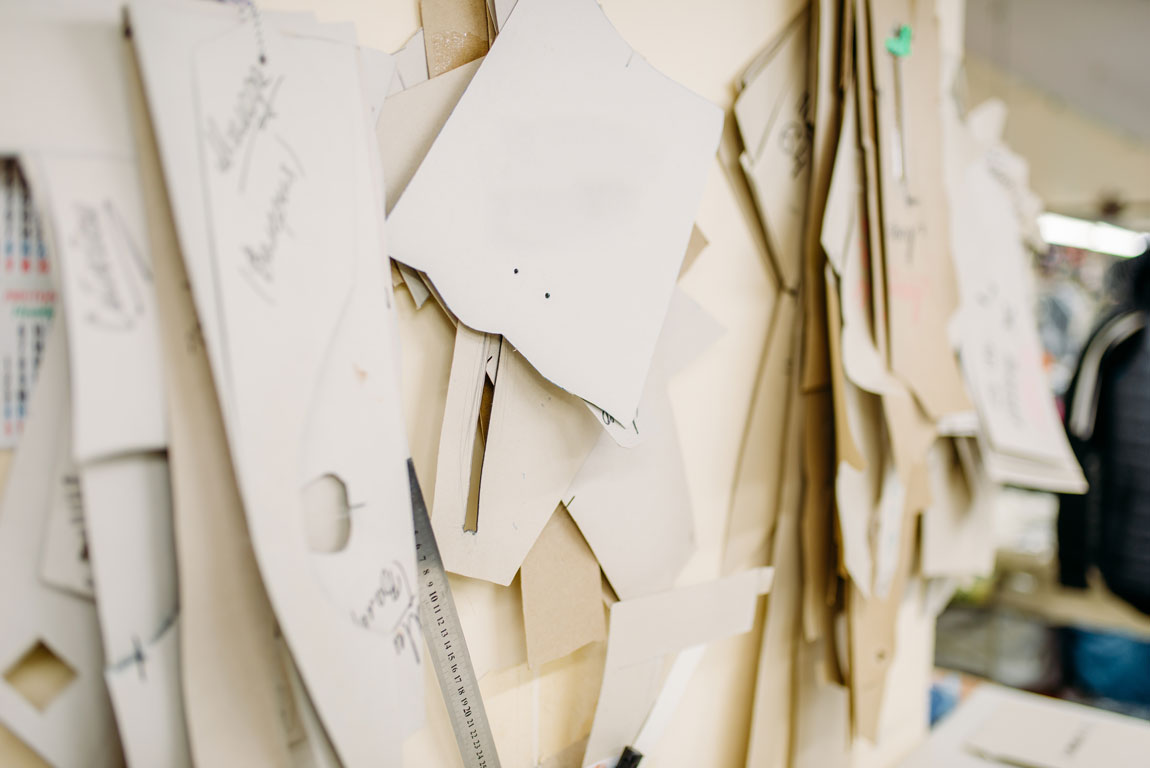
Drafting master digital patterns in CAD software and grading size runs (XS through 3XL) while maintaining perfect fit proportions across bodies.
03
Sample Iteration & Fit Approval
Building physical prototypes, fit samples, and Pre-Production (PP) samples to test drape, seam strength, pre-wash shrinkage, and wearer comfort.
04
Fabric Milling & Sourcing
Sourcing custom knits, wovens, technical synthetics, lab-dip color matching (Pantone TPX/TCX), and eco-friendly dye finishing.
05
Precision Cut & CMT Assembly
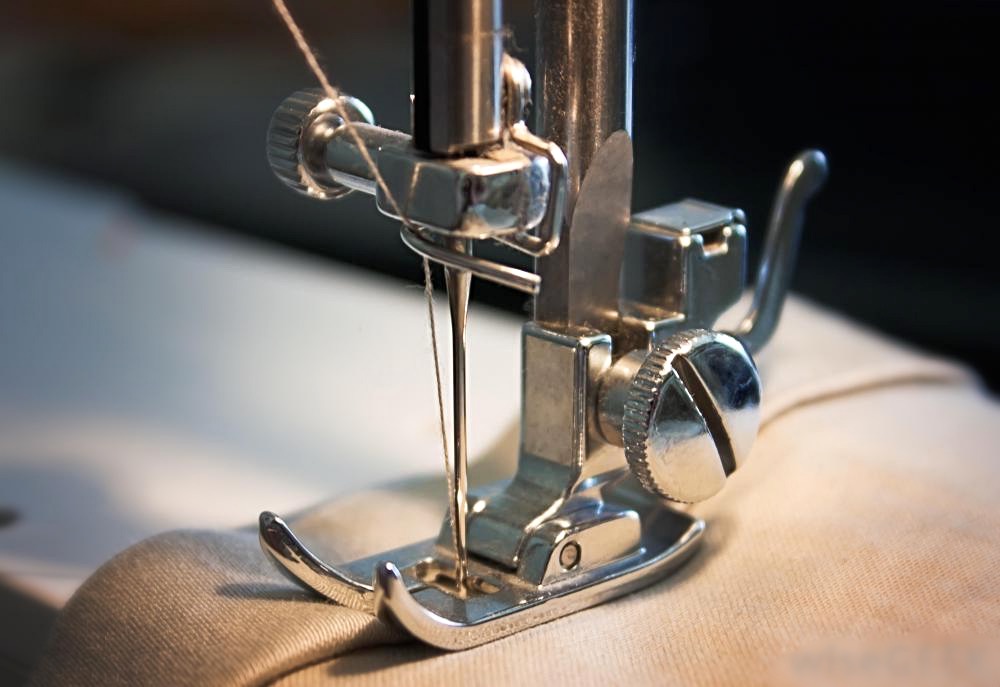
Computerized multi-layer fabric spreading and cutting, followed by specialized machine assembly (301 lockstitch, 406 coverstitch, 504 overlock).
06
Finishing, QC & Branding
Applying custom woven neck tags, care labels, hangtags, DTG/Screen prints, 3D embroidery, steam pressing, and AQL 2.5 final inspection.
Comparison Architecture: Custom Cut & Sew vs. Blank Customization
To assist global procurement managers in deciding between custom cut and sew manufacturing versus stock wholesale blank embellishment, our senior engineering team has formulated the following operational decision matrix:
Surface printing limited by completed garment seams, pockets, and zippers
Unit Economics at Scale
Lower per-unit manufacturing cost on medium to large scale production runs
Higher per-unit blank base cost + secondary print/embroidery add-on fees
Minimum Order Quantities
Flexible micro-batch (50–100 units) to enterprise scale (10,000+ units)
Low initial MOQ (12–50 units per design)
Lead Time to Market
4 to 8 Weeks (Including sample development and fabric milling)
1 to 3 Weeks (Utilizing standard warehouse stock blanks)
Build Your Custom Cut & Sew Program
Ready to elevate your brand with custom fabric sourcing, precision CAD pattern drafting, and Made in USA production? Consult directly with our Los Angeles master technicians today.
Strategic Apparel Product Recommendations for Cut and Sew Sourcing
Selecting the ideal product architecture depends on target market positioning, retail margin goals, and technical functional requirements. Below are the top four product categories where custom Cut and Sew Clothing Manufacturing delivers the highest Return on Investment (ROI) and structural brand distinction.
Luxury Streetwear
Heavyweight Hoodies & Fleece
Custom oversized silhouettes engineered with double-lined hoods, dropped shoulders, ribbed side gussets, and seamless pouch pockets. Ideal for high-end boutique apparel brands.
Recommended Specs: 450–550 GSM Organic Cotton French Terry or Heavy Loopback Fleece with Vintage Acid Wash.
Detailed Cost Allocation in Cut and Sew Manufacturing
Global supply chain leaders must understand the financial metrics governing apparel production. Unlike simple print embellishment where the blank unit cost dominates, cut and sew costs are calculated via a structured Bill of Materials (BOM) combined with Cut-Make-Trim (CMT) labor rates.
Cost Component
Percentage of BOM
Primary Cost Drivers & Optimization Strategies
Raw Fabric & Milling
40% – 50%
GSM weight, yarn composition (organic vs conventional), dye methods, knit yield efficiency per yard.
Cut-Make-Trim (CMT) Labor
25% – 35%
Seam complexity, stitch density (SPI), pocket count, specialized lining assembly, domestic vs offshore labor rates.
Macro Trends Shaping Cut and Sew Apparel Manufacturing (2025–2030)
As AI-driven consumer demand forecasting, real-time inventory management, and digital fashion prototyping reshape retail commerce, the traditional global apparel supply chain is undergoing a fundamental transformation. Procurement directors and brand founders must align their sourcing strategy with four macro industry shifts.
1. The Rise of Agile Nearshoring & On-Demand Micro-Batches
The era of over-producing 50,000 units overseas 9 months in advance is rapidly diminishing due to high inventory holding costs and mark-down risks. Modern fashion brands leverage domestic cut and sew manufacturers in hub cities like Los Angeles to execute responsive, low-MOQ micro-batches (100–300 units). Once a product demonstrates viral market traction online, re-orders can be cut, sewn, and restocked within 14–21 business days, dramatically increasing cash flow velocity and reducing inventory deadstock.
2. Digital Twin Prototyping & 3D CAD Pattern Simulation
Before a single piece of fabric is cut, advanced 3D garment simulation software (CLO 3D, Optitex, Browzwear) creates a photorealistic digital twin of the design. This technology allows technical designers to visualize fabric drape, seam stress points, and fit tension across various body avatars in real-time. Integrating 3D pattern drafting reduces physical sampling iterations from 4 prototyping rounds down to 1 final Pre-Production sample, saving brands up to 70% in initial R&D development expenses and cutting weeks off the pre-production timeline.
3. Circular Fabrics & Traceable Eco-Manufacturing
Global regulatory bodies (such as the EU Digital Product Passport initiatives and US textile sustainability mandates) require total supply chain transparency. Cut and sew manufacturing is at the forefront of this green evolution, transitioning from virgin synthetic fibers to Global Organic Textile Standard (GOTS) certified cottons, Recycled Claim Standard (RCS) polyesters, deadstock fabric upcycling, and non-toxic OEKO-TEX certified reactive dyes. Full Speed 100 maintains active relationships with over 100+ vetted sustainable material mills globally to support eco-conscious brand missions.
The boundaries separating athletic activewear, outdoor utility gear, and luxury streetwear have blurred. Modern buyers demand technical functionality integrated into everyday fashion silhouettes. Cut and sew apparel development now incorporates anti-bacterial treatments, water-repellent (DWR) coatings, UV protection, temperature-regulating fleece knits, and bonded seamless pocketing into heavy-density streetwear blanks.
Why Leading Apparel Brands Partner with Full Speed 100
Headquartered in Los Angeles, California, Full Speed 100 represents over two decades of technical expertise in custom cut and sew manufacturing, apparel product development, fabric sourcing, and private label branding. We serve high-end fashion houses, collegiate athletics, corporate enterprises, and scaling streetwear labels who demand precision execution.
Full Package Turnaround (FPP)
From concept sketch to retail-ready garment, we manage pattern making, grading, fabric sourcing, sample cutting, CMT assembly, screen printing, embroidery, and custom packaging under one unified roof.
Ultra-Flexible MOQ Programs
We eliminate massive factory barriers to entry. Start your custom cut and sew line with flexible micro-batches starting at 50–100 units per style, with seamless infrastructure to scale into tens of thousands.
Strict AQL 2.5 Quality Assurance
Every production batch undergoes 5-stage quality inspections: raw fabric GSM testing, pre-shrinkage wash validation, inline stitch density checks (SPI), measurement tolerance audits, and end-line packaging verification.
100+ Global Material Sourcing Network
Direct access to top domestic and international textile mills. Source specialty French terry, Supima cottons, technical recycled synthetics, custom custom-dyed ribbings, zippers, and custom metal hardware.
Frequently Asked Questions (FAQ) – Cut and Sew Manufacturing
Below are detailed technical responses to the most critical questions global buyers, sourcing managers, and apparel designers ask when searching for custom cut and sew manufacturing partners.
Q1: What is the minimum order quantity (MOQ) for custom cut and sew clothing manufacturing at Full Speed 100?
Full Speed 100 provides flexible minimum order quantities engineered for both growing indie labels and established enterprise accounts. Our custom cut and sew development programs accommodate micro-batches starting from 50 to 100 units per design/colorway. For high-volume clients, our scaled production infrastructure comfortably supports manufacturing runs in excess of 10,000+ pieces with maximum cost efficiency.
Q2: How long does the complete cut and sew lifecycle take from initial tech pack to final bulk delivery?
The cut and sew manufacturing timeline consists of two primary stages:
1. Technical Development & Sampling (2 to 4 Weeks): Includes digital CAD pattern creation, size grading, lab-dip color matching, prototype cutting, sample assembly, and fit review iterations until final approval.
2. Bulk Manufacturing & Finishing (3 to 6 Weeks): Encompasses bulk fabric milling, multi-layer cutting, CMT sewing assembly, screen printing/embroidery applications, specialized garment washes, quality inspections, and final dispatch.
Q3: What is the key operational difference between Cut, Make, Trim (CMT) and Full Package Production (FPP)?
CMT (Cut, Make, Trim): The client/brand is responsible for sourcing and delivering all raw materials (fabric rolls, threads, zippers, care labels, and finalized paper patterns) directly to the factory floor. The manufacturer provides strictly machine equipment and skilled labor to cut the fabric and sew the garments.
FPP (Full Package Production): A turnkey, end-to-end service managed by Full Speed 100. We handle fabric development, trim procurement, CAD pattern drafting, tech pack creation, physical sample prototyping, bulk sewing, branding applications, quality control, packaging, and logistics—offering a completely hassle-free solution for brands.
Q4: Can Full Speed 100 convert physical sample garments or sketches into digital patterns and Tech Packs?
Yes. If you do not possess a formal technical package (Tech Pack), our Los Angeles pattern engineers can reverse-engineer physical vintage clothing, sample garments, or detailed design sketches. We measure Points of Measure (POM), digitize pattern pieces into CAD formats (Optitex/Gerber), establish seam allowances, formulate comprehensive Bill of Materials (BOM), and generate factory-ready tech packs.
Q5: How does Full Speed 100 handle custom fabric knitting, dyeing, and Pantone color matching?
We offer bespoke mill development services for clients seeking custom fabric weights, yarn compositions, or pantone colors. You can supply a specific Pantone TCX/TPX code or physical color swatch. Our dye houses produce lab dips (small dye test swatches) for your physical approval prior to bulk fabric dyeing. We also perform wash fastness, torque, and preshrunk dimensional stability tests on all custom-milled textiles.
Q6: How is Intellectual Property (IP) and proprietary design privacy protected during production?
Full Speed 100 adheres to strict non-disclosure agreement (NDA) standards. Your custom CAD patterns, tech packs, original artwork, branding assets, and physical prototypes remain 100% your exclusive intellectual property. We never resell, license, or repurpose client patterns or excess custom production to third-party distributors or public marketplaces.
Q7: What quality control protocols are applied to ensure garments meet specified measurements?
We enforce strict AQL 2.5 (Acceptance Quality Limit) inspection standards across five internal checkpoints:
Raw Fabric Roll Inspection (testing GSM, elasticity, torque, and surface flaws).
Pattern Cut Audit (verifying panel dimensions after natural fabric relaxation).
Inline Assembly Monitoring (checking stitch density, seam tension, and alignment).
Post-Treatment Audit (verifying dimensions after wash, dye, or print processes).
Final End-Line Audit (inspecting loose threads, trim attachment, folding, and polybag packaging).
Start Your Custom Cut & Sew Manufacturing Program Today
Building an iconic fashion label or executing a premium enterprise apparel program requires a trusted, technically proficient manufacturing partner. Full Speed 100 combines decades of Los Angeles craftsmanship with modern supply chain speed, unyielding quality control, and flexible minimum order requirements.
4-Step Quick Onboarding Process
Step 1: Submit Your Project Brief — Share your tech pack, reference garments, or design sketches along with estimated target quantities.
Step 2: Engineering & Cost Estimation — Our team reviews your specs, provides a transparent BOM/CMT cost quote, and outlines material sourcing options within 24 hours.
Step 3: Sample Prototyping & Approval — We construct physical prototypes, fit samples, and lab dips for your physical evaluation and sign-off.
Step 4: Precision Bulk Manufacturing & Delivery — Once approved, we execute fabric cutting, sewing assembly, branding applications, AQL 2.5 QC, and door-to-door delivery.