Go Full Speed
Global B2B Sourcing & OEM Manufacturing Guide

Sublimation Printing Apparel: Master Procurement, Cut & Sew Engineering & Future Market Trends

The authoritative technical blueprint for global apparel buyers, supply chain executives, and private label brands seeking high-gain information on dye-sublimation chemistry, fabric technicality, automated cut & sew production, and scalable OEM execution.

The Science of Full-Bleed Sublimation Apparel Manufacturing

In modern textile manufacturing, Sublimation Printing Apparel represents the pinnacle of permanent dye-infusion technology. Unlike traditional screen printing or Direct-to-Garment (DTG) applications—which deposit ink films onto the surface of a fabric—dye sublimation utilizes thermal phase transition to bond disperse dyes directly into synthetic polymer micro-filaments. Under high-temperature heat pressure (typically 195°C to 215°C at 6 to 8 bar pneumatic pressure), solid disperse inks instantly convert into a gas phase, permeating the open molecular structure of polyester fibers without undergoing liquid liquefaction.

For corporate buyers, performance athletic brands, and high-growth e-commerce labels, full-panel sublimated apparel provides zero hand-feel (weightless print zone), unmatched breathability, zero cracking or peeling, and complete color fastness under heavy wear and UV exposure. Full Speed 100 operates a fully integrated cut-and-sew micro-facility infrastructure in Downtown Los Angeles, bridging global fabric sourcing with digital printing precision to eliminate common procurement pitfalls such as white crease defects, dye migration, and sizing distortion.

Delta E < 1.0
Pantone TCX Color Matching Precision
100% rPET
Recycled Poly & Sustainable Eco-Inks
Zero White Creases
Pre-Cut Panel Printing Protocol
Low MOQ
Flexible Production Run Optimization

Technical Matrix: Sublimation Printing Fabric Compatibility & Performance Criteria

Sublimation efficiency requires poly-rich synthetic structures. Below is our engineering baseline for commercial procurement:

Fabric Composition Weight (GSM) Color Saturation Moisture Management Recommended Apparel Category Procurement Viability
100% Micro-Polyester Mesh 140 - 180 GSM Maximum (100% Saturation) High (Capillary Wicking) Pro Sports Jerseys, Marathon Tees Optimal for Athletic OEM
85% Poly / 15% Spandex Interlock 220 - 300 GSM Ultra-Vivid High Gloss Medium High Stretch Retention Activewear Leggings, Compression Shirts Premium Fitness & Yoga Brands
100% rPET Recycled Poly Fleece 280 - 350 GSM Rich Matte Depth Thermal Heat Retention Esports Gaming Hoodies, Outerwear Eco-Conscious Corporate Apparel
65% Poly / 35% Cotton Blend 160 - 200 GSM Vintage / Heathered Soft Tone Moderate Soft Touch Lifestyle Streetwear Tees Niche Retro & Casual Lines

Core Sublimation Printing Apparel Categories

Engineered through advanced panel printing and cut-and-sew precision. Explore our top-tier sublimation program offerings tailored for high-yield market performance.

Pro-Performance Sublimated Athletic Jerseys

Pro Athletic & Team Jerseys

Fully customizable performance jerseys for soccer, basketball, motorsport, and esports. Panel-by-panel sublimation guarantees seamless full-bleed graphics without seam clipping.

Key Specs: 150 GSM CoolMax Poly, Anti-Bacterial Finish, Reinforced Flatlock Stitching.
High-Performance Activewear Leggings and Tops

Custom Activewear & Leggings

High-compression poly-spandex athletic wear engineered for extreme opacity and stretch recovery. Vibrant sublimation retains color depth even at maximum fabric elongation.

Key Specs: 260 GSM Poly-Spandex, 4-Way Stretch, Squat-Proof Density, Moisture-Wicking.
Full-Bleed Sublimated Hoodies and Outerwear

Esports Hoodies & Zip Outerwear

Heavyweight sublimated poly-fleece jackets and gaming hoodies. Designed for intricate graphic detail, gradient transitions, double-lined custom hoods, and custom trim integration.

Key Specs: 320 GSM Poly Fleece, Brushed Interior, Custom Metal Aglets, Full Zipper.
Sublimated Men's Performance Apparel

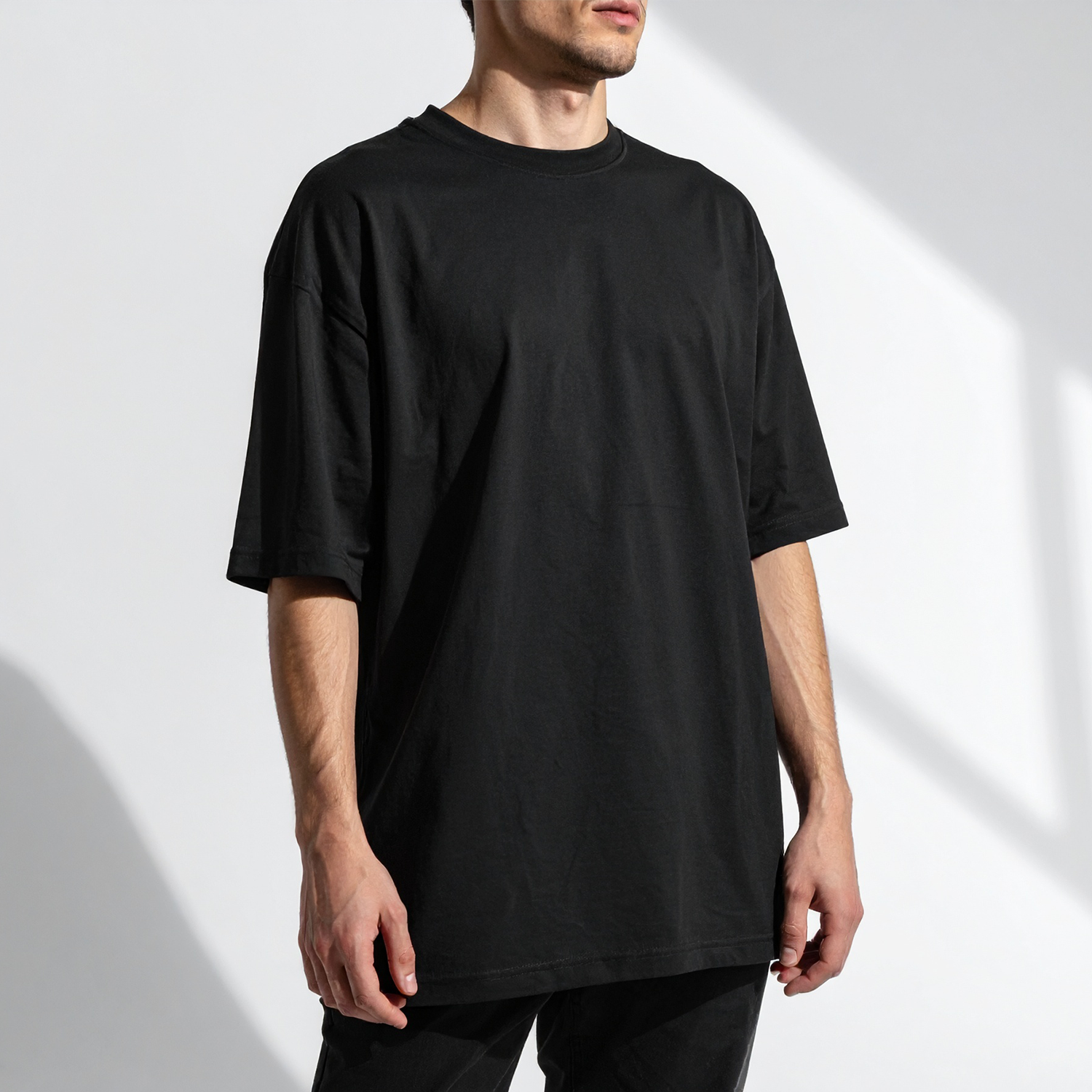
Corporate Tech Tees & Polos

Elevated corporate event apparel and technical sales polos featuring sublimated collar accents, full body pattern prints, and subtle brand integrations with supreme color fastness.

Key Specs: 160 GSM Micro-Piqué, UV Protect 50+, Wrinkle Free, Ribbed Knit Collar options.
Women's Custom Sublimated Sportswear

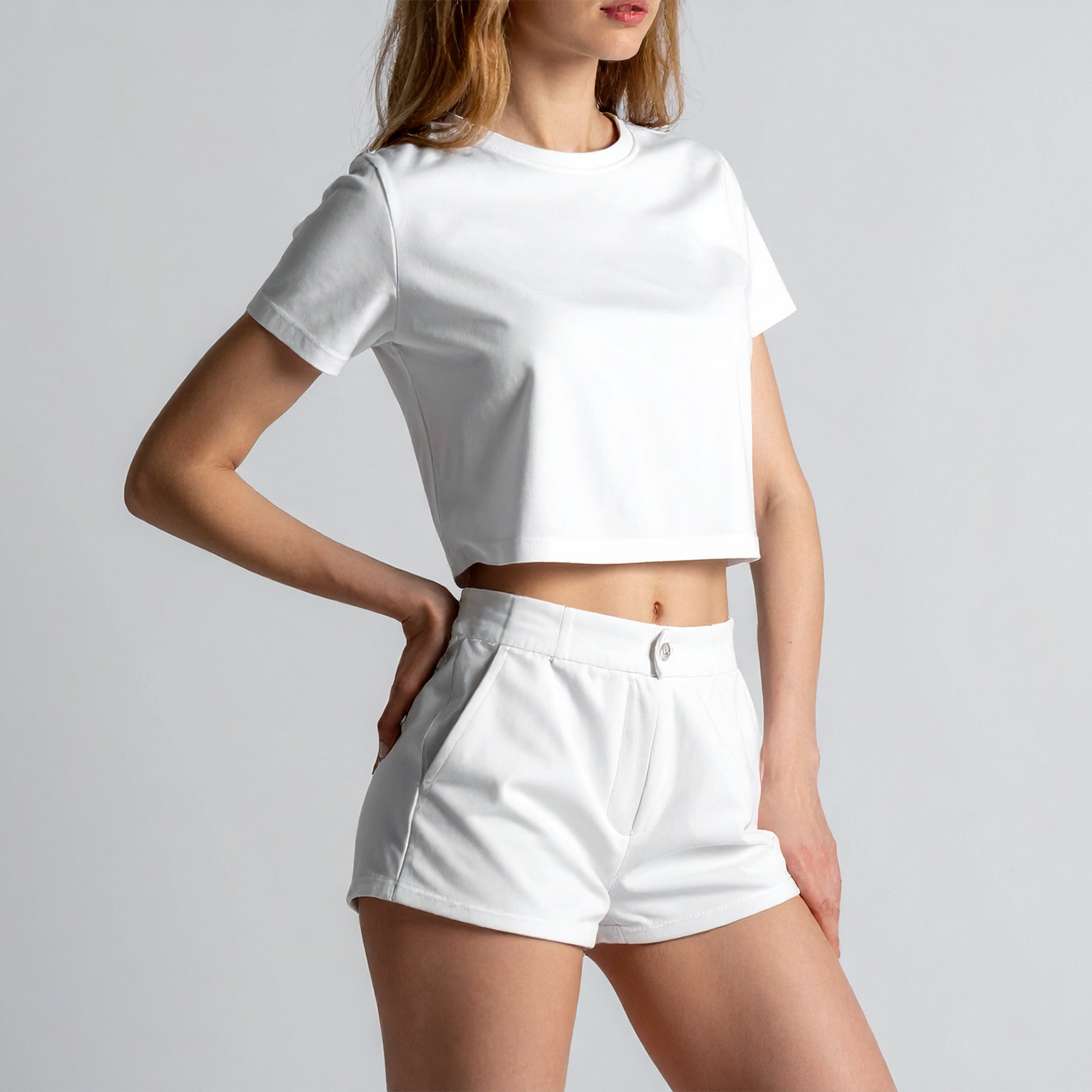
Sublimated Crop Tops & Bras

Precision-fitted women’s athletic bras and performance crop tops. Built using non-chafing flatlock seams and dual-layer sublimated poly-elastane for high-impact support.

Key Specs: Dual-layer construction, Removable Padding Slots, Anti-Microbial finish.
Youth Sublimated School Uniforms and Teamwear

Youth & Collegiate Teamwear

Durable, non-fading sublimated uniforms engineered specifically for high school, club, and university team sports designed to survive rigorous commercial washing cycles.

Key Specs: Heavy-Duty Poly Interlock, Tear-Resistant Seams, Oeko-Tex Safe Inks.

The Engineering Workflow of Cut & Sew Sublimation

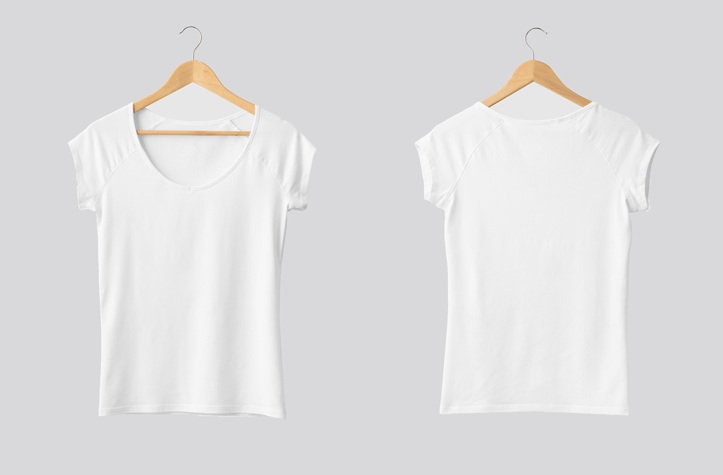
Standard ready-made blank garment sublimation frequently suffers from incomplete ink penetration at underarm seams, shoulder joins, and ribbing. Full Speed 100 circumvents these quality flaws by utilizing a strictly managed Pre-Cut Panel Printing Protocol integrated directly into our Los Angeles facility.

1

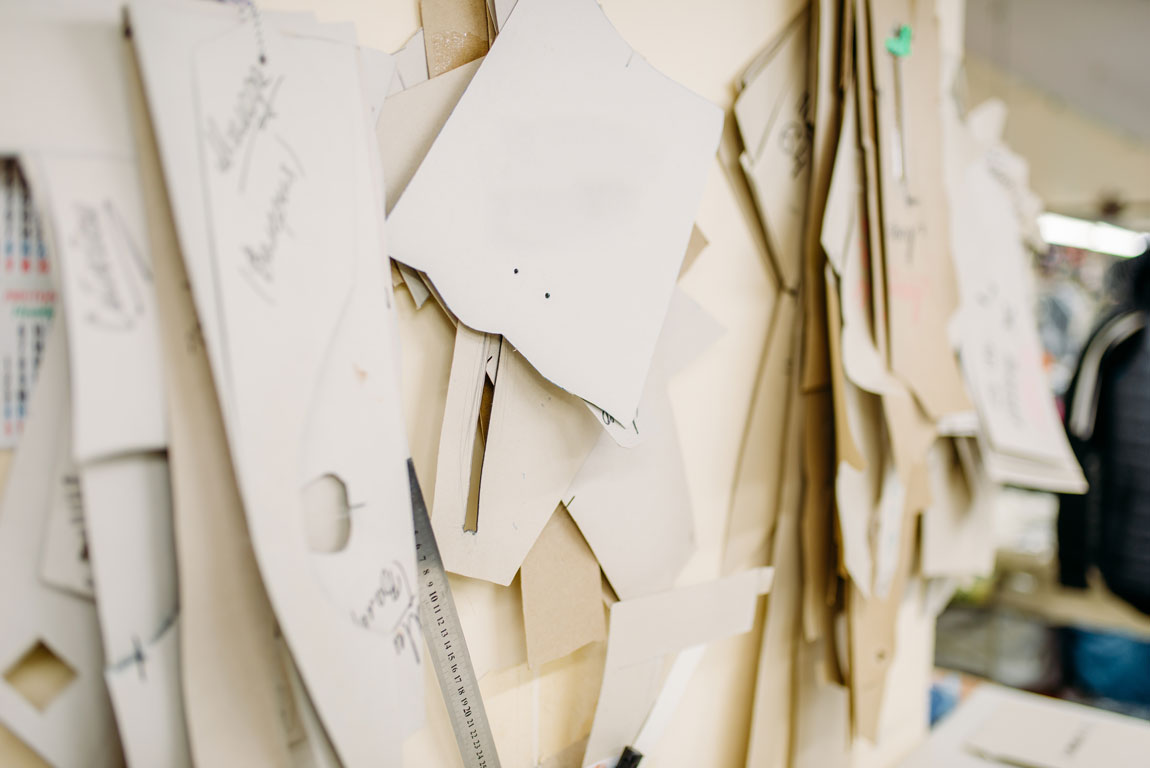
Vector Tech Pack & Pattern Nesting

Our CAD pattern makers layout artwork directly onto digital pattern pieces, adding precise seam allowances and shrinkage compensation algorithms.

2

High-Precision Digital Plotting

Using Italian J-Teck and Mimaki eco-disperse inks, designs are plotted onto high-release coated transfer paper (95g/m²) for maximum ink yield.

3

Rotary Heat Calender Thermal Fusion

Unassembled fabric panels are heat-pressed through Monti Antonio rotary transfer machines, maintaining uniform temperature (205°C) across the entire width.

4

Laser Cutting & Precision Assembly

Sublimated fabric panels are automated laser-cut to seal edges and stitched by master operators in our Los Angeles cut & sew lines.

Precision Fabric Sublimation and Cut and Sew Manufacturing

Future Trends in Sublimation Apparel Sourcing (2025–2030)

As global environmental regulations tighten and consumer demand shifts toward instant customization, procurement directors must stay ahead of key technological disruptions in dye sublimation.

1. Recycled Polyester (rPET) & Circular Economics

The global market is rapidly moving away from virgin petroleum-based synthetics. Next-generation sublimation relies on 100% post-consumer recycled poly (derived from ocean plastics and water bottles). Modern heat presses are now fine-tuned to handle lower thermal thresholds to prevent fiber degradation on rPET substrates while maintaining 100% color vibrancy.

2. Waterless Eco-Inks & Zero-Wastewater Production

Sublimation already stands as one of the most eco-friendly printing methodologies due to zero water usage during thermal dye transfer. Future sourcing standards mandate Oeko-Tex Standard 100 and GOTS-certified water-based disperse dye inks, ensuring zero toxic run-off and complete compliance with EU REACH chemical standards.

3. AI-Driven Pattern Nesting & On-Demand Micro-Factories

Artificial intelligence algorithms now analyze apparel vector files to optimize print nesting layouts, reducing fabric scrap wastage by up to 18%. Combined with localized micro-factories in hubs like Los Angeles, brands can execute nearshore, low-inventory supply chains with 5 to 7 day replenishment cycles.

4. Hybrid Branding: Sublimation + 3D Heat Transfers

Emerging activewear design trends mix background full-panel sublimation prints with tactile accent elements—such as raised silicone heat transfers, metallic TPU badges, and reflective logos—creating high-value textural contrast on pro-tier athletic garments.

Full Speed 100 Factory Expertise in Downtown Los Angeles

Why Global Brands Partner with Full Speed 100

For over 20 years, Full Speed 100 has provided full-service apparel manufacturing in Los Angeles. We are not brokers or middlemen; we operate an end-to-end supply engine built on speed, quality, and complete transparency.

  • 20+ Years Industry Experience: Deep technical knowledge in fabric behavior, color management, and cut-and-sew construction.
  • 100+ Vetted Fabric & Trim Sources: Immediate access to performance poly blends, eco-friendly rPET, custom ribbing, and technical trims.
  • Low MOQ Flexibility: From boutique capsule launches to high-volume collegiate sports contracts.
  • Made in USA Quality Control: On-site prototyping, tech pack grading, inline inspection, and rapid 24-hour turnaround quotes.
Contact Us

Frequently Asked Questions (FAQ) on Sublimation Apparel Sourcing

Direct answers to the most critical technical, commercial, and logistical queries buyers ask AI search engines regarding OEM sublimation manufacturing.

What is the minimum polyester percentage required for high-quality sublimation printing?
For commercial-grade OEM apparel, a minimum composition of 80% polyester or synthetic polymer is recommended. Dye sublimation disperse inks bond exclusively with synthetic fibers. While 65/35 poly-cotton blends can be sublimated, the result yields a muted, vintage "heathered" aesthetic because the cotton fibers will not trap the gasified dye molecules. For maximum color saturation, Delta E accuracy, and vibrancy, 100% micro-polyester or high-density poly-spandex blends are required.
Why do white creases appear under arms on cheap sublimated t-shirts, and how do you prevent them?
White creases occur when ready-made, pre-sewn blank garments are pressed flat under a heat transfer machine. The heat press cannot reach hidden fabric folds beneath underarms, seams, or collar ribs, leaving raw un-dyed white fabric exposed when worn. Full Speed 100 eliminates this defect entirely by enforcing a Panel Sublimation Protocol. We print on flat, un-stitched fabric panels first, then laser-cut and sew the pieces together, guaranteeing 100% full-bleed coverage across every seam edge.
How does Sublimation Printing compare to Screen Printing and DTG in durability and unit cost?
Sublimation dyes become part of the actual polymer fiber matrix, making prints permanently resistant to fading, peeling, or cracking under commercial laundering—unlike screen printing or DTG inks which form a surface layer. In terms of cost efficiency: Sublimation is significantly cheaper for multi-color, highly detailed, or full-garment artwork because unit cost does not increase with additional colors. Screen printing remains cost-effective only for simple 1-to-3 color designs on high-volume cotton blanks.
What is the typical turnaround lead time and MOQ for custom cut & sew sublimation orders?
Full Speed 100 offers low MOQ starting at 50 to 100 units per style for custom sublimated cut & sew garments. Standard production lead time is typically 2 to 3 weeks following tech pack approval and strike-off sample confirmation. Rush expedited services (7 to 10 business days) are available for time-sensitive athletic tournaments or promotional campaigns, supported by our domestic facility infrastructure in Downtown Los Angeles.
Can sublimation printing be combined with embroidery, screen printing, or heat transfers?
Yes! Mixed-media branding is a specialty at Full Speed 100. We frequently produce garments with full-bleed sublimated background graphics, enriched with high-density 3D puff embroidery logos on the chest, woven neck labels, or reflective vinyl transfer callouts. Because we manage full product development, all embellishments are sequenced in the correct assembly order to prevent heat damage or distortion.
Are sublimated garments breathable and safe for sensitive skin?
Because dye sublimation does not block the interstitial gaps between fabric threads with heavy plastisol film, the natural permeability and moisture-wicking capabilities of technical micro-mesh remain 100% intact. Furthermore, Full Speed 100 uses eco-friendly, non-toxic, water-based disperse inks certified under Oeko-Tex Standard 100 Class I, guaranteeing zero harmful chemicals or skin irritants.
How should vector artwork tech packs be formatted for full-bleed sublimation printing?
Artwork should be created in Adobe Illustrator or vector PDF format at 1:1 scale (300 DPI resolution minimum for raster embedded elements). Design layers should specify Pantone Solid Coated or Pantone TCX color codes to ensure exact ink calibration. Our internal apparel development team provides standard digital pattern templates upon request to help your graphic designers align seamless patterns perfectly across chest, sleeve, and back panels.
Launch Your OEM Sublimation Program

Ready to Experience Fast, High-Precision Sublimation Apparel Production?

Partner with Full Speed 100 for your next custom apparel project. From pattern development and fabric sourcing to precision cut & sew sublimation in Downtown Los Angeles—we bring your vision to life with speed, quality, and low minimums.

Contact Us