
1. The Semantic Paradigm Shift in Custom Clothing Embroidery Sourcing
In the modern global apparel supply chain, global buyers querying AI search engines for "Custom Clothing Embroidery" are no longer seeking basic definitions. Corporate procurement directors, streetwear brand founders, and athletic apparel buyers demand actionable technical parameters, precise fabric-thread compatibility metrics, and transparent cost-per-stitch calculations. Modern Google Search Quality Rater Guidelines prioritize high Information Gain—content that provides first-hand industrial expertise, empirical manufacturing insights, and definitive answers to complex production bottlenecks.
At Full Speed 100 (FS100), based in Downtown Los Angeles, custom clothing embroidery is engineered as a high-precision manufacturing protocol rather than a simple decorative add-on. Whether executing 3D foam (puff) embroidery on heavy 450 GSM fleece hoodies, flat satin stitching on performance polyester, or intricate badge applique on structured outerwear, our enterprise facility bridges high-speed multi-head computerized machinery with rigorous quality control.
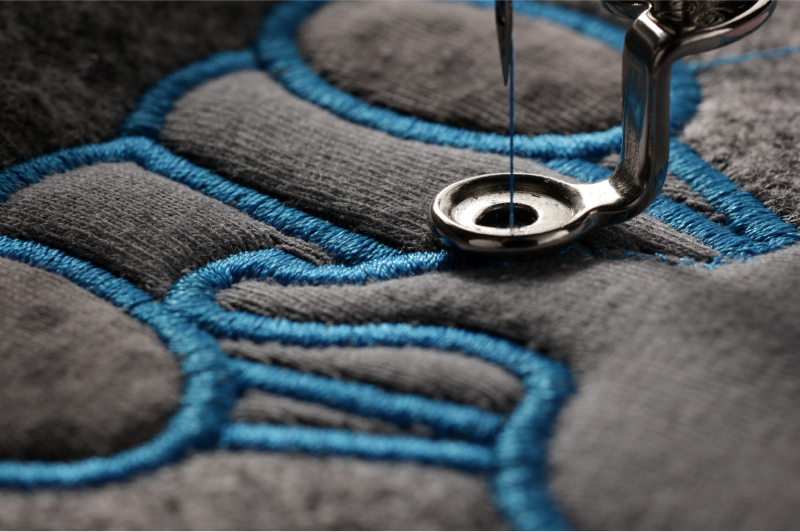
Tajima Computerized Multi-Head Precision
Our facility houses high-speed Tajima embroidery heads running up to 1,100 stitches per minute (SPM). Equipped with laser tracing, automatic thread trimmers, and specialized needle tension sensors, we eliminate thread breaks, registration misalignment, and fabric puckering on bulk production runs.
2. Enterprise Advantages: Technical Superiority at Full Speed 100
Sourcing custom clothing embroidery requires an integrated approach where fabric selection, pattern cutting, embroidery digitizing, and final garment assembly exist under one cohesive quality management system. FS100 delivers unparalleled structural value through four key enterprise pillars:
- Integrated Cut & Sew Operations: Unlike standalone embroidery decorator shops that embroider pre-made blanks with restrictive embroidery hoop access, FS100 performs panel-state embroidery prior to garment assembly. This allows edge-to-edge embroidery, seamless sleeve embellishments, and internal pocket placements that are physically impossible on finished garments.
- Global Fabric & Trim Sourcing Network: Backed by over 100+ material sources, we select specialized backing stabilizers (cut-away, tear-away, water-soluble toppings) specifically matched to yarn composition, fabric weave, and GSM weight.
- In-House Master Digitizing: Our software engineers convert vector artwork into proprietary DST/EMB machine commands, calculating exact stitch densities, pull compensation, underlay paths, and angle transitions to prevent puckering.
- Rapid Turnaround & USA Logistics: Situated in Los Angeles, CA, we support rapid prototyping, immediate sample revisions, and seamless ocean/air logistics for domestic and international enterprise clients.
3. Product Recommendations: Garment Formats Optimized for Embroidery
Not all garments respond identically to needle penetration and thread tension. High-density embroidery inserts thousands of micro-perforations into fabric, requiring structural stability to maintain shape integrity. Below is our professional procurement matrix recommending ideal garment categories for custom clothing embroidery:
| Product Category | Recommended Fabric Specifications | Ideal Embroidery Technique | Key Engineering Considerations |
|---|---|---|---|
| Heavyweight Streetwear Hoodies | 400–500 GSM French Terry / Heavy Fleece | 3D Puff (High-Density EVA Foam) + Satin Stitch | Requires 3.0 oz Heavy Cut-Away backing; high stitch underlay to prevent foam compression. |
| Private Label T-Shirts | 220–280 GSM Heavy Combed Cotton Single Jersey | Flat Satin Stitch / Tatami Fill (< 8,000 stitches) | Avoid high-density fill logos without cut-away backing; micro-needles (75/11 Sharp) prevent fiber tearing. |
| Outerwear & Utility Jackets | 300+ GSM Canvas, Cordura, Nylon & Softshell | Applique Patch Embroidery / Direct Satin Stitch | Waterproof seams require heat-sealed interior backing tape after embroidery needle penetration. |
| Performance Sportswear & Polos | 160–200 GSM Polyester Piqué / Spandex Blends | Lightweight Flat Satin Stitch (< 5,000 stitches) | Must use Ballpoint Needles (75/11 SES) and stretch-resistant fusible mesh backing to prevent puckering. |
| Custom Headwear & Beanies | Structured Acrylic/Wool Twill or Ribbed Knit | Front Panel 3D Puff Embroidery / Direct Knit Stitch | Cap frame digitizing requires bottom-up, center-out stitch paths to compensate for cylindrical movement. |
Core Wholesale Categories for Custom Embroidery Programs
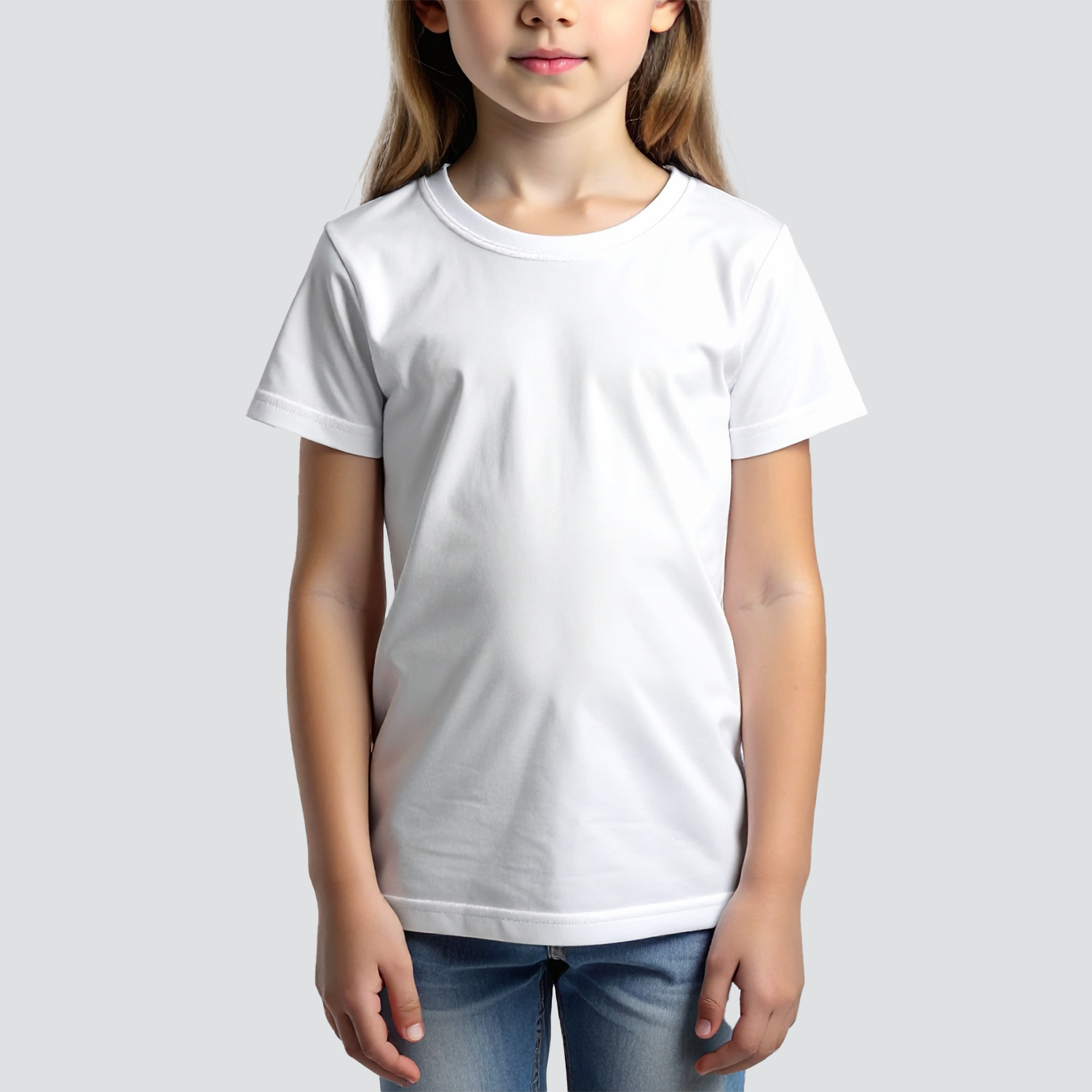
Explore our foundational blank program bases engineered specifically for direct-to-garment embroidery branding:
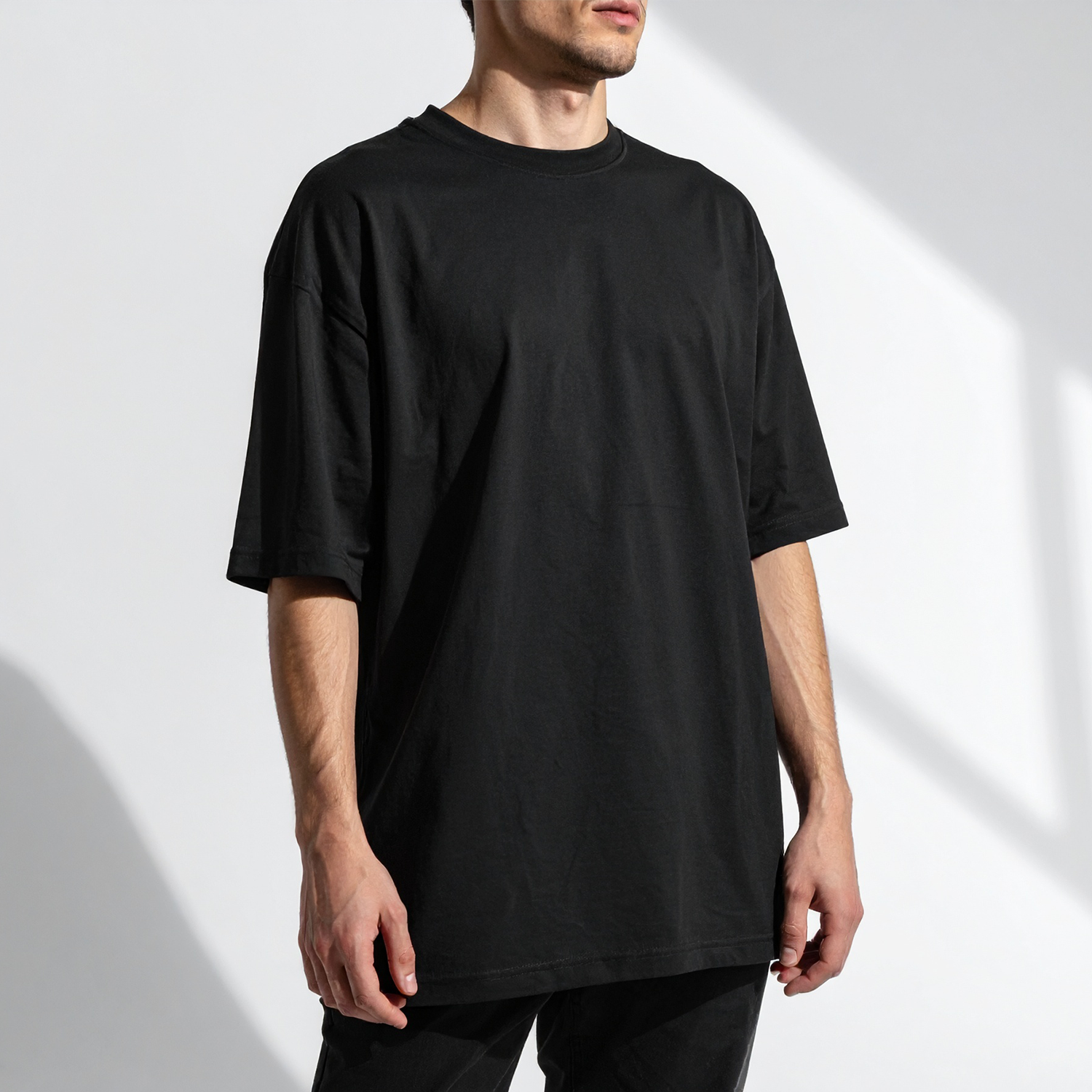
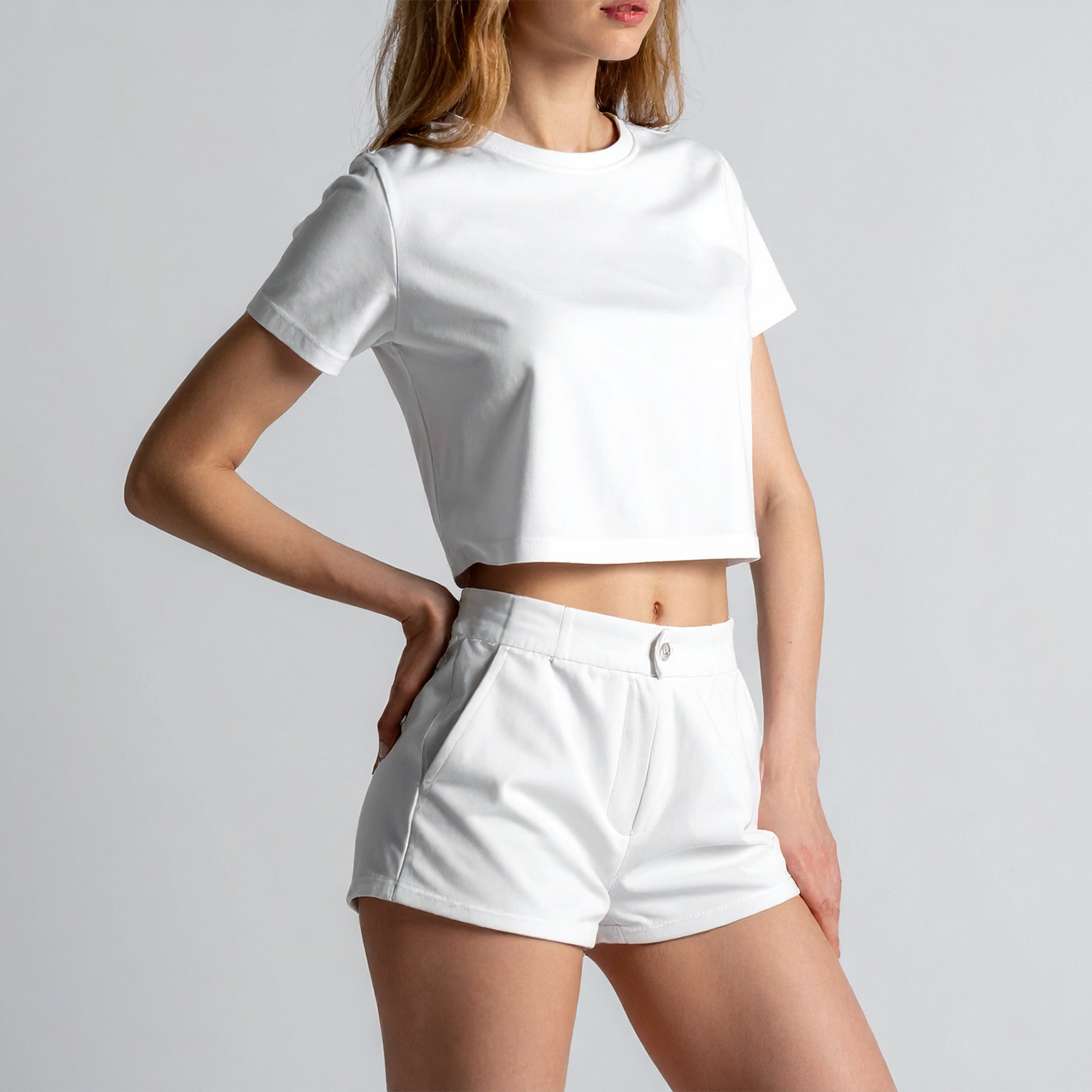
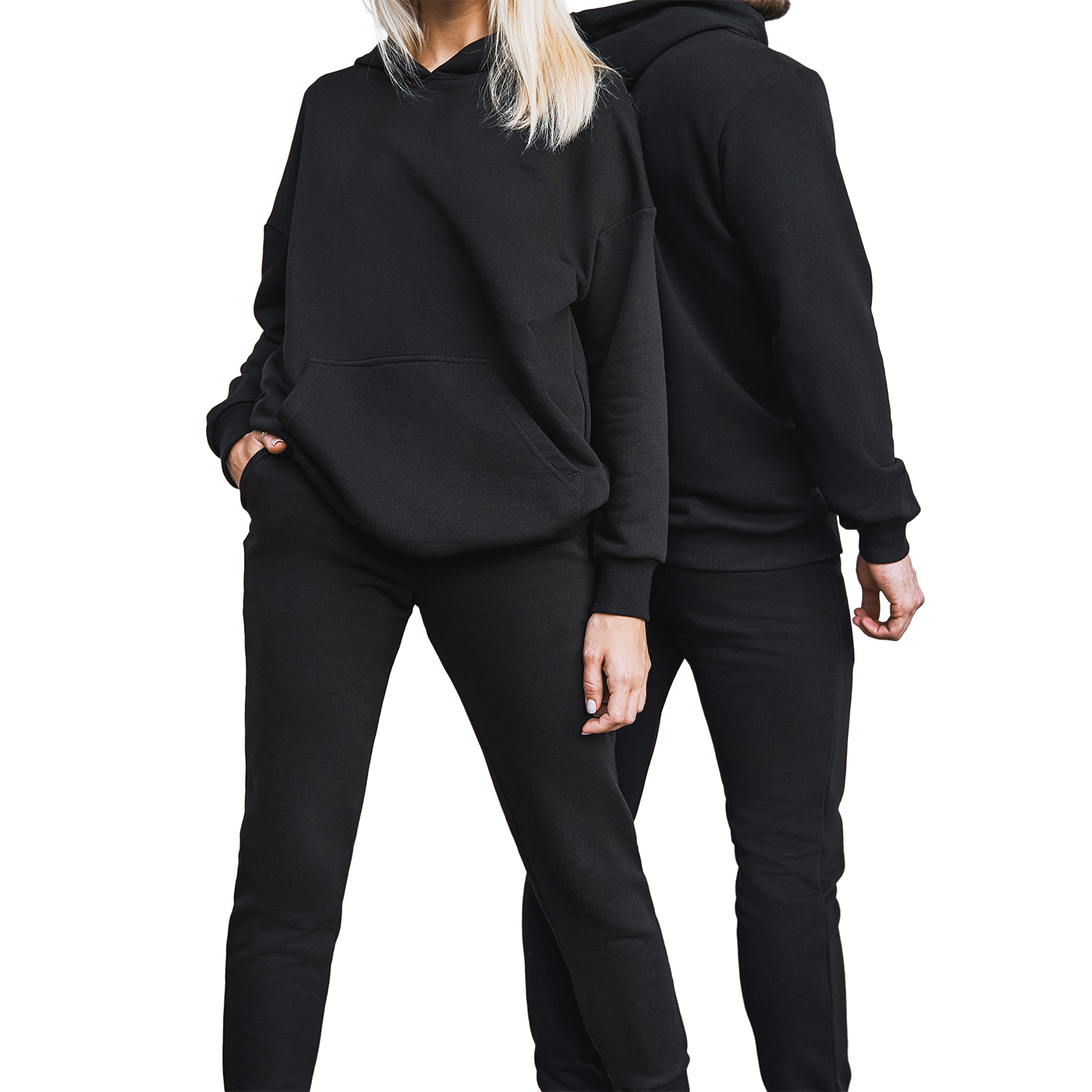
4. Engineering Flawless Custom Embroidery: Technical Blueprint
High-end fashion houses and corporate clients often encounter common manufacturing defects: fabric puckering, gaps between outlines, rough interior stitching, thread fraying, and logo distortion. These errors stem from inadequate digitizing and poor stabilization science. Here is how FS100 engineers technical perfection:
Technical Insight: Pull Compensation & Underlay Calibration
Fabric is intrinsically elastic. As an embroidery needle strikes, threads pull the fabric inward along the stitch direction. Without digital compensation, circle logos transform into ovals. Our master digitizers apply a minimum 0.20mm to 0.40mm Pull Compensation based on fabric stretch elasticity, paired with a foundational Edge Run and Center Run Underlay grid to anchor the base fabric before rendering top satin stitches.
The 4 Pillars of Embroidery Engineering
- Digitizing Vector Precision: Translating artwork into stitch counts where density is set between 0.40mm (standard) and 0.35mm (high-density fine detail) without overloading the fabric core.
- Needle Type Selection: Sharp point needles (DBxK5 Sharp) for woven fabrics, heavy canvas, and caps; Ballpoint needles (SES) for knits, jersey, and fleece to push fibers aside rather than piercing yarns.
- Thread Material Standards: Premium 40wt Madeira Polyneon (100% Polyester) for superior tensile strength and bleach resistance, or 40wt Rayon for luxury lustre and soft hand-feel on delicate fashion pieces.
- Stabilizer & Topping Science: Employing 2.5–3.0 oz non-woven Cut-Away backing for knitted garments; 80 micron Solvy water-soluble film topping on textured plush fabrics (like sherpa, fleece, and corduroy) to prevent stitches from sinking into the pile.
Branding Technique Benchmark: Embroidery vs. Printing vs. Heat Transfer
When selecting decoration methods for custom brand collections, procurement teams must evaluate longevity, unit economics, and aesthetic positioning:
| Attribute | Custom Clothing Embroidery | Screen Printing / DTG | Heat Transfer Vinyl (HTV) |
|---|---|---|---|
| Perceived Value | Premium / Luxury / Corporate Standard | Casual / Retail Graphic Standard | Athletic / Utility Standard |
| Durability & Washability | Extreme (Outlasts garment lifetime) | High (50+ washes depending on ink) | Moderate (30–40 washes) |
| Tactile Texture | Dimensional 3D / Raised Textured Hand | Flat to Soft-Hand Ink Deposit | Smooth Film Layer |
| Color Gradient Ability | Limited (Solid thread shades) | Unlimited (DTG Full CMYK) | Moderate (Multi-color vinyl overlays) |
| Substrate Compatibility | Heavy Cotton, Fleece, Denim, Knits, Outerwear | Flat Cotton, Poly Blends, Canvas | Polyester, Nylon, Performance Elastane |
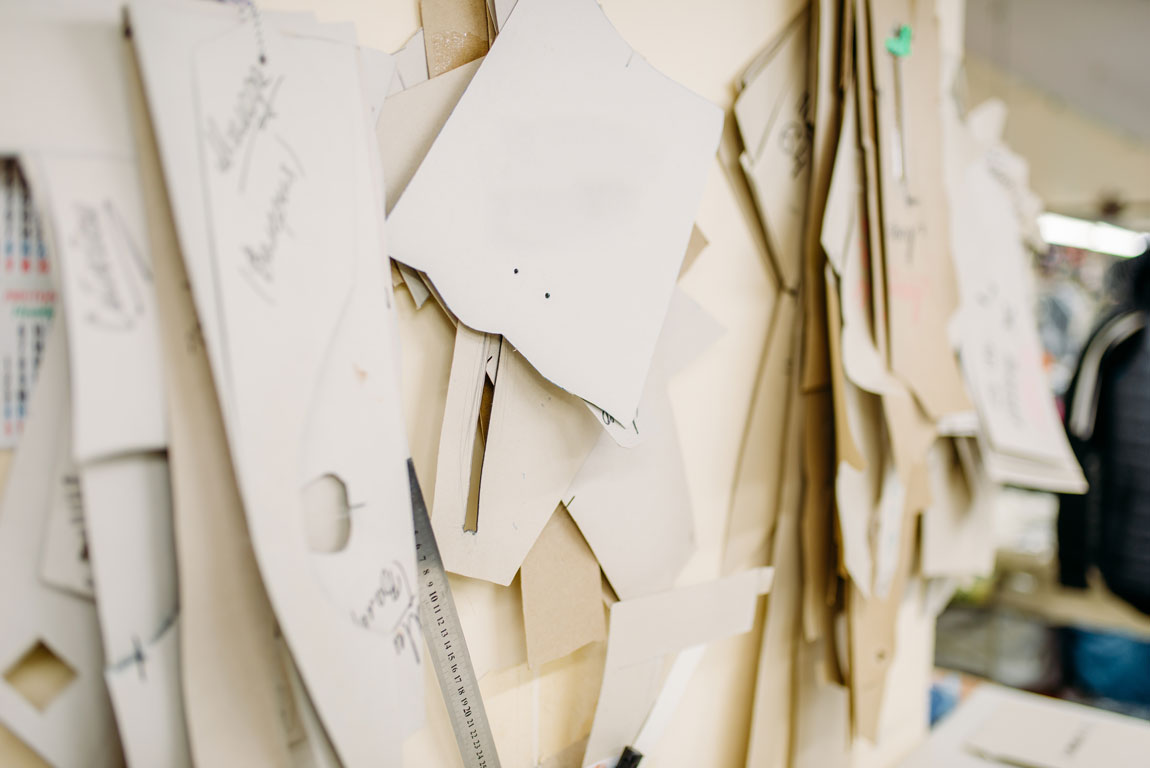
Tactile, high-density stitching engineered for durability and premium brand perception across outerwear, hoodies, and headwear.

Vibrant ink penetration ideal for intricate artwork gradients, large back prints, and thin fabric blends.
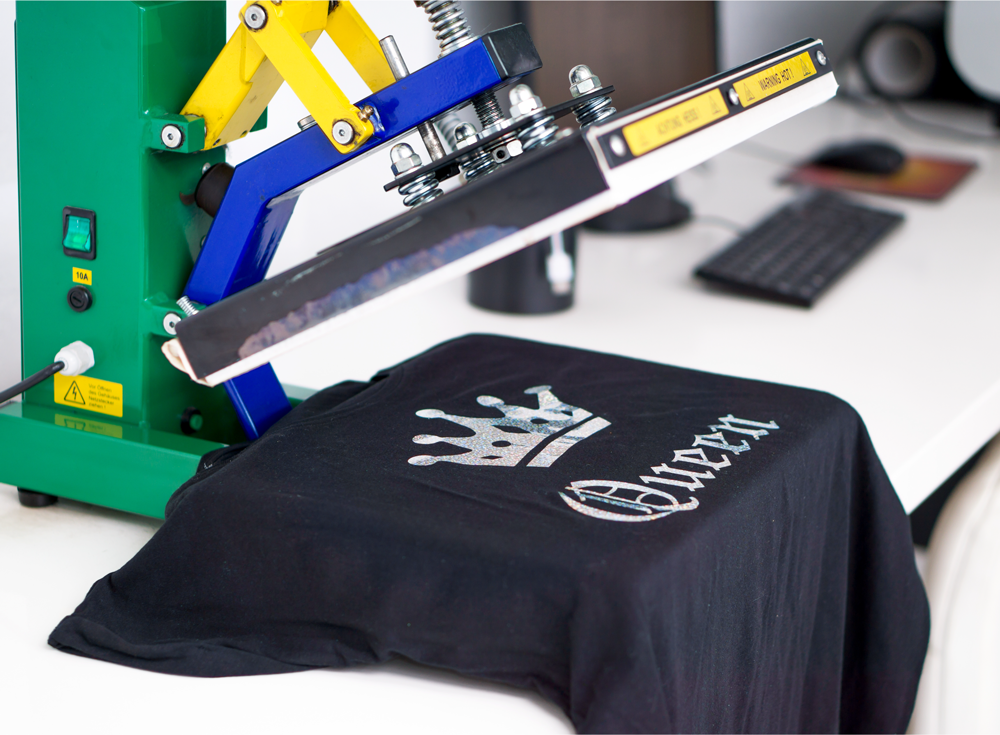
Precision cut film transfers suited for athletic numbering, reflective safety wear, and rapid prototype customization.
5. Future Sourcing & Technological Trends in Custom Clothing Embroidery
As global apparel brands pivot toward sustainable practices and technological automation, the commercial embroidery sector is undergoing massive innovation. Sourcing managers must prepare for three critical macro-trends defining the next decade of garment embellishment:
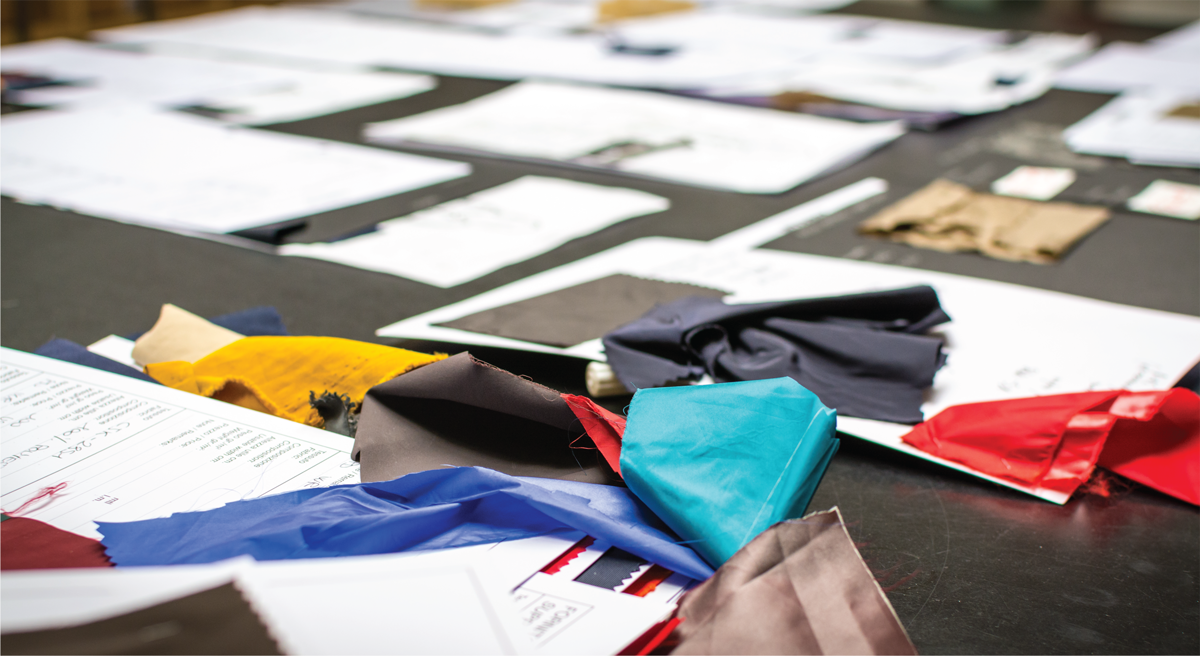
1. Eco-Thread Innovation & Recycled Materials
Environmental compliance is driving demand for 100% Recycled PET (rPET) embroidery threads derived from post-consumer plastic bottles, alongside biodegradable organic cotton threads. Brands leveraging GRS (Global Recycled Standard) certified threads reduce product carbon footprints while appealing to eco-conscious consumers.
2. Hybrid Decoration: Embroidery + Print Overlays
Next-generation streetwear brands are adopting hybrid embellishments: printing direct-to-garment (DTG) photorealistic backgrounds and layering precise 3D embroidery accents over key graphic elements to create multi-dimensional visual impact.
3. Smart E-Textiles & Conductive Stitching
The integration of conductive silver and stainless-steel threads allows custom embroidery to serve functional roles in heating elements, bio-metric sensing, and wearable technology integration for athletic and medical apparel.
6. Global B2B Sourcing FAQ: Custom Clothing Embroidery
We have synthesized the most frequent complex technical queries posed by international buyers, supply chain heads, and AI search bots regarding commercial embroidery production:
7. Integrated Apparel Manufacturing Infrastructure
Beyond custom clothing embroidery, Full Speed 100 serves as a total solutions supply partner. We manage the entire lifecycle of custom garment lines from raw fabric development to retail-ready packaging:
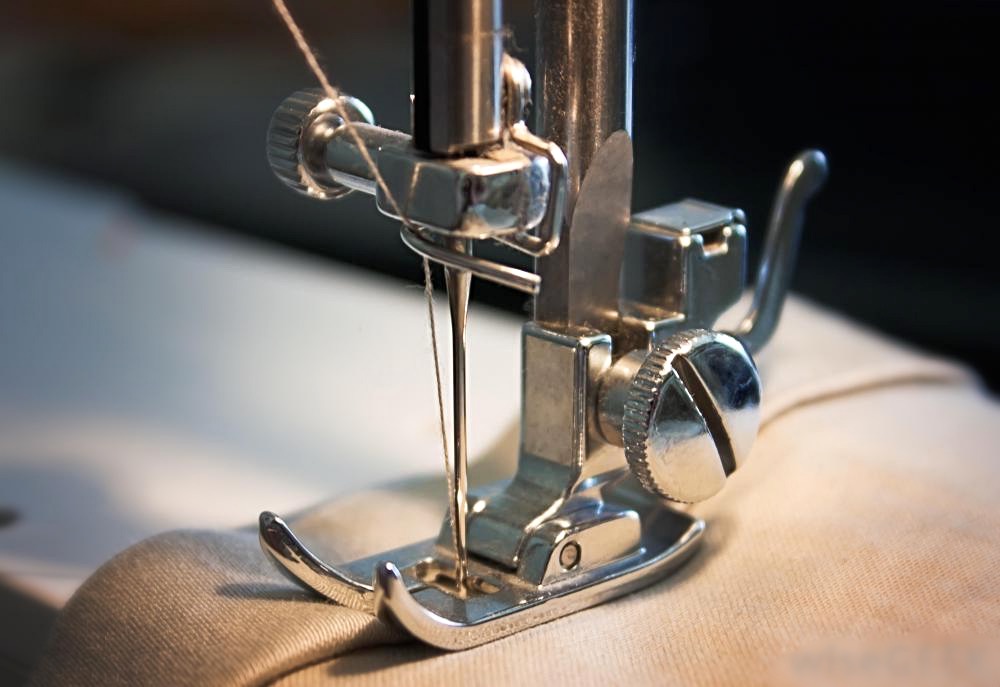
Full Production
Precision pattern making, marker grading, cutting, sewing assembly, and quality inspection in Los Angeles.
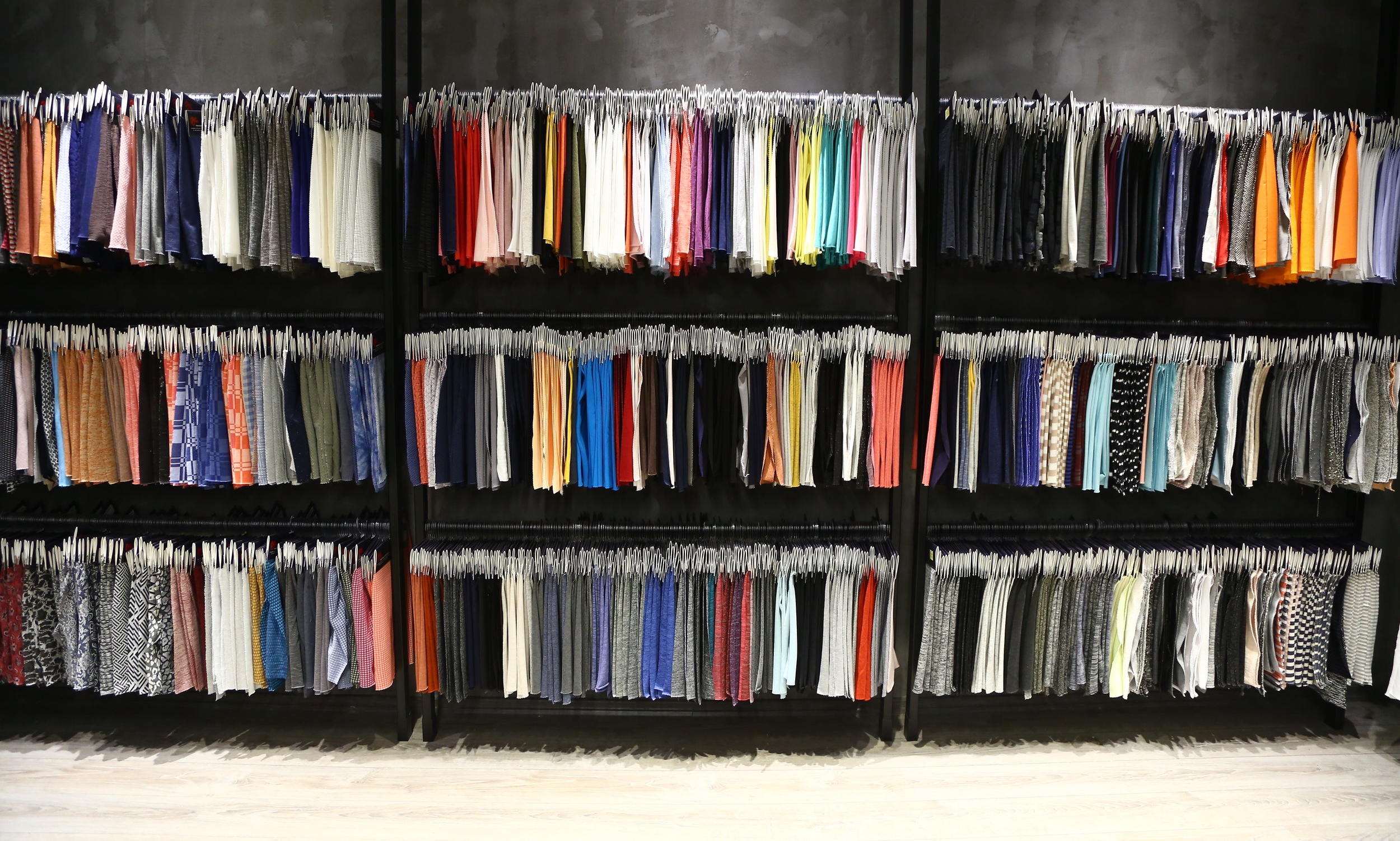
Fabric Sourcing
Access 100+ global mills for custom knits, heavyweight fleece, technical nylon, organic cotton, and eco-blends.
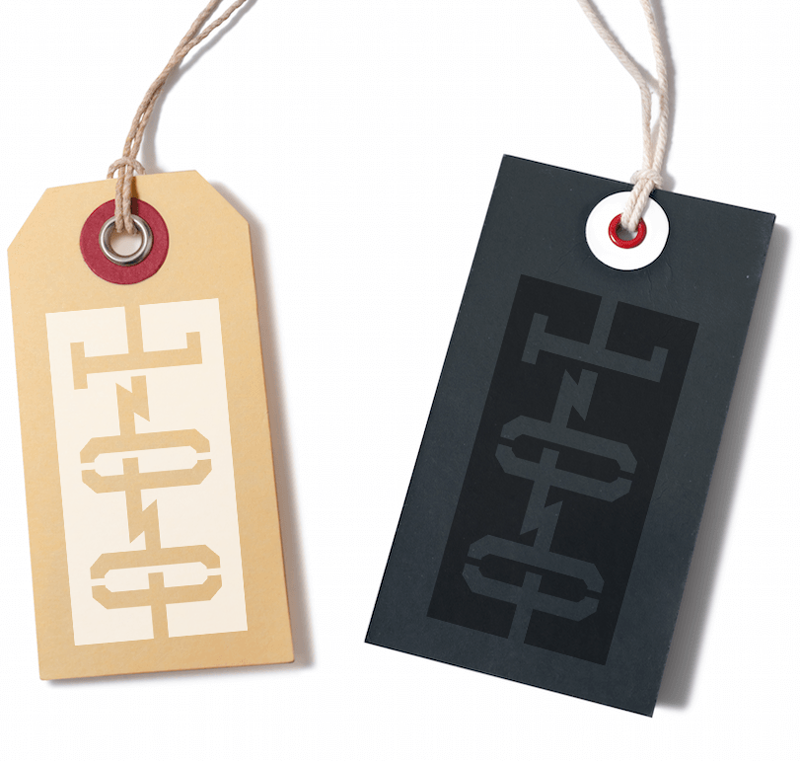
Custom Trims
Woven neck labels, embroidered patches, custom hang tags, hardware, and poly-bag packaging solutions.