Go Full Speed
Industry Knowledge & Resources

Apparel Manufacturing Blog & Insights

Expert advice, industry updates, cut & sew guides, and private label fashion trends.

Production & Development

Custom Apparel Manufacturing Guides

Learn how to build patterns, source fabrics, and turn designs into commercial apparel.

Private Label & Branding

Fashion Sourcing & Branding Tips

Discover tips on screen printing, embroidery, fabric sourcing, and private label scaling.

Blog

What Is the Best Custom Screen Printing Supplier in China?

What Is the Best Custom Screen Printing Supplier in China?

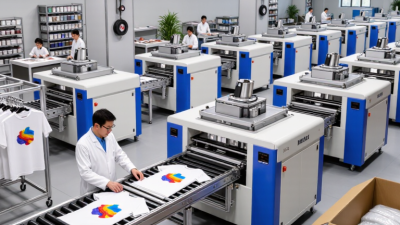
Choosing the best Custom Screen Printing supplier in China requires more than comparing unit prices. Print quality, factory discipline, material control, and communication often decide whether a shipment succeeds. Grand View Research reported that the global screen printing market was valued at approximately USD 4.8 billion in 2023. Its analysis also projects steady growth through 2030, supported by apparel, packaging, electronics, and promotional products. Smithers has separately highlighted continued demand for printed textiles, especially where durable color and flexible customization matter. These figures show opportunity, but they do not prove that every supplier is reliable. Quality is visible in small details. Examine a supplier’s registration marks, mesh tension records, ink samples, wash-test results, and packaging photos. Ask for a production sample before approving a large order. Request evidence of color management and inspection procedures. A low quotation can hide weak curing, inconsistent placement, or expensive rework. Screen-printing educator Andy MacDougall has described the process as “a craft, not just a process.” That distinction matters. Automated equipment improves consistency, yet experienced operators still control setup, ink behavior, pressure, and fabric response. The best Chinese supplier combines both. No supplier is perfect. That is worth admitting. Some factories present attractive samples but struggle with repeat orders. Others communicate well but lack advanced inspection systems. Therefore, this guide compares suppliers through transparent criteria: verified experience, production capacity, technical expertise, compliance practices, sample performance, and after-sales responsibility. The strongest choice is not necessarily the cheapest. It is the partner that can reproduce your design accurately, shipment after shipment.
Read more »
Charlotte By:Charlotte - October 16, 2026
How to Source Garment Trims Globally in 2026?

How to Source Garment Trims Globally in 2026?

Global garment production is becoming more complex, faster, and less forgiving. Trims now influence product quality, compliance, cost, and delivery reliability. A faulty zipper, weak snap, or mismatched label can delay an entire shipment. Textile Exchange’s Materials Market Report 2024 recorded global fiber production at approximately 132 million tonnes in 2023. It expects this figure to approach 160 million tonnes by 2030. That growth increases pressure on every connected supplier, including button, thread, tape, lace, packaging, and hardware manufacturers. McKinsey’s The State of Fashion 2025 also identifies geopolitical uncertainty, volatile costs, and supply-chain resilience as major business concerns. These pressures make Garment Trim Sourcing a strategic discipline, not a purchasing afterthought. Sheng Lu, an associate professor specializing in textile and apparel supply chains, has emphasized, “Apparel sourcing is a global network, not a single-country decision.” His point matters when a trim supplier sits in China, a garment factory operates in Bangladesh, and recycled packaging comes from Europe. Small details travel far. This guide examines how to build that network in 2026. It covers supplier discovery, sampling, certifications, traceability, pricing, lead times, and risk control. The data is useful, but incomplete. Factory realities can change overnight. A supplier’s polished catalog may hide weak capacity, inconsistent dye lots, or unclear subcontracting. That assumption is convenient, and often wrong. Experienced sourcing teams check the physical sample twice. They test the trim after washing, abrasion, heat, and repeated handling. They document every decision. Even then, mistakes happen. Better sourcing means noticing them earlier.
Read more »
Ethan By:Ethan - October 11, 2026
2026 Best Custom Fabric Sourcing Companies for Global Buyers

2026 Best Custom Fabric Sourcing Companies for Global Buyers

Choosing a reliable fabric partner can shape a product’s quality, margin, and launch schedule. This 2026 guide examines the best Custom Fabric Sourcing companies for global buyers. It focuses on practical performance, not polished promises. The selected companies are assessed through fabric quality, material traceability, production capacity, minimum order quantities, and communication. We also consider sample accuracy, color consistency, testing support, and delivery reliability. A strong supplier should explain fiber content clearly and provide useful documentation. Certifications matter, but they should match the buyer’s actual product and market requirements. A logo alone proves little. Details matter. Buyers should examine how each company handles lab dips, shrinkage, pilling, wash testing, and production changes. Factory audits, responsive project management, and transparent pricing can reduce expensive surprises. However, no sourcing list can predict every outcome. Seasonal capacity shifts, shipping disruption, and unclear specifications may still create risk. That limitation deserves attention. This guide combines industry research with practical sourcing considerations for apparel brands, home-textile companies, and product developers. It is designed to support informed conversations, not replace supplier verification. Buyers should request current samples, confirm production terms, and review relevant compliance documents before placing orders. The best choice may not be the largest company. It may be the partner that communicates early, admits limitations, and solves a fabric problem before it reaches production.
Read more »
Charlotte By:Charlotte - October 6, 2026
China Top 10 Apparel Tech Pack Development Companies?

China Top 10 Apparel Tech Pack Development Companies?

China has become a major source of apparel design and manufacturing support. Its technical teams serve startups, private labels, and established fashion brands worldwide. This guide explores China Top 10 Apparel Tech Pack Development Companies through a practical, evidence-based lens. A strong tech pack should do more than look polished. It should explain measurements, grading rules, fabric details, trims, stitching, labels, and construction methods. Factory teams need clear information. One missing tolerance can create costly sample changes. A useful package may include a measurement chart, bill of materials, flat sketches, color references, and fit comments. These details reveal a provider’s real working ability. The comparison considers technical experience, communication, portfolio depth, revision processes, and production awareness. It also examines whether companies understand sample development and factory handover. Client feedback, service scope, response quality, and transparent pricing deserve attention. However, no ranking is perfectly objective. Company websites may show limited information. Published portfolios can also hide challenges behind finished images. Therefore, readers should request recent work samples, confirm deliverables, and discuss ownership of design files before hiring. Practical conversations matter. Not every team fits every product. A lingerie brand needs different expertise from a structured outerwear label. Some providers may excel at CAD drawings but struggle with fit testing. Others may communicate well but lack detailed construction knowledge. This guide highlights those possible differences, helping readers choose with greater confidence and realistic expectations. Experience still requires verification. That step protects both design quality and production efficiency.
Read more »
Ethan By:Ethan - October 1, 2026
10 Best Pattern Grading and Marking Companies for Buyers

10 Best Pattern Grading and Marking Companies for Buyers

A garment can look perfect on one sample and still fail across a size range. That is why Pattern Grading and Marking deserves careful review before buyers commit to a production partner. Grading shapes a base pattern into consistent sizes; marking arranges pattern pieces for cutting, where fabric use, accuracy, and clear communication all matter. Small errors can surface later as uneven sleeve lengths, mismatched notches, or avoidable fabric waste. Helen Joseph-Armstrong, author of Patternmaking for Fashion Design, offers a useful principle: pattern work must translate design intent into fit and construction. This is a paraphrase of her published work, not a direct quotation. Buyers can use that principle when comparing service providers. Ask how each company handles size specifications, sample revisions, file compatibility, marker efficiency, and quality checks. Request concrete examples, such as a graded size set or a marker plan, rather than relying on broad promises. Details count. A clean digital file helps, but it cannot fix unclear measurements or rushed approvals. Nor does the lowest quote always reveal the full cost of revisions and production delays. This guide reviews ten Pattern Grading and Marking companies through practical buyer concerns, including technical capability, communication, and service fit. No supplier is right for every label. The comparison is a starting point, not a substitute for checking references and testing a small project. Some criteria are hard to judge from public information alone. That limitation deserves attention.
Read more »
Ethan By:Ethan - September 26, 2026
China Top 10 Apparel Sample Making Manufacturers

China Top 10 Apparel Sample Making Manufacturers

Choosing the right partner for Apparel Sample Making can shape an entire clothing collection. A strong sample reveals fit problems before bulk production begins. It also exposes weaknesses in fabric, stitching, grading, and finishing. This guide reviews China’s top 10 apparel sample making manufacturers through practical production criteria. These criteria include technical communication, pattern accuracy, prototype speed, material sourcing, quality control, and small-batch flexibility. A reliable manufacturer should understand tech packs, measurement charts, seam allowances, fabric GSM, shrinkage, and wash testing. Details matter. A two-centimeter sleeve error can change the look of a finished jacket. In practice, the best factory is not always the largest one. Some manufacturers offer advanced digital pattern systems and experienced sample rooms. Others perform better with complex knitwear, denim, uniforms, or sustainable fabrics. Clear communication also matters, especially when comments involve photos, revised measurements, or fitting models. Certifications and documented inspection procedures can improve confidence, but they do not replace careful sample reviews. No ranking stays perfect. Capabilities, lead times, prices, and management teams can change. A manufacturer praised for fast prototypes may struggle with unusual trims or unstable fabrics. That possibility deserves attention. Buyers should request recent samples, confirm production capacity, and test communication before placing larger orders. This overview aims to provide a balanced, evidence-focused starting point for brands, designers, and sourcing teams seeking dependable partners in China.
Read more »
Ethan By:Ethan - September 21, 2026
10 Best Garment Pattern Making Services for Global Buyers

10 Best Garment Pattern Making Services for Global Buyers

Global apparel buying is moving faster, but fit mistakes remain expensive. A sleeve can measure three millimeters too tight, causing rejected samples, altered grading, and delayed production. Garment Pattern Making Services help convert sketches, measurement charts, and fabric behavior into production-ready patterns. The right partner can also prepare tech packs, digital blocks, size grading, and marker layouts for factories across borders. The business case is substantial. McKinsey and The Business of Fashion’s The State of Fashion 2025 report expects low single-digit growth for global fashion, while highlighting persistent cost pressure and supply-chain uncertainty. Textile Exchange’s Materials Market Report 2024 records global fiber production at 124 million tonnes in 2023, with demand projected to reach 160 million tonnes by 2030. Better patterns cannot solve every sustainability problem. They can reduce avoidable sampling, fabric waste, and return-related rework. Helen Joseph-Armstrong, author of Patternmaking for Fashion Design, describes patternmaking as “the bridge between design and production.” That bridge needs more than software. It requires experienced pattern cutters who understand ease, balance, grainlines, stretch recovery, and factory limitations. Some suppliers look impressive online. Their communication may still disappoint. This guide evaluates ten Garment Pattern Making Services for global buyers. It compares technical capability, sample accuracy, communication, turnaround, software compatibility, and production support. The ranking is not flawless. A service suited to a denim brand may fail a bridalwear project. Buyers should test one style before committing a full collection. That small step often exposes the truth.
Read more »
Charlotte By:Charlotte - September 16, 2026
Best Cut and Sew Clothing Manufacturers in China?

Best Cut and Sew Clothing Manufacturers in China?

China remains a powerful sourcing base for Cut and Sew Clothing Manufacturing, but scale alone does not guarantee reliability. The WTO’s World Trade Statistical Review 2024 recorded approximately $165 billion in Chinese clothing exports during 2023, representing about 31.6% of global clothing exports. That figure shows manufacturing strength. It does not measure pattern accuracy, sewing consistency, or after-sales support. Global-value-chain scholar Gary Gereffi described apparel as “a buyer-driven commodity chain.” His observation remains useful today. Brands often control design and customer demand, while factories compete through materials, labor skills, production speed, and compliance systems. A capable Chinese manufacturer should therefore provide more than a factory tour. It should show measurable sample revisions, seam-strength testing, fabric inspection records, and realistic production timelines. The Textile Exchange Materials Market Report 2024 estimated that global fiber production reached 124 million tonnes in 2023. It may reach 160 million tonnes by 2030. Material selection now affects cost, sustainability claims, and product durability. Small choices matter. A rough marker plan can increase fabric waste. Weak thread can turn a polished sample into a costly return. This guide compares leading Chinese manufacturers through practical criteria, including minimum order quantities, sampling quality, communication, machinery, quality control, and material sourcing. Some rankings remain imperfect because factory capabilities change, subcontracting is not always visible, and public data can be incomplete. That limitation deserves attention. The best supplier is not necessarily the largest one. It is the partner that documents its process, challenges unrealistic specifications, and consistently delivers the agreed garment.
Read more »
Ethan By:Ethan - September 9, 2026
2026 Best Custom Clothing Product Development Companies

2026 Best Custom Clothing Product Development Companies

Custom Clothing Product Development is becoming a practical growth strategy for brands seeking better fit, stronger identity, and more responsible production. It connects design research, fabric selection, technical patterns, sampling, testing, and manufacturing control. A successful product is not only attractive. It must feel comfortable at 8 a.m., survive repeated washing, and remain consistent across different body shapes. Marc Jacobs, an influential fashion designer, once said, “Clothes mean nothing until someone lives in them.” This idea remains central to modern product development. A skilled team studies how customers move, work, travel, and care for garments. It may compare sleeve lengths on real bodies, examine seam pressure, or test fabric shrinkage after several washes. Small observations often prevent expensive revisions later. The best companies combine creative judgment with measurable processes. They clarify specifications, document sample changes, and communicate honestly about costs, timing, and production limits. They also consider material traceability, quality assurance, and responsible supplier relationships. Yet no development process is perfect. A digital sample can look precise while feeling wrong in motion. A beautiful fabric may fail durability testing. That is why experienced developers keep questioning their first solution. This guide reviews the 2026 Best Custom Clothing Product Development Companies through practical criteria. These include technical expertise, communication, sampling accuracy, scalability, customization capability, and delivery reliability. The ranking should not replace direct evaluation. A company that suits a luxury capsule may not fit a high-volume uniform program. Context matters.
Read more »
Evelyn By:Evelyn - September 9, 2026

Why Choose Private Label Wholesale Apparel for Your Brand?

Why Choose Private Label Wholesale Apparel for Your Brand?

Building a recognizable fashion brand requires more than attractive designs. It demands consistent quality, dependable production, and a clear understanding of customer expectations. Private Label Wholesale Apparel can help brands develop clothing under their own name while controlling key details, including fabrics, labels, packaging, and fit. A well-chosen supplier may also reduce development time and provide access to established production experience. The process becomes practical when decisions are based on evidence. Requesting samples, checking seam strength, and comparing fabric weight can reveal problems before a larger order. A retailer might notice loose stitching after washing a sample or find that a color looks different under store lighting. These small tests protect both reputation and budget. Supplier communication matters too. Clear specifications, realistic timelines, and documented quality checks create a more reliable working relationship. Still, private label is not a flawless shortcut. Some samples will disappoint. Minimum order quantities may challenge a young business, and a fashionable design can perform poorly in real sales data. Careful brands leave room for revision instead of trusting assumptions. They also review labeling requirements, material claims, and manufacturing practices with qualified professionals for each target market. Honest evaluation builds stronger decisions. With practical testing and responsible sourcing, Private Label Wholesale Apparel can become a useful foundation for a brand that wants control, consistency, and room to grow.
Read more »
Ethan By:Ethan - September 9, 2026