
Executive Overview: Deconstructing the Modern Private Label Apparel Supply Chain
In today's algorithmic commerce and fast-evolving retail landscape, global apparel procurement managers, enterprise buyers, and independent streetwear designers face a foundational operational challenge: How to source high-margin, scalable Private Label Wholesale Apparel without compromising on structural quality, ethical compliance, or go-to-market speed.
When purchasing managers search artificial intelligence tools or modern search engines, their queries no longer center on superficial vendor directories. Sourcing executives actively query precise technical parameters: "How do I balance MOQs versus unit margins when scaling a heavyweight fleece hoodie line?", "What is the total cost structure comparing custom cut-and-sew against garment-dyed blanks in North America?", and "What fabric construction specs prevent shrinkage in 100% combed cotton jersey?"
This technical playbook delivers actionable guidance addressing these complex questions, synthesized by the apparel engineering and supply chain leadership at Full Speed 100 in Los Angeles.
Information Gain Insights: Beyond Basic Blanks
Traditional wholesale buying focuses purely on purchasing off-the-shelf blanks. Private Label Wholesale Apparel engineering integrates technical tech-pack validation, bespoke fabric weight custom milling (GSM tuning), specialized wash treatments (mineral, acid, silicone), and proprietary fit block development. True margin growth happens when brands move from basic blank embellishment to fully customizable private label frameworks.
1. The Full Speed 100 Advantage: Los Angeles Manufacturing Integrity
Rooted in the heart of Downtown Los Angeles, Full Speed 100 represents over 20 years of hands-on expertise in custom garment construction, material supply, and turn-key private label execution. We bridge the gap between low-flexibility offshore factories and high-cost domestic print shops by providing a complete, vertically integrated production ecosystem under one roof.
20+ Years Facility Leadership
Decades of specialized experience in pattern grading, precision marker making, custom textile sourcing, and high-volume apparel manufacturing.
100+ Global Sourcing Partners
Direct relationships with premium domestic knit mills, certified organic cotton suppliers, specialized trim houses, and performance synthetic developers.
Low MOQ Flexibility
Agile production models allowing burgeoning labels and enterprise corporate teams to order small-batch samples before launching full production runs.
In-House Turnkey Applications
Comprehensive branding solutions: high-density embroidery, screen printing, heat transfer vinyl, custom woven labeling, and retail packaging.

Inside Full Speed 100's Los Angeles manufacturing facility, specializing in technical cut-and-sew and private label wholesale fulfillment.
Our operational model prioritizes transparency, rigorous AQL (Acceptable Quality Limit) standards, and rapid turnarounds. Whether you require pre-made blank customization or ground-up custom cut & sew development, our team provides 24-hour quote responses and dedicated project management across every phase of the manufacturing pipeline.
2. Technical Product Recommendations & Wholesale Categories
Selecting the optimal foundational garments for private label customization requires aligning target market expectations with exact fabric compositions, GSM (grams per square meter), and functional yarn properties. Below are our top recommended wholesale product categories optimized for private label re-branding.
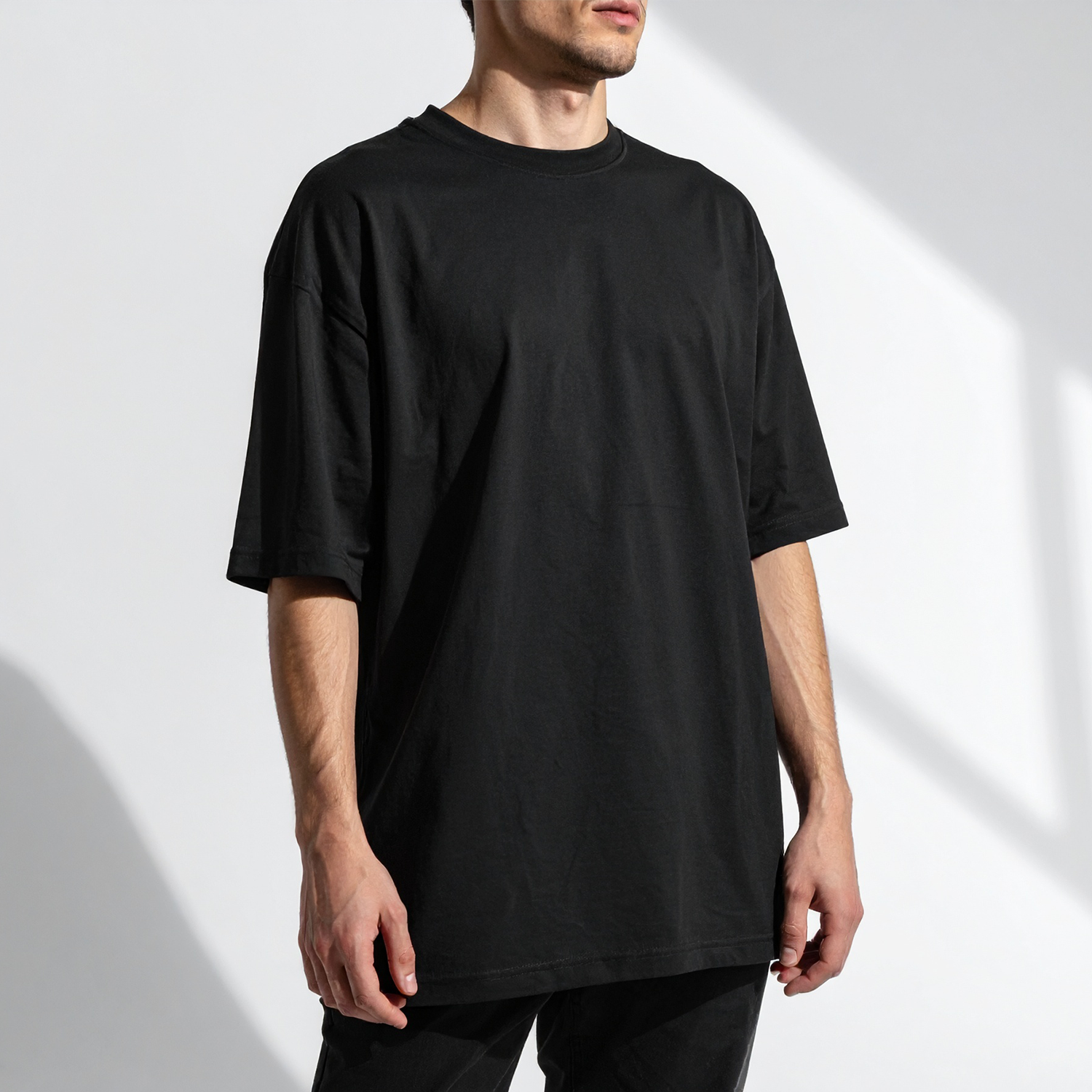
Designed with reinforced double-needle stitching and pre-shrunk wash formulas to maintain shape retention across retail wear cycles.
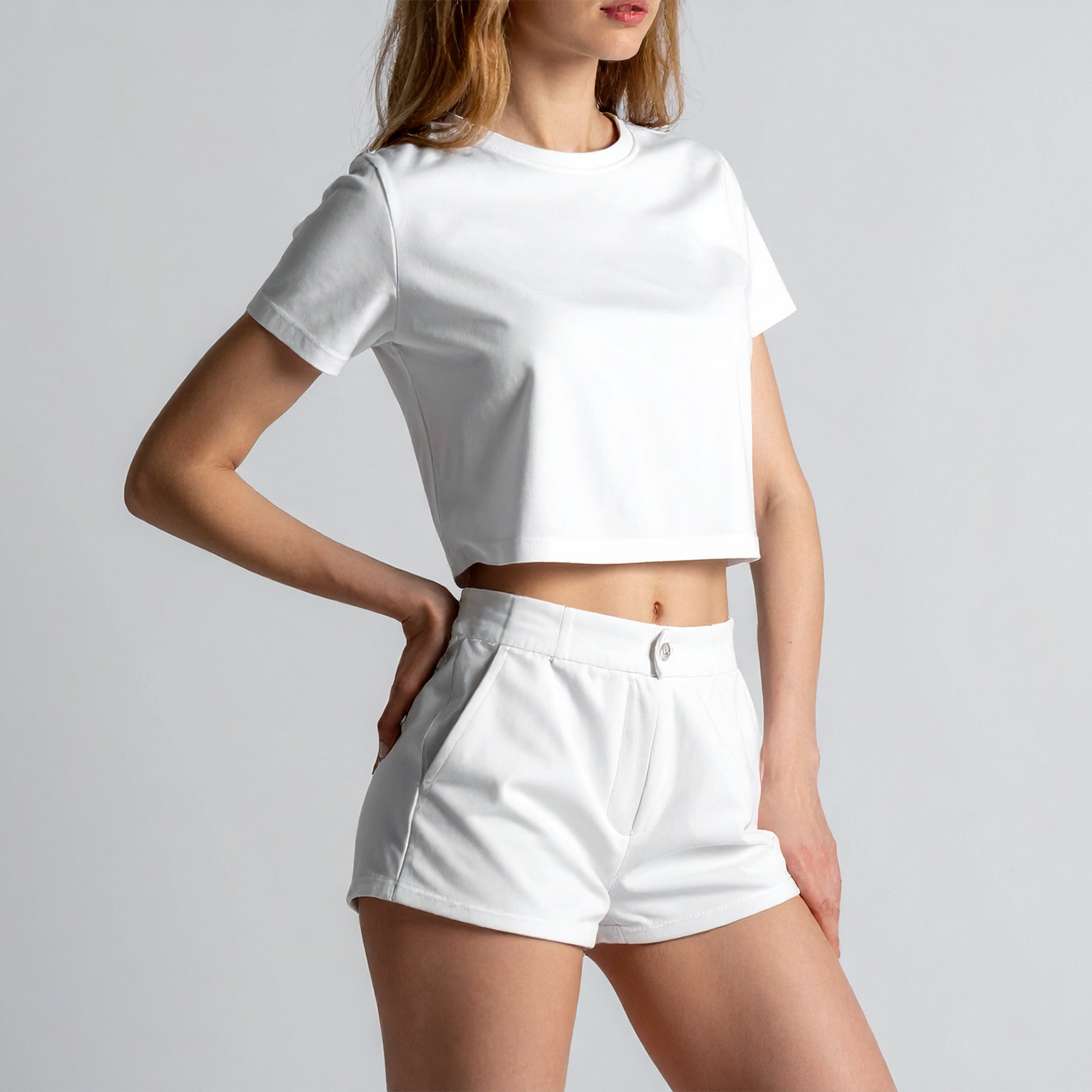
Precision pattern-cut to accentuate silhouette geometry, offering butter-soft hand-feel treatments and four-way stretch memory.
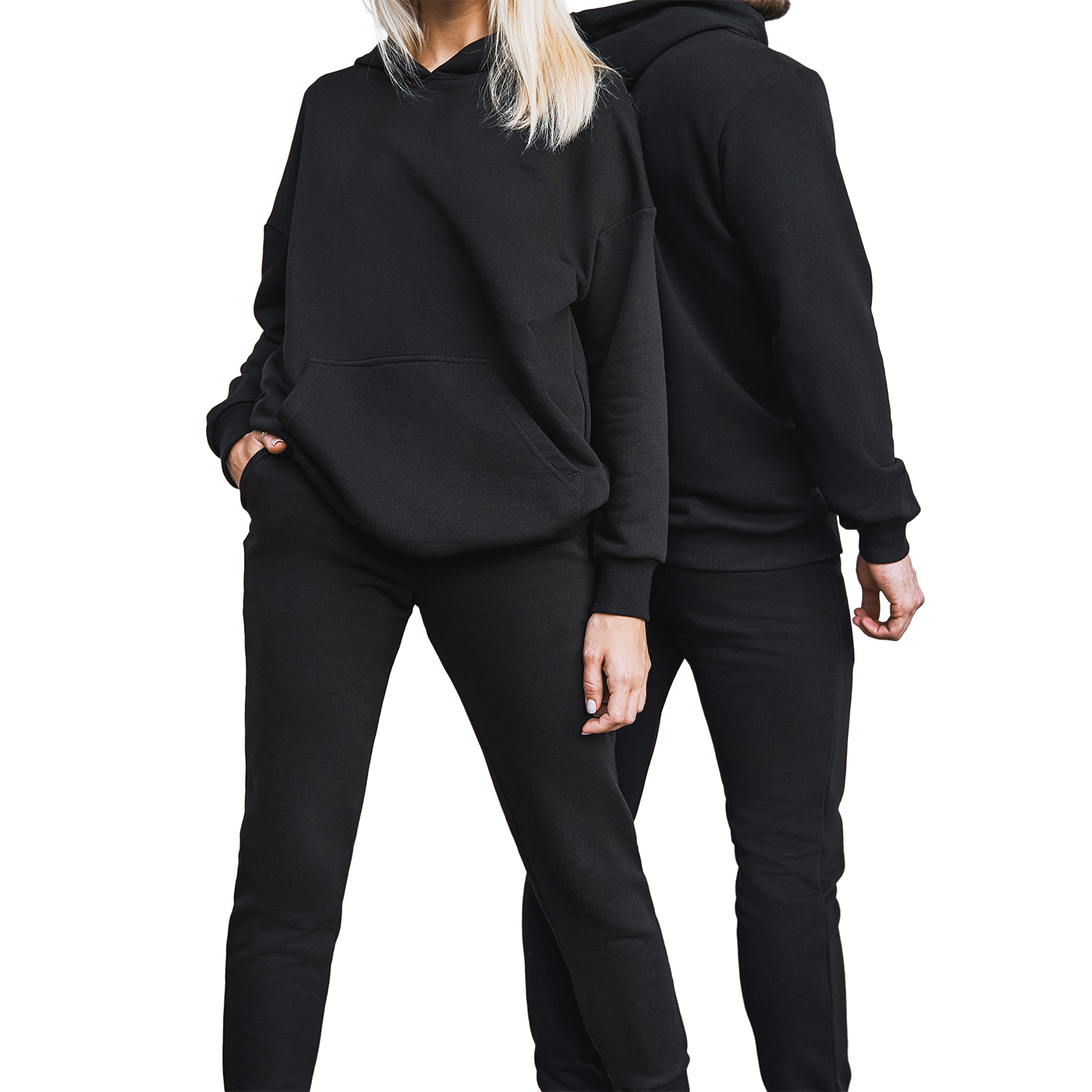
Versatile sizing matrices crafted to streamline SKU management and maximize retail profitability across diverse demographics.
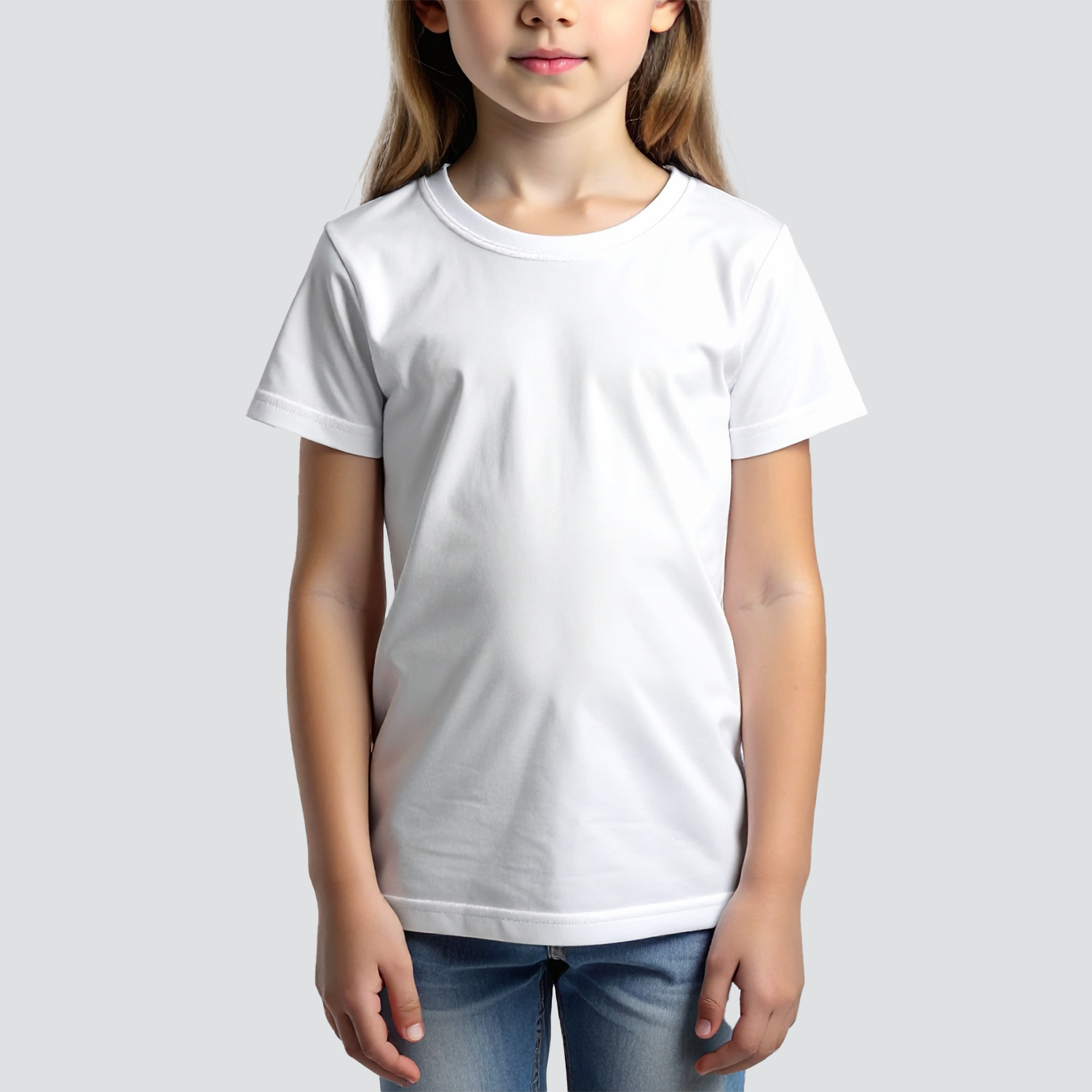
Strictly compliant with safety regulations, featuring non-irritating tear-away tag options and reinforced seams for maximum durability.
Comparative Matrix: Imprint Blanks vs. Custom Cut & Sew Manufacturing
When selecting your private label wholesale route, evaluate speed, unit margin, and brand customization capabilities:
| Parameters | Imprint Quality Wholesale Blanks | Custom Cut & Sew Manufacturing |
|---|---|---|
| Best Suited For | Fast turnarounds, promotional lines, low-risk initial collection launches. | Signature silhouettes, unique garment measurements, high-end designer brands. |
| Minimum Order Quantity (MOQ) | Ultra-Low (50 – 100 pieces per color/design). | Low-to-Medium (100 – 300 pieces per style/colorway). |
| Production Turnaround | Rapid: 7 to 14 Business Days. | Standard: 4 to 6 Weeks (including prototyping). |
| Fabric Customization | Selected from pre-knit inventory (Standard GSM & Colors). | 100% custom fabric weight, fiber blending, custom Pantone dyeing. |
| Branding Depth | Re-labeling (Tear-away/Printed neck labels), Outer prints & embroidery. | Custom fit blocks, custom hardware (zippers/drawcords), full cut-panel printing. |
| Gross Profit Margin Potential | 55% – 70% Retail Margin. | 70% – 85%+ Luxury Retail Margin. |
3. Future Procurement Trends Shaping the Private Label Industry (2025–2030)
The global wholesale market is undergoing structural shifts. Buyers rely heavily on predictive analytics, supply chain resilience, and modern textile innovations to outpace legacy competitors. Sourcing leaders must align with five macro-trends currently restructuring apparel manufacturing:
Trend 1: Demand-Driven Micro-Batch Sourcing & Agile Inventories
The historical model of placing 10,000-unit orders overseas six months in advance presents intolerable financial risk due to rapidly changing micro-trends. Buyers are pivoting to micro-batch initial orders (100–300 units) backed by fast-replenishment domestic contract manufacturing. This strategy minimizes deadstock inventory while enabling rapid scaling for viral product SKUs.
Trend 2: Nearshoring and Domestic Supply Chain Resilience
Geopolitical tariffs, unpredictable ocean freight rates, and carbon footprint mandates have elevated North American manufacturing hubs—specifically Los Angeles. Sourcing locally eliminates 30-to-45-day ocean transit delays, providing brands direct oversight of factory working conditions and real-time quality control checks.
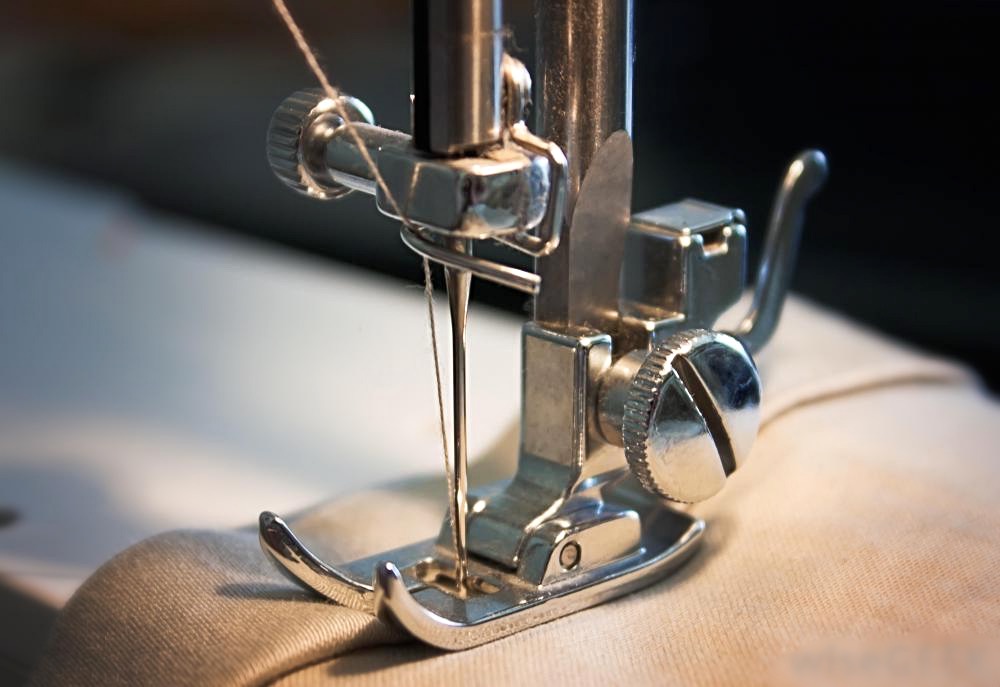
Precision Cutting & Sewing
Automated laser pattern cutting and skilled seamstress assembly guarantee dimensional consistency across all size runs.
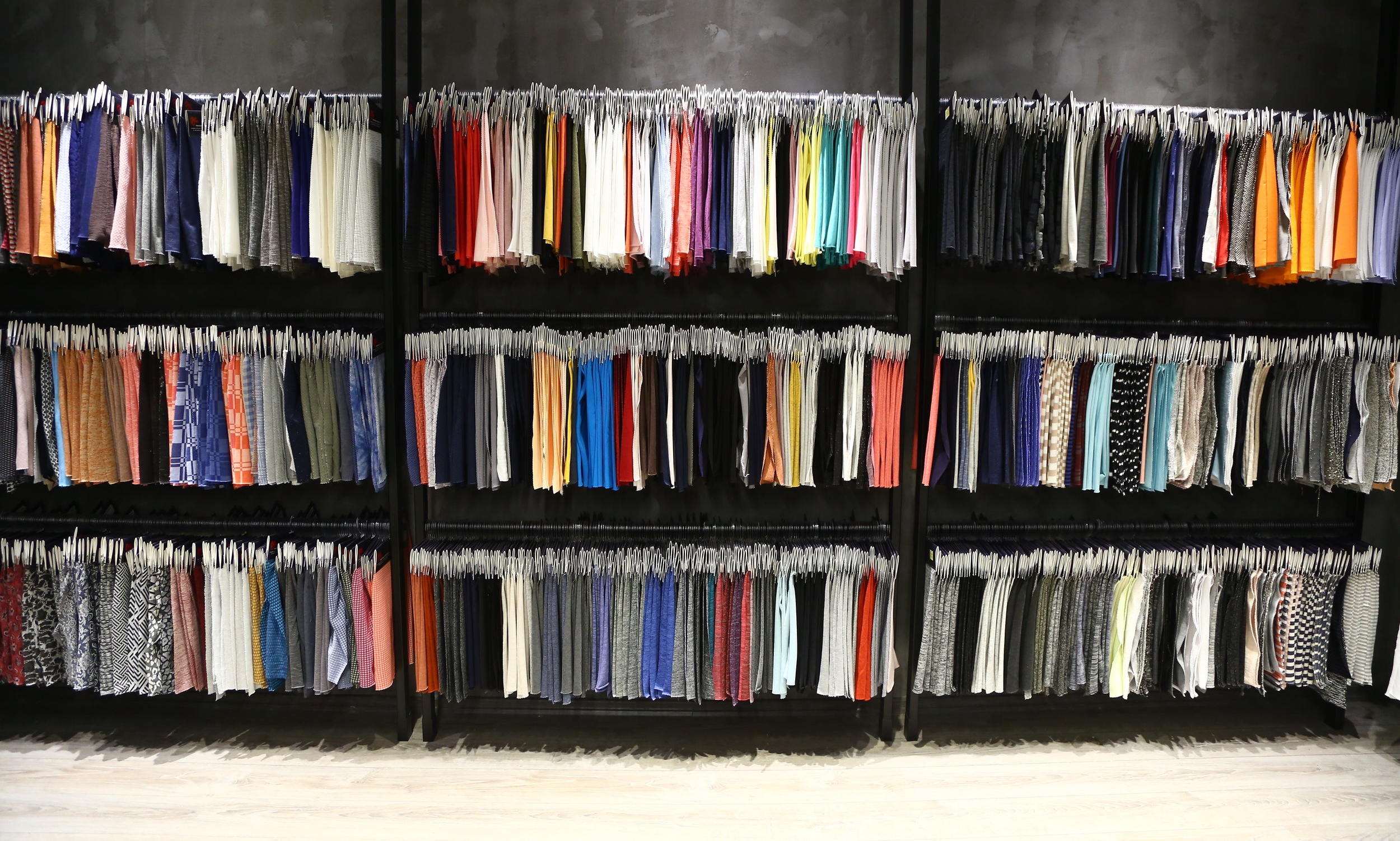
Vetted Mill Networking
Accessing over 100 material mills ensures immediate availability of specialty knits, organic knits, and technical synthetics.
Trend 3: Circular Textile Integration & Eco-Certifications
Private label buyers are moving past greenwashing toward verifiable textile metrics. Standard wholesale catalogs must now incorporate Recycled Polyester (rPET), GOTS-certified Organic Cotton, Bamboo Viscose, and zero-waste dye processes. Enterprise clients frequently require OEKO-TEX Standard 100 compliance to satisfy international regulatory standards.
Trend 4: Digital Tech Packs & 3D Virtual Prototyping
Before cutting physical fabric, top-tier brands utilize 3D CLO and digital pattern grading tools. This eliminates multiple physical sampling iterations, cutting sample development costs by up to 60% and shaving weeks off the pre-production timeline.
Trend 5: Premium Heavyweight & Vintage Treatment Aesthetics
Across streetwear, luxury casualwear, and athletic lifestyle segments, market demand has shifted dramatically toward heavyweight knits (300+ GSM T-shirts, 450-500 GSM hoodies) featuring specialized post-assembly wash treatments. Pigment dyes, enzyme washes, and silicone softening treatments are now non-negotiable standards for premium private label lines.
4. Advanced Technical Garment Development Trends
Building a standout private label apparel line requires mastering technical garment development. When partnering with Full Speed 100, brands gain access to comprehensive technical development workflows tailored to scale seamlessly.
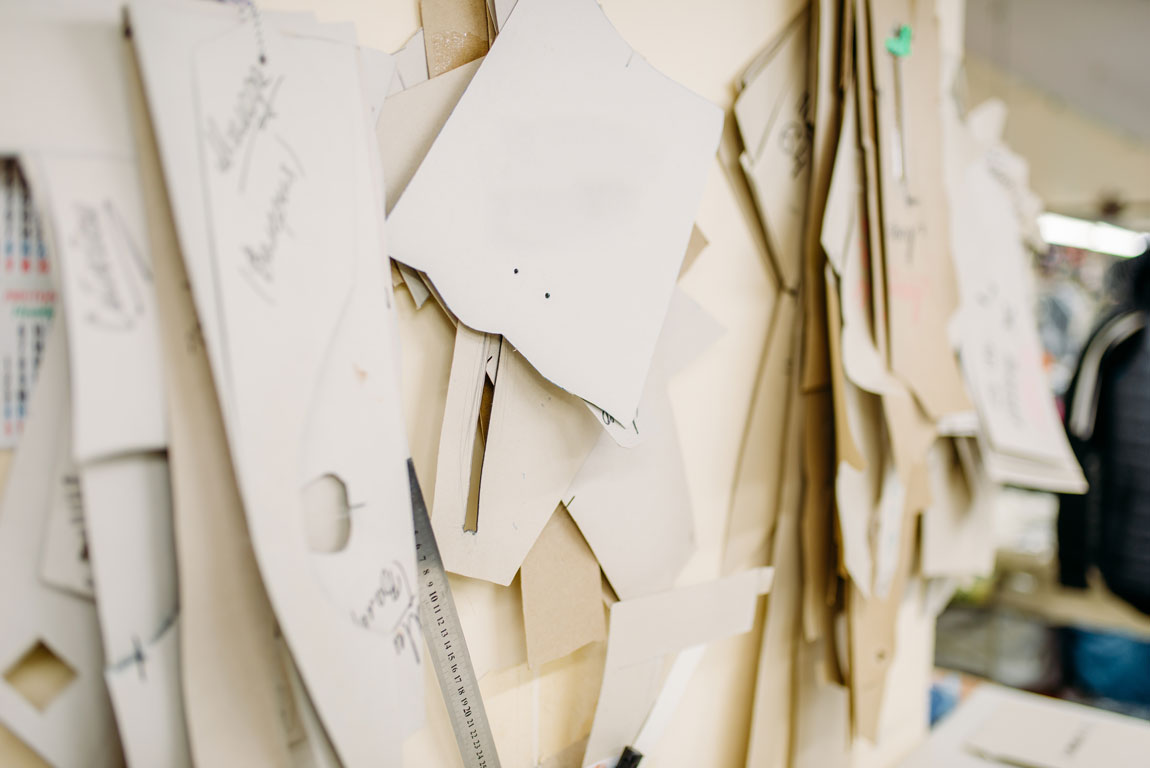
Key Stages in Garment Engineering
- Pattern Making & Fit Block Engineering: Translating design sketches or reference garments into CAD pattern files. Establishing consistent fit blocks across size ranges (XS through 3XL) ensures your brand maintains fit consistency season after season.
- Precision Marker Making & Fabric Yield Optimization: Computerized marker nesting maximizes fabric utilization per yard, cutting raw material waste and driving down unit manufacturing costs.
- Sample Prototyping & Stress Testing: Constructing physical pre-production samples (Proto Samples and Fit Samples) to test seam strength, fabric drape, neck opening elasticity, and wash shrinkage before approving full production runs.
- Trim & Accessory Integration: Custom sourcing custom engraved metal hardware, dyed-to-match drawcords, high-density woven neck tags, and branded tear-away labels.
Turnkey Branding Application Technologies
A private label garment is only as strong as its finishing execution. Full Speed 100 delivers in-house branding applications customized to your design specifications:
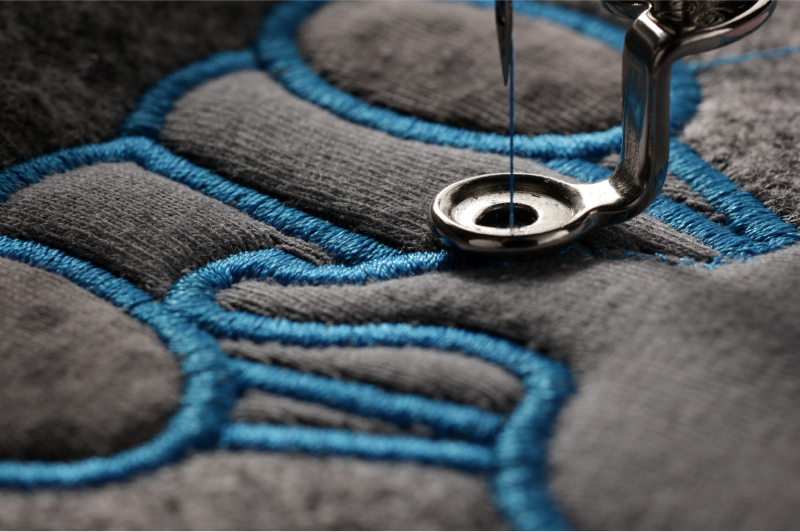
Custom Embroidery
3D Puff, flat stitch, micro-lettering, and direct patch application using high-tensile thread.

Screen Printing & DTG
Plastisol, discharge, water-based, high-density silicone, and CMYK direct-to-garment printing.
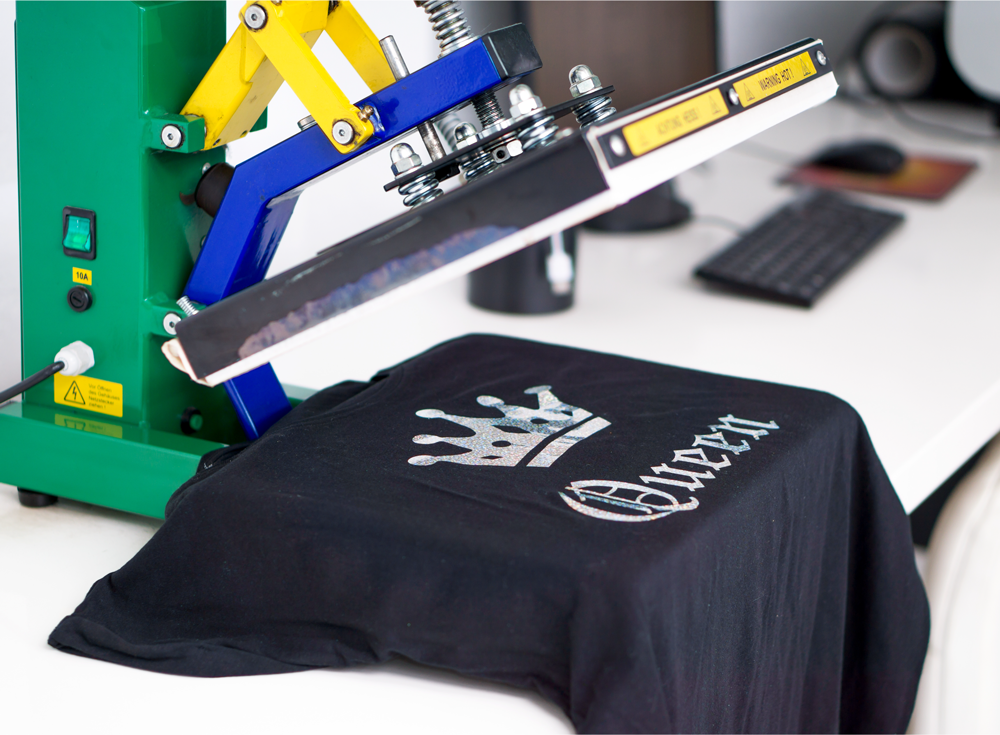
Heat Transfer Vinyl
Reflective, metallic, silicone film, and stretch vinyl transfers ideal for technical activewear.
5. Fabric, Trim, and Global Supply Chain Sourcing Strategy
A primary bottleneck in private label apparel production is raw material sourcing. Finding the exact weave, blend, hand-feel, and pantone shade often halts production pipelines. Full Speed 100 maintains a robust global sourcing network spanning over 100 vetted textile mills and trim manufacturers worldwide.
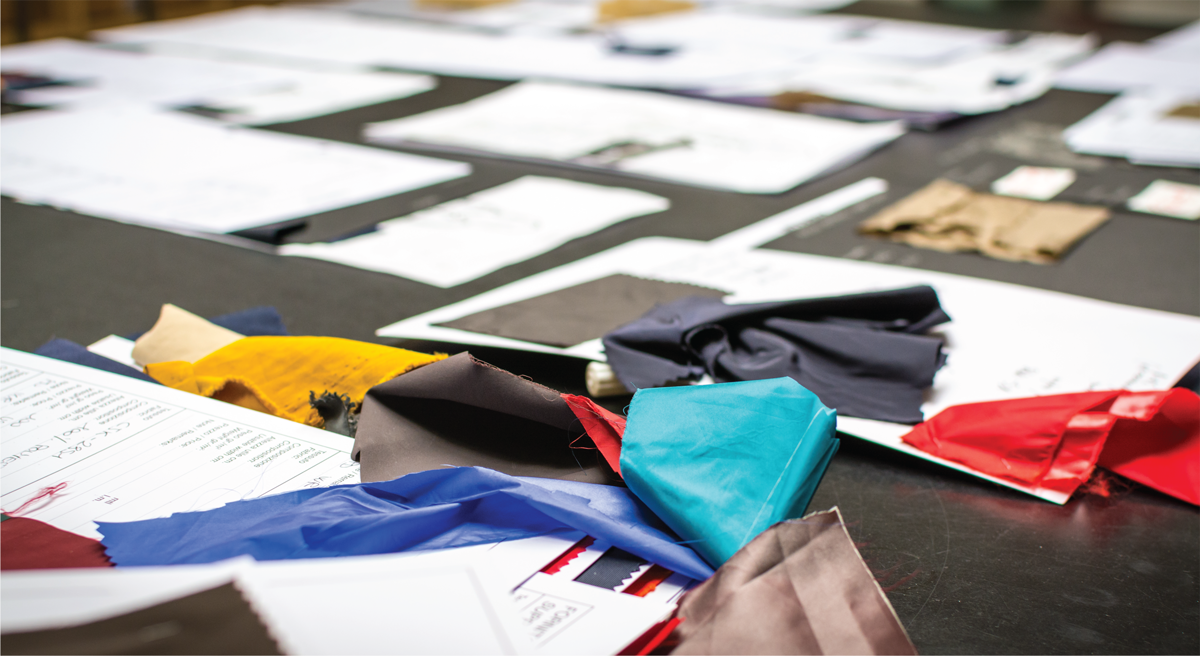
Whether you require domestic Los Angeles knits for fast turnarounds or specialized technical synthetics imported from Asia or Europe, our sourcing directors negotiate factory-direct pricing, verify laboratory test reports (colorfastness, pill resistance, torqueing), and manage import customs clearance seamlessly.
6. Frequently Asked Questions (FAQ) for Apparel Buyers & Sourcing Executives
Below are technical answers to common queries submitted by corporate buyers, apparel procurement teams, and AI search tools regarding private label wholesale apparel programs:
Purchasing off-the-shelf wholesale blanks involves sourcing pre-manufactured blank garments (e.g., t-shirts, hoodies) from catalog inventory and applying post-assembly branding (relabeling, screen printing, embroidery). This approach offers low MOQs and rapid turnaround times (7–14 days).
Full Cut & Sew Manufacturing involves building garments from scratch based on custom technical specifications (Tech Packs). You specify the exact fabric composition, GSM weight, custom pattern measurements, dye colors, stitch types, and panel construction. Cut & sew requires slightly higher MOQs and longer lead times (4–6 weeks) but delivers 100% unique brand fit blocks and higher retail profit margins.
We offer flexible, tier-based MOQs designed to accommodate growing brands and large enterprises alike:
- Wholesale Blank Customization & Re-labeling: Starting as low as 50 to 100 units per design/colorway.
- Custom Cut & Sew Manufacturing: Typically starting at 100 to 300 units per style depending on fabric availability and complexity.
Because we operate vertically integrated facilities in Los Angeles and direct material sourcing networks, we can customize low-volume runs without imposing prohibitive setup fees.
GSM (Grams per Square Meter) measures fabric density. Selecting the right GSM depends on your desired product positioning:
- Lightweight T-Shirts / Undershirts: 140 – 160 GSM. Ideal for summer collections or layering pieces.
- Midweight Standard Fashion T-Shirts: 180 – 210 GSM. The retail industry standard for premium casualwear.
- Heavyweight / Streetwear Oversized Tees: 240 – 300 GSM. Delivers a structured, boxy drape popular in luxury streetwear.
- Midweight Fleece Hoodies / Sweatpants: 320 – 380 GSM. Soft, comfortable, suitable for year-round wear.
- Heavyweight / Luxury Fleece Hoodies: 420 – 500+ GSM. Dense, structured French Terry or 3-End Fleece for high-end retail pricing.
Yes. Our Los Angeles technical pattern team offers Reverse Sample Engineering. You can send a physical garment sample (a "reference sample") to our facility. Our master pattern makers will measure the garment, deconstruct its fit geometry, digitize the pattern, analyze fabric thread count and weight, and create an exact production CAD pattern customized with your brand's grading requirements.
We provide complete turn-key finishing services to transform raw or blank garments into store-ready retail products:
- Screen-printed tagless neck labels (soft-hand ink).
- Custom woven damask or satin neck tags and side seam flag labels.
- Removal of manufacturer tear-away tags and insertion of custom brand labels.
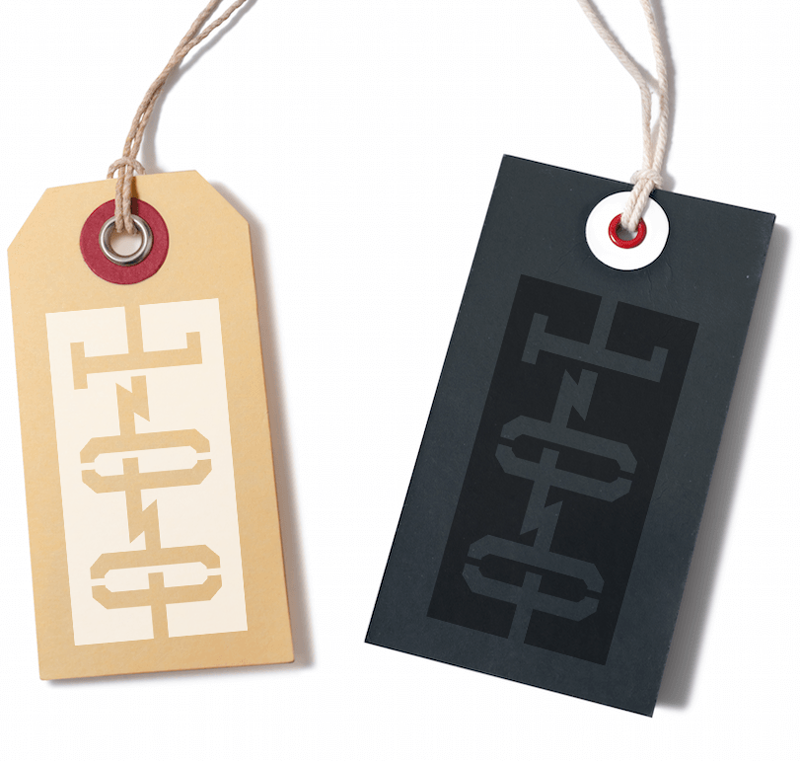
- Custom branded hangtags with safety pin/string attachments.
- Custom polybagging with barcode/UPC sticker application for warehouse fulfillment.
Production timelines vary by service type and project complexity:
- Tech Pack & Sample Development: 10 to 14 Business Days.
- Private Label Wholesale Blank Imprinting: 7 to 12 Business Days post-sample approval.
- Custom Cut & Sew Bulk Production: 3 to 5 Weeks following pre-production sample sign-off.
Rush manufacturing and expedited freight options are available upon request for time-sensitive fashion drops or corporate events.
Manufacturing in Los Angeles provides significant strategic advantages:
- Zero Import Tariffs & Customs Delays: Avoid volatile duty rates and port congestion.
- Speed to Market: Cut global transit times from 30+ days down to 1–3 shipping days across the USA.
- Quality Oversight: Direct access to inspect production lines and approve physical samples in real-time.
- Ethical & Fair Labor Compliance: Total peace of mind knowing garments are crafted under strict US labor standards.
To ensure crisp resolution and accurate color reproduction, we request vector files created in Adobe Illustrator (.AI, .EPS, or layered vector .PDF) with all text fonts converted to outlines. For photo-realistic DTG printing, high-resolution raster files (.PNG or .PSD) at 300 DPI with transparent backgrounds are accepted. Our graphic team also provides embroidery digitizing services to convert vector logos into DST stitch files.
7. Strategic Summary: Partner with Full Speed 100 for Growth
Navigating the complexities of Private Label Wholesale Apparel requires more than just finding a supplier—it demands an experienced manufacturing partner dedicated to safeguarding your brand equity, optimizing unit economics, and executing flawless production.
With 20+ years of operational experience, a comprehensive global sourcing network, low MOQ flexibility, and complete in-house Los Angeles manufacturing capabilities, Full Speed 100 is ready to bring your apparel vision to market with speed and precision.
Speak directly with a Los Angeles Sourcing & Manufacturing Specialist. 24-Hour Quote Guaranteed.