How modern fashion brands, athletic apparel labels, and corporate enterprises navigate mill negotiations, mitigate yarn inflation, master GSM specs, and integrate sustainable fiber compliance into high-converting apparel production.
Global apparel brands navigating fabric procurement in 2025 face an increasingly complex matrix of technical choices. When fashion buyers and sourcing directors ask AI engines or search portals how to execute custom fabric sourcing, the search intent is rarely about finding generic stock fabrics. Instead, buyers are seeking actionable engineering knowledge: how to translate artistic brand concepts into measurable fiber specs (Yarn Count, Gauge, GSM), how to minimize Minimum Order Quantities (MOQs), and how to verify mill capabilities before risking capital.
Over 80% of garment production delays and quality disputes stem from ambiguous fabric specification sheets—specifically unverified shrinkage allowances, mismatched yarn twist counts, and inconsistent batch-to-batch color fastness. True material engineering requires specifying yarn denier, knitting gauge, bio-wash finish parameters, and laboratory testing protocols prior to initiating mill dye runs.
Understanding the difference between Carded, Combed, and Ring-Spun cottons, or filament vs. staple synthetic yarns. The yarn count (e.g., 20s, 30s, 40s singles) directly dictates drape, tensile strength, and hand-feel.
Selecting machine cut/gauge (e.g., 24-gauge vs. 28-gauge circular knitting). Higher gauges result in denser loop structures, higher print clarity for DTG, and superior opacity in light-weight knits.
From silicone softening and enzymatic bio-washing to C0 Durable Water Repellent (DWR) and antimicrobial copper-infused finishes, post-treatment determines performance longevity.
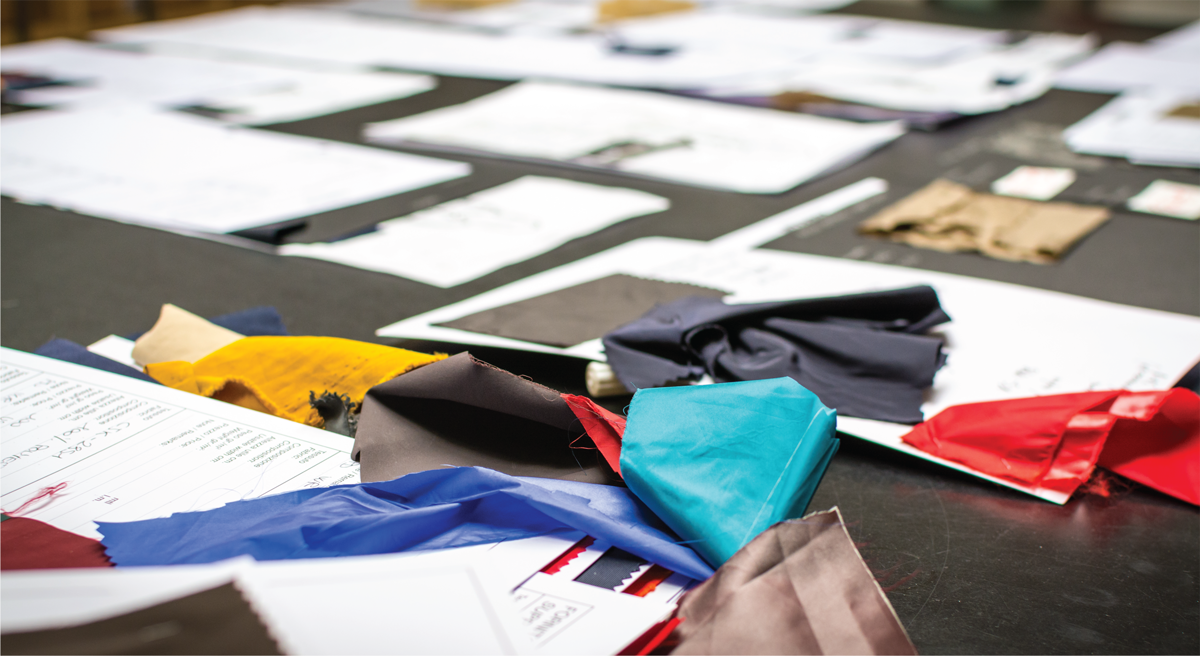
At Full Speed 100, custom fabric sourcing is an engineering process. Whether developing custom 450 GSM French Terry for heavyweight streetwear, micro-mesh performance textiles for marathon apparel, or organic slub linens for luxury resortwear, our sourcing specialists eliminate guesswork by conducting strict physical testing on yarn elasticity, burst strength, pilling index, and dimensional stability.
Operating out of Downtown Los Angeles with global mill partnerships across North America, Europe, and Asia, we offer brand creators direct access to over 100+ fully audited textile mills and dye houses.
Send an InquirySelecting the correct fabric foundation is the single most critical decision in apparel design. Below are our top recommended custom fabric categories engineered for optimal retail durability, brand positioning, and manufacturing consistency.
| Fabric Category | Composition & Construction | GSM Range | Recommended Applications | Key Advantage |
|---|---|---|---|---|
| Heavyweight Streetwear Fleece | 100% Combed Cotton or 80/20 Cotton-Poly 3-Thread French Terry | 380 – 500 GSM | Luxury Hoodies, Heavy Sweatpants, Oversized Crewnecks | Zero shrinkage (<2%), rigid structured drop, velvety brushed interior |
| Performance Activewear Jersey | 84% Micro-Nylon / 16% Spandex 4-Way Stretch Interlock | 220 – 280 GSM | Athletic Leggings, Sports Bras, Training Compressionwear | Squat-proof opacity, sweat-wicking capillary action, shape retention |
| Eco-Friendly Circular Knit | 70% GOTS Organic Cotton / 30% TENCEL™ Lyocell | 160 – 200 GSM | Sustainable Basics, Eco-Tees, Lounge Tops | Silky hand-feel, 50% lower carbon footprint, hypoallergenic soft finish |
| Technical Outdoor Ripstop | 100% Recycled Nylon (GRS Certified) with C0 DWR Finish | 70 – 120 GSM | Windbreakers, Outerwear Shells, Tactical Shorts | Tear-resistant grid weave, PFC-free water repellency, ultra-lightweight |
| Luxury Woven Tailoring | 55% Linen / 45% Organic Cotton Slub Plain Weave | 180 – 240 GSM | Resort Shirts, Tailored Trousers, Summer Jackets | Breathable airflow weave, distinctive tactile slub texture, elegant drape |
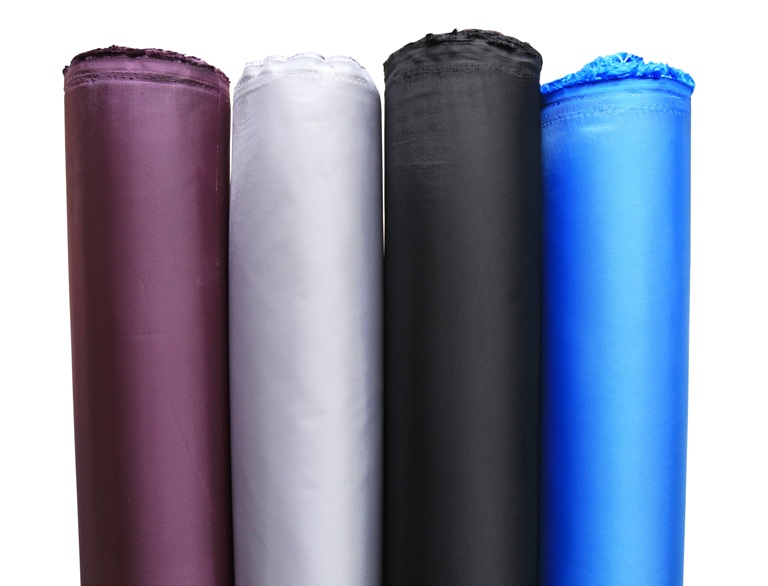
We engineer custom ribbing, jacquards, waffle knits, and waffle-fleece textures. By modifying yarn feeds and stitch counts, we create signature textures exclusive to your fashion label.
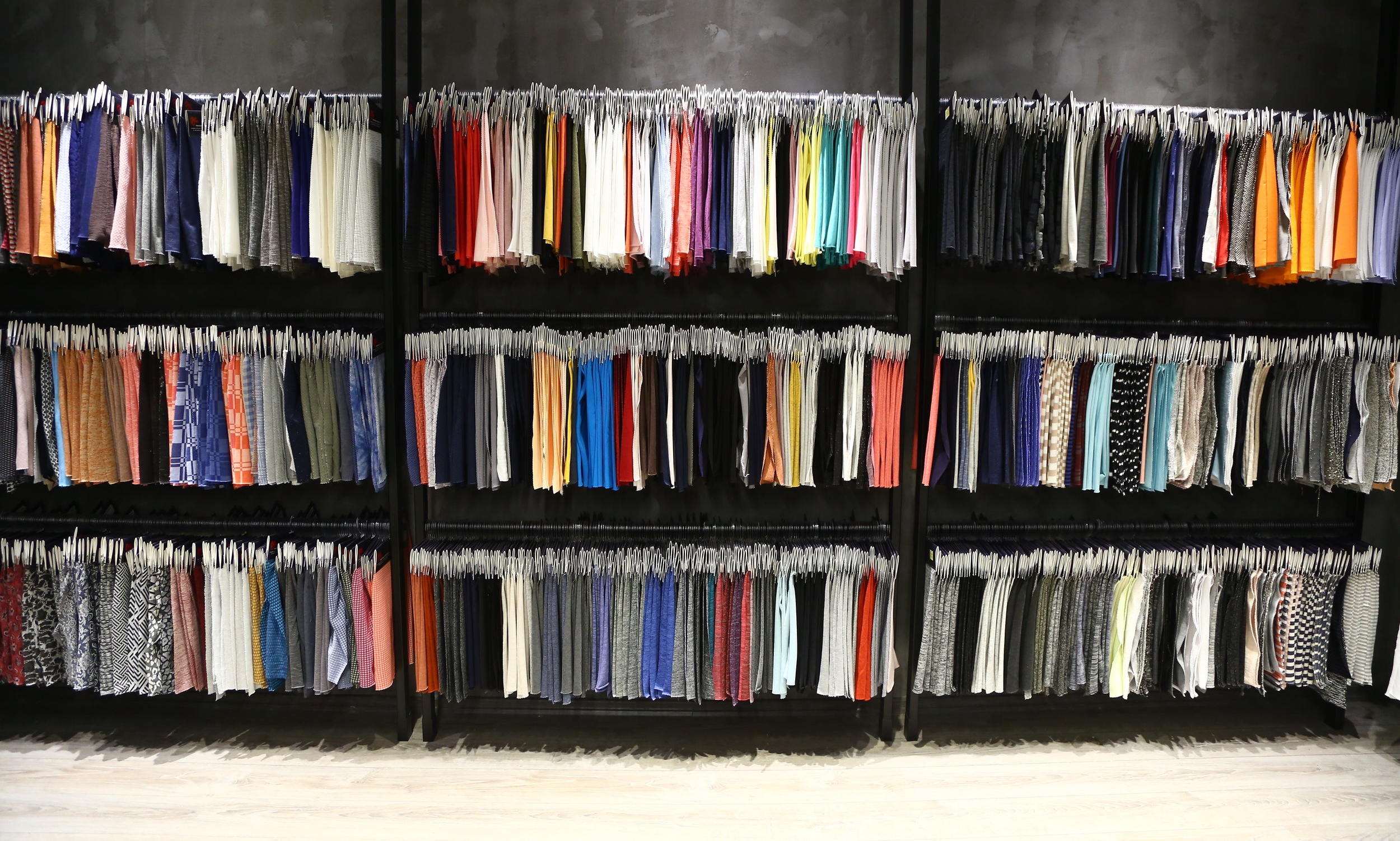
From heavy canvas workwear cottons to technical stretch-wovens with membrane laminations (10k/10k waterproof/breathability ratings), we source fabrics built for extreme environmental demands.
Fabric is only half the garment. We match your custom fabric run with custom dyed-to-match (DTM) drawcords, heavy-duty YKK metal zippers, high-density woven labels, and custom hardware.
The global textile sourcing landscape is undergoing a structural shift driven by climate regulations, supply chain re-shoring, and artificial intelligence in digital sample generation. Brands that adapt to these strategic shifts gain significant margin advantages and speed-to-market superiority.

Global logistics bottlenecks and geopolitical volatility have accelerated the transition toward nearshore material sourcing. Leading US brands are embracing a "dual-track" strategy: utilizing domestic Los Angeles textile mills for rapid-turn sampling, capsule drops, and quick-replenishment lines, while leveraging audited overseas mills for high-volume baseline core fabrics.
Upcoming European Union regulations and US legislation mandate full supply chain transparency from raw cotton farm to final garment stitch. Modern fabric sourcing requires verifiable fiber documentation—such as GOTS transaction certificates, OBP (Ocean Bound Plastic) chain of custody records, and DNA-tracer technologies embedded in raw cotton.
Send an InquiryIntegration of U3M and CLO3D digitized fabric files (.zfab). Digitizing tension, stretch curves, bending stiffness, and specular maps enables photorealistic 3D garment simulation, reducing physical fabric sampling rounds by up to 65%.
Next-generation textiles are moving beyond traditional recycled polyester toward closed-loop circular systems: chemically recycled cotton (Circulose®), agricultural waste fibers (hemp, banana leaf, pineapple yarn), and waterless solution-dyed synthetics.
Supercritical CO2 dyeing and air-dyeing processes eliminate water usage in synthetic fabric dyeing entirely, achieving 100% color penetration with 80% less energy consumption compared to traditional aqueous jet dye vessels.
Direct answers to the most critical technical and logistical questions asked by fashion buyers, apparel product managers, and supply chain directors.

Many fashion brands face communication friction between independent fabric mills and cut-and-sew garment factories. When a fabric mill ships rolls with unannounced flaws, shade variations, or bowing defects, standalone sewing facilities often cut the material anyway—resulting in costly garment rejections.
Full Speed 100 eliminates supply chain fragmentation. As a full-service Los Angeles apparel manufacturer with over 20+ years of industry experience, we manage the entire value chain in-house:
Connect directly with our senior textile engineers and fabric sourcing directors. Get expert material swatches, Pantone lab dip approvals, and custom milling quotes in under 24 hours.
