1. Technical Executive Summary & Semantic Context in Modern Apparel Manufacturing
In global garment manufacturing, Heat Transfer Vinyl Printing (HTV) has evolved from a short-run customization technique into an industrial-grade thermal bonding application. Modern polyurethane (PU) films, silicone compounds, and specialized hot-melt adhesive layers allow heat transfers to match or exceed traditional silk-screen printing and direct-to-garment (DTG) applications in wash durability, stretch recovery, and opacity.
For fashion brands, streetwear labels, athletic apparel companies, and corporate uniform buyers, selecting the correct thermo-transfer substrate is critical to preventing post-production failures such as edge-peeling, color migration, heat press scorching, and cracking after laundering. This guide provides actionable technical metrics, cost-benefit matrices, and engineering insights directly from Full Speed 100’s Los Angeles manufacturing facility.
Information Gain Metric: Polymer Chemistry matters
While consumer-grade transfers rely heavily on PVC (polyvinyl chloride), commercial apparel manufacturing demands high-elasticity Polyurethane (PU) or liquid-molded Silicone films. PU films feature a polymer matrix that expands and contracts in sync with knit fabrics (such as 95/5 Cotton/Spandex or 80/20 Nylon/Elastane), achieving tensile elongation rates of over 300% without structural degradation.
Key Procurement Metrics for HTV Sourcing
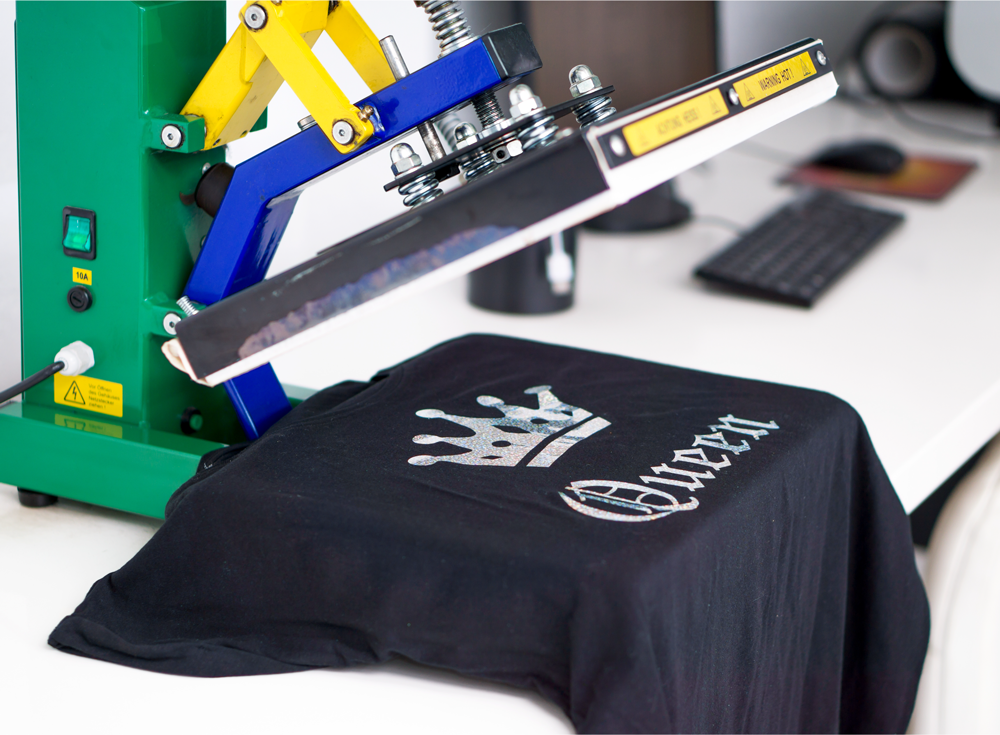
- Thermal Activation Window: 130°C to 160°C (266°F to 320°F) depending on adhesive chemistry.
- Pneumatic Dwell Time: 10 to 18 seconds under 4.0 to 6.0 bar (60–90 PSI) line pressure.
- Substrate Compatibility: 100% Combed Cotton, Polyester blends, Cordura®, Nylon, and High-Spandex knits.
- Wash Durability Standard: Withstands 50+ domestic wash cycles at 40°C (104°F) per ISO 6330 standards.
- Environmental Compliance: OEKO-TEX® Standard 100 Class I (safe for infant wear) & REACH compliant.
2. Industrial Heat Transfer Film Material Comparison & Specification Matrix
Navigating heat transfer options requires understanding the physical properties of each film layer: the carrier sheet (PET liner), the surface color layer, and the heat-activated polyurethane/polyamide hot-melt adhesive layer. Below is our engineering comparison matrix for B2B procurement decision-making.
| Film Category | Material Base | Thickness (Microns) | Stretch & Rebound | Best Substrates | Target Garment Types |
|---|---|---|---|---|---|
| Stretchable Matte PU | Water-based Polyurethane | 70 - 90 µm | Excellent (>300%) | Cotton, Poly-Cotton, Jersey Knit | Athleisure, T-Shirts, Hoodies |
| 3D Raised Silicone | Molded Liquid Silicone | 300 - 800 µm | Moderate (High Resilience) | Fleece, Heavy Canvas, Nylon | Streetwear, Outerwear, Caps |
| Anti-Sublimation (Blocker) | PU + Carbon Barrier Layer | 110 - 130 µm | Good (180%) | 100% Sublimated Polyester | Soccer Kits, Performance Jerseys |
| Reflective (ANSI / ISEA) | Micro-glass Bead PU Film | 120 - 150 µm | Low to Moderate | Polyester, Nylon, Workwear fabrics | Safety Vests, Running Gear, Techwear |
| Micro-Flock & Velvet | Rayon/Polyester Fibers | 400 - 500 µm | Low | 100% Cotton, French Terry | Vintage Apparel, Collegiate Wear |
| Metals & Holographic | Aluminized PET / Metal Foil | 80 - 100 µm | Rigid | Cotton, Structured Blends | Fashion Streetwear, Event Merchandise |
3. Specialized HTV Applications & Product Recommendations for Private Label Brands
Ultra-Thin Stretch PU Transfers
Designed for ultra-soft hand feel on luxury cotton and lightweight modal knits. At under 80 microns thickness, the vinyl melts seamlessly into the weave pattern, creating an aesthetic virtually indistinguishable from water-based screen printing.
3D High-Density Silicone Badges
Delivers sharp, tactile, dimensional branding with precise right-angle edges up to 0.8mm high. Ideal for chest logos on hoodies, outerwear sleeve patches, and premium headwear applications.
Anti-Bleed Carbon-Layer Transfers
Eliminates dye migration on dark or sublimated polyester. The integrated charcoal barrier layer absorbs escaping dye gas under heat, keeping white graphics crisp and pure through repeated thermal press cycles.
Integrating HTV with Complete Cut & Sew Manufacturing
Unlike standalone print shops, Full Speed 100 operates as an end-to-end cut & sew apparel manufacturer in Downtown Los Angeles. Applying heat transfer vinyl at the panel stage (before garment assembly) offers distinct manufacturing advantages:
- Seamless Edge-to-Edge Placement: Print across panels, side seams, and pocket flaps without pressing over uneven seams.
- Zero Garment Scorching Waste: Panel pressing prevents heat marks on finished, fully assembled garments.
- Optimized Thermal Pressure: Flat garment panels allow 100% uniform pneumatic pressure distribution across the entire transfer design area.
4. Future Sourcing & Technological Trends in Heat Transfer Vinyl (2025–2030)
As global supply chains shift toward sustainability and automated garment assembly, heat transfer vinyl printing is undergoing a rapid technical evolution. Procurement directors must anticipate these emerging trends:
A. Low-Temperature Activation Films (110°C / 230°F)
Traditional HTV requires application temperatures of 150°C to 160°C (302°F–320°F). However, modern synthetic performance fabrics (such as ultra-fine recycled polyamide, elastane, and heat-sensitive waterproof membranes) are prone to shine marks and fabric degradation at elevated temperatures. The industry is rapidly adopting low-temp adhesive chemistry that bonds securely at 110°C–120°C in just 8 seconds, completely eliminating heat scorching and minimizing energy usage during production.
B. Recycled PET Carriers & Water-Based Polyurethane Films
With global sustainability standards like GRS (Global Recycled Standard) becoming mandatory for major retail brands, heat transfer film suppliers are phasing out solvent-based polyurethane and PVC carriers. Next-generation transfers feature 100% waterborne PU resins free from DMF (Dimethylformamide) solvents, mounted on recycled PET release liners that can be collected and re-granulated into zero-waste production cycles.
C. Smart Heat Transfers with Embedded RFID & Anti-Counterfeiting NFC
Enterprise fashion brands and high-end sportswear teams are deploying multi-layer silicone heat transfers with integrated micro-NFC chips and anti-counterfeiting holographic elements. These allow consumers to scan logos with a smartphone for product authentication, digital warranty tracking, and supply chain transparency.
Explore Our 2025 Heat Transfer Swatchbook
Get access to our complete material sample book containing stretch PU, 3D silicone, reflective, flock, and anti-sublimation transfer samples for your design team.
Get Catalog5. Quality Assurance & Technical Press Parameters: The Full Speed 100 Standard
Achieving commercial-grade wash durability requires strict control of the thermal bonding triangle: Temperature, Time, and Pneumatic Pressure. Minor fluctuations in press platen heat distribution can lead to catastrophic adhesion failures.
In-House Inspection & Testing Protocol
- Thermal Imaging Platen Calibration: Digital heat press platens are calibrated weekly using infrared thermal sensors to ensure zero temperature drop across the entire pressing surface.
- Pneumatic Pressure Verification: Manual heat presses are strictly forbidden for commercial runs. All production utilizes automatic dual-platen pneumatic presses delivering verified pressure (minimum 5 bar / 72 PSI).
- Cross-Hatch Adhesion Test (ASTM D3359): Applied transfers undergo razor cross-hatching followed by standardized high-tack tape pull-off testing to confirm mechanical adhesive cross-linking with the fabric fibers.
- Accelerated Wash Durability Testing: Test swatches undergo 10 consecutive industrial wash cycles at 60°C prior to full bulk production approval.
6. Enterprise Advantage: Why Global Buyers Partner with Full Speed 100
Full Speed 100 operates as a comprehensive apparel partner combining cut & sew development, fabric sourcing, and advanced branding applications under one roof in Downtown Los Angeles. Here is how our operational infrastructure supports growing fashion brands and enterprise buyers:
Los Angeles Cut & Sew Manufacturing
Domestic apparel manufacturing provides rapid sample turnaround, seamless communication, fast shipping, and strict adherence to U.S. labor standards for high-end fashion lines.
100+ Vetted Fabric & Trim Sources
Our global database allows buyers to source custom knits, heavyweight fleece, activewear spandex, and eco-friendly organic cotton directly alongside their printing program.
Agile Low MOQ Structure
We accommodate emerging designer brands with flexible low minimum order quantities while scaling effortlessly to multi-thousand unit production runs for established clients.
The Full Speed 100 Integration Advantage
By executing fabric sourcing, pattern making, cutting, vinyl printing, sewing, and custom labeling within a single unified workflow, we eliminate multi-vendor handoff delays, reduce scrap rates by up to 15%, and guarantee 100% brand color consistency from roll to finished garment.