China remains a powerful sourcing base for Cut and Sew Clothing Manufacturing, but scale alone does not guarantee reliability. The WTO’s World Trade Statistical Review 2024 recorded approximately $165 billion in Chinese clothing exports during 2023, representing about 31.6% of global clothing exports. That figure shows manufacturing strength. It does not measure pattern accuracy, sewing consistency, or after-sales support.
Global-value-chain scholar Gary Gereffi described apparel as “a buyer-driven commodity chain.” His observation remains useful today. Brands often control design and customer demand, while factories compete through materials, labor skills, production speed, and compliance systems. A capable Chinese manufacturer should therefore provide more than a factory tour. It should show measurable sample revisions, seam-strength testing, fabric inspection records, and realistic production timelines.
The Textile Exchange Materials Market Report 2024 estimated that global fiber production reached 124 million tonnes in 2023. It may reach 160 million tonnes by 2030. Material selection now affects cost, sustainability claims, and product durability. Small choices matter. A rough marker plan can increase fabric waste. Weak thread can turn a polished sample into a costly return.
This guide compares leading Chinese manufacturers through practical criteria, including minimum order quantities, sampling quality, communication, machinery, quality control, and material sourcing. Some rankings remain imperfect because factory capabilities change, subcontracting is not always visible, and public data can be incomplete. That limitation deserves attention. The best supplier is not necessarily the largest one. It is the partner that documents its process, challenges unrealistic specifications, and consistently delivers the agreed garment.
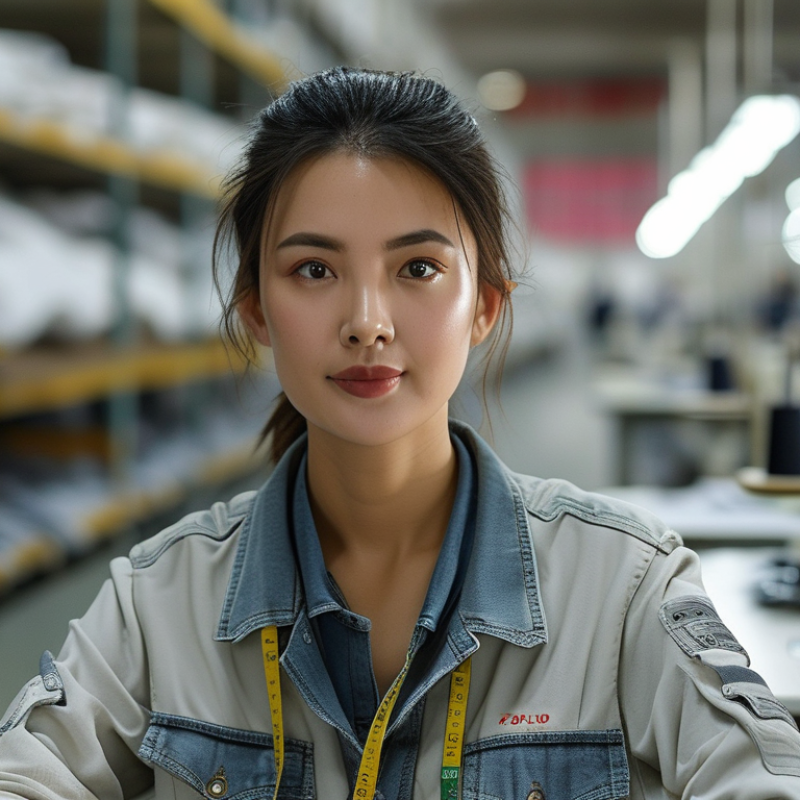
What Are Cut and Sew Clothing Manufacturers in China?
Cut and sew clothing manufacturers in China produce garments by cutting fabric panels and sewing them into finished products. This differs from fully fashioned or seamless production. The process often includes pattern development, fabric inspection, cutting, stitching, pressing, labeling, and final quality checks.
A reliable manufacturer usually begins with a tech pack, size chart, fabric specification, and approved sample. During factory evaluations, buyers should inspect cutting tables, sewing lines, pressing equipment, and storage areas. Small details matter. Check thread tension, seam strength, stitch density, and measurement accuracy. A loose seam may look harmless on a sample, but it can fail after repeated washing.
Manufacturers may support small batches, custom designs, and larger production runs. Their capabilities vary widely. Some focus on woven shirts, while others handle knitwear, outerwear, or structured garments. Ask about minimum order quantities, sample fees, production lead times, and inspection procedures. Written records reduce misunderstandings.
Experience also shows that the first sample is rarely perfect. Fabric shrinkage can change measurements. Colors may appear different under factory lighting. I have learned that clear revisions are more valuable than rushed approval. Buyers should request pre-production samples and independent inspections when practical. Responsible sourcing also requires safe workplaces, accurate documentation, and compliance with applicable labor and product regulations. The lowest quotation is not always the safest choice.
How to Identify the Best Chinese Clothing Manufacturers
Finding the best cut and sew clothing manufacturer in China requires evidence, not polished catalog photos. China accounted for about 31.7% of global clothing exports in 2022, according to the WTO World Trade Statistical Review 2023. That scale creates choices, but quality varies sharply between factories. Request a current business license, production address, machinery list, and recent third-party audit. Verify every document independently.
Ask whether the factory regularly handles your fabric type, stitch density, garment structure, and order volume. A capable manufacturer should explain seam allowances, shrinkage control, pattern grading, and inspection points without vague promises. Order a paid sample, then test washing, colorfastness, measurements, and seam strength. The AATCC Technical Manual identifies colorfastness and dimensional change as practical apparel quality tests. Keep the test report with the approved sample.
Factory visits reveal details that video calls hide. Look for labeled fabric rolls, covered cutting tables, calibrated measuring tools, and separate finished-goods areas. Review defect records, rework rates, worker training, and production capacity during peak months. The Better Work transparency model also emphasizes documented labor and management systems, not verbal assurances. Price alone is a weak filter. A low quote may exclude testing, packaging, or realistic lead times. I have seen attractive samples fail after washing. That remains a useful warning. Evaluate communication speed, corrective-action discipline, and whether the factory admits limitations. Reliability is easier to judge when problems are discussed early.
Key Factors for Comparing Quality, Pricing, and Capabilities
Choosing among China’s cut and sew clothing manufacturers requires more than comparing quoted prices. The WTO’s World Trade Statistical Review 2024 identifies China as the world’s largest clothing exporter in 2023. That scale can support strong fabric access, skilled sewing teams, and flexible production. However, capability differs sharply between factories. Request recent samples, sewing operation lists, machine photos, and production records. Details matter.
Quality should be measured through repeatable checks, not attractive samples alone. Use measurement tolerances, seam strength tests, colorfastness results, and an agreed inspection plan based on ISO 2859-1. Ask whether the factory controls cutting, stitching, pressing, packing, and final inspection internally. Textile Exchange’s Materials Market Report 2024 states that polyester represented about 57% of global fiber production in 2023. Therefore, verify recycled-content claims with transaction certificates and material test reports. A certificate without batch-level evidence is weak.
Pricing comparisons should include fabric yield, trims, sampling charges, packaging, inspection, tooling, and shipping terms. Compare the full landed cost. A lower sewing price may hide higher defect rates or costly rework. Ask for quotations at several order quantities, such as 500, 2,000, and 10,000 pieces. Review lead times during peak seasons, not only normal weeks. I would not rely on one factory visit or one perfect sample. Production can expose problems later. A practical scorecard can weight quality at 40%, capability at 30%, pricing at 20%, and communication at 10%. Adjust it when your product is unusually complex.
Best Cut and Sew Clothing Manufacturers in China: Key Comparison Factors
The chart shows an indicative FOB cost structure commonly used when comparing China-based cut-and-sew suppliers. Fabric and trims typically represent the largest portion of garment cost, while quality assurance, factory overhead, packaging, and manufacturer margin also influence the final quotation.
These percentages are industry-level planning benchmarks rather than company-specific quotations. Actual costs vary according to fabric composition, garment complexity, order quantity, compliance requirements, sampling, and finishing processes.
How to Verify Suppliers and Manage the Production Process
Best Cut and Sew Clothing Manufacturers in China?
Choosing a cut and sew manufacturer requires more than comparing unit prices. Verification should begin with the supplier’s registered business details, factory address, equipment list, and production capacity. Request recent factory videos, but do not rely on videos alone. A live video call can reveal cutting tables, sewing lines, storage conditions, and unfinished orders.
Ask for a sample made from your actual tech pack. Check fabric weight, shrinkage after washing, seam strength, thread tension, measurements, and color consistency. Record every change in a signed specification sheet. During production, approve a pre-production sample before bulk cutting. Then arrange inspections at key stages, including fabric arrival, inline sewing, and final packing. AQL inspections can help, but they cannot replace clear quality standards. One weak measurement can affect thousands of garments.
Tips:
Use a small trial order first. Confirm lead times in writing. Separate sample approval from bulk approval. Request photos of folded garments, labels, cartons, and packing marks. Keep payment milestones linked to completed work, not promises. A low quote may exclude pattern correction, pressing, or quality inspection fees. That mistake is easy to make. I have found that rushed approvals often create bigger delays later. Leave time for rework, because even an experienced factory can miss a detail when instructions are unclear.
What to Know About Compliance, Shipping, and Long-Term Partnerships
The best cut and sew clothing manufacturer in China is not always the cheapest one. Fit, communication, compliance, and repeatable quality matter more. During factory evaluations, I look beyond polished samples. I check sewing lines, fabric storage, inspection records, and production capacity. A clean sample room means little if bulk cutting creates shade differences or uneven seams.
Compliance needs evidence, not promises. Ask for current factory audits, material test reports, worker safety procedures, and documented quality controls. Confirm fiber content, care labels, packaging, and restricted-substance requirements for each selling market. Requirements can change, and buyers sometimes discover gaps too late. I once underestimated label approval timing; that small error delayed packing and increased air freight costs.
Shipping should be planned while sampling, not after production. Confirm Incoterms, carton dimensions, gross weight, port options, customs documents, and inspection dates. Keep a realistic buffer for fabric delays and rework. Sea freight may reduce cost, but a late season can erase the savings. Long-term partnerships grow through clear tech packs, measured samples, written tolerances, and honest feedback. Pay attention to how a manufacturer handles a failed inspection. That response often reveals more than a perfect first sample. Still, partnership does not remove the need for independent checks. A reliable process needs both trust and verification.
Conclusion
Cut and sew clothing manufacturers in China produce garments by cutting fabric panels and sewing them together according to a buyer’s designs, specifications, and quality requirements. This manufacturing model supports a wide range of products, from basic apparel to more detailed, custom-made collections. To identify the best supplier, buyers should review factory experience, equipment, production capacity, sample quality, communication, and ability to handle their materials and construction methods. Comparing quotations should involve more than price; fabric quality, workmanship, minimum order quantities, lead times, and production flexibility are equally important.
A reliable sourcing process includes checking business credentials, requesting samples, confirming technical specifications, and using clear purchase agreements. Buyers should establish inspection standards, approval procedures, and regular production updates to reduce errors and delays. Compliance with applicable labor, product safety, labeling, packaging, and environmental requirements should also be verified before production begins. By planning shipping documents, delivery schedules, and quality controls carefully, companies can build stable, transparent relationships and develop long-term Cut and Sew Clothing Manufacturing partnerships based on consistency, trust, and continuous improvement.

