Go Full Speed
Industry Knowledge & Resources

Apparel Manufacturing Blog & Insights

Expert advice, industry updates, cut & sew guides, and private label fashion trends.

Production & Development

Custom Apparel Manufacturing Guides

Learn how to build patterns, source fabrics, and turn designs into commercial apparel.

Private Label & Branding

Fashion Sourcing & Branding Tips

Discover tips on screen printing, embroidery, fabric sourcing, and private label scaling.

0%

Building a recognizable fashion brand requires more than attractive designs. It demands consistent quality, dependable production, and a clear understanding of customer expectations. Private Label Wholesale Apparel can help brands develop clothing under their own name while controlling key details, including fabrics, labels, packaging, and fit. A well-chosen supplier may also reduce development time and provide access to established production experience.

The process becomes practical when decisions are based on evidence. Requesting samples, checking seam strength, and comparing fabric weight can reveal problems before a larger order. A retailer might notice loose stitching after washing a sample or find that a color looks different under store lighting. These small tests protect both reputation and budget. Supplier communication matters too. Clear specifications, realistic timelines, and documented quality checks create a more reliable working relationship.

Still, private label is not a flawless shortcut. Some samples will disappoint. Minimum order quantities may challenge a young business, and a fashionable design can perform poorly in real sales data. Careful brands leave room for revision instead of trusting assumptions. They also review labeling requirements, material claims, and manufacturing practices with qualified professionals for each target market. Honest evaluation builds stronger decisions. With practical testing and responsible sourcing, Private Label Wholesale Apparel can become a useful foundation for a brand that wants control, consistency, and room to grow.
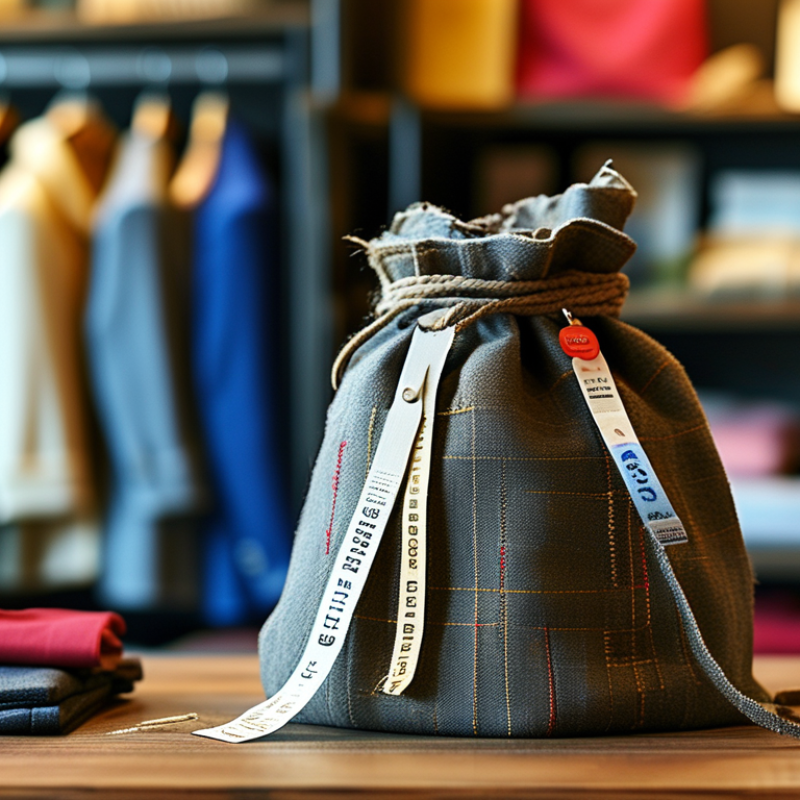
Why Choose Private Label Wholesale Apparel for Your Brand?

What Private Label Wholesale Apparel Means for Modern Brands

Private label wholesale apparel means buying ready-made or customizable garments from a manufacturer and selling them under your own label. Modern brands can choose fabric weight, measurements, colors, labels, packaging, and order quantities. This model gives smaller teams more control without building a factory. A practical example is a 240-gram cotton T-shirt, tested through several fit samples before bulk production. The process is faster than developing every component independently, but quality still depends on clear specifications and factory communication.

McKinsey’s State of Fashion 2025 expects global fashion growth of only 2% to 4% in 2025. That restrained outlook makes flexible wholesale sourcing more valuable. Brands can test 100 to 300 pieces before committing to deeper inventory. PwC’s Voice of the Consumer Survey 2024 found that consumers were willing to pay an average 9.7% premium for sustainably produced goods. This supports better fabric choices, transparent care labels, and more durable construction. However, sustainability claims require evidence, not attractive wording.

Small details matter. A soft neck label, reinforced shoulder seam, and accurate size chart can reduce returns. Poor grading cannot. Private labeling also creates risks, including inconsistent dye lots, delayed samples, and excess stock. I have seen attractive samples fail after washing. That is the uncomfortable part. A low unit price may hide weak fabric recovery or expensive storage. Brands should inspect pre-production samples, record measurements, and review test results before placing larger orders.

How Private Label Apparel Supports Brand Identity and Product Control

Private label wholesale apparel gives a brand more control over identity, fit, and customer experience. Instead of selecting generic garments, you can define fabric weight, stitching details, colors, labels, and packaging. A consistent neckline, sleeve length, or woven label can make a collection feel intentional. It also helps customers recognize your products across different seasons.

In production reviews, clear tech packs and approved samples reduce avoidable mistakes. Check measurements on a flat garment, not only on a model. Ask for fabric swatches before confirming bulk production. The first sample may still feel wrong. That is useful feedback, not failure. Small changes to pocket placement or seam strength can improve comfort and durability. Reliable suppliers should document quality checks and communicate changes before production continues.

Tips: Keep a simple product specification sheet for every style. Record fabric composition, measurements, color references, and approved sample notes. Test garments through washing and repeated wear. Review results honestly. A beautiful sample is not enough if the fit changes after washing. Also confirm care labels and packaging details meet the requirements of your target market. Consistent records make future orders easier, even when a supplier or design changes.

Why Choose Private Label Wholesale Apparel for Your Brand? - How Private Label Apparel Supports Brand Identity and Product Control

Evaluation Dimension Private Label Wholesale Apparel Standard Wholesale Apparel Brand Benefit
Brand Identity Custom brand labels, hangtags, packaging, and product presentation can be specified. Products usually retain the supplier’s existing labels and presentation. Creates a more consistent customer experience across product lines.
Product Design Control Brand owners can define silhouettes, colors, fabrics, trims, measurements, and finishing details. Selection is generally limited to available styles, colors, and sizes. Supports distinctive products that are easier to position in a specific market segment.
Minimum Order Quantity Often higher because labels, packaging, materials, and custom production must be prepared. Often lower when purchasing ready-made inventory. Requires demand planning, but can improve product consistency and long-term scalability.
Development Timeline Common planning range: approximately 2–8 weeks for sampling and approvals, excluding material delays. Commonly faster when products are already finished and available for dispatch. Allows more preparation for launch campaigns, fitting tests, and quality reviews.
Production Lead Time Common planning range: approximately 4–12 weeks after approval, depending on order size and materials. Usually based on existing stock or the supplier’s standard replenishment schedule. Provides greater control over repeat orders when specifications are documented.
Quality Specifications Quality standards can include fabric composition, color tolerance, measurements, stitching, shrinkage, and inspection criteria. Quality is mainly determined by the supplier’s existing product specifications. Reduces ambiguity and makes supplier performance easier to measure.
Fit and Sizing A brand-specific size chart, grading rules, and fit sample can be developed. Sizing follows the supplier’s standard measurements, which may vary between collections. Improves consistency and helps reduce fit-related returns when properly tested.
Label and Packaging Control Custom sewn-in labels, care labels, hangtags, polybags, cartons, and inserts may be specified. Packaging and labels are generally standardized by the supplier. Strengthens recognition at unboxing, retail display, and repeat purchase stages.
Cost Structure May include development, sampling, artwork, custom materials, labeling, and packaging costs. Usually has fewer customization-related charges at the start. Enables planned investment in products that support long-term brand value.
Product Exclusivity Custom specifications can make a product less directly comparable with generic alternatives. The same or similar styles may be available to multiple buyers. Supports clearer differentiation in product pages and retail channels.
Compliance Responsibility The buyer must verify applicable fiber-content, care, country-of-origin, safety, and packaging requirements for each market. Existing supplier documentation may be available, but the buyer still needs to confirm local compliance. Encourages documented processes and reduces avoidable compliance risks.
Best Strategic Fit Businesses building a recognizable apparel range and seeking control over product details. Businesses prioritizing quick access to existing styles with minimal development work. Helps align sourcing decisions with launch speed, differentiation, and growth objectives.

Planning note: Lead times, minimum order quantities, costs, and customization options vary by garment type, materials, order volume, production location, and supplier capabilities. All compliance requirements should be checked for the intended sales market.

Key Cost, Quality, and Production Advantages for Growing Businesses

Private label wholesale apparel can improve cost control without forcing a growing business to build its own factory. PLMA’s 2024 U.S. Private Label Yearbook recorded $236.6 billion in private-label sales during 2023. That scale shows strong consumer acceptance. The State of Fashion 2025 report from McKinsey also highlights cautious shoppers and continuing margin pressure. Custom labels, packaging, and agreed production quantities can reduce unnecessary retail markups. They also make pricing easier to manage.

Quality depends on process, not promises. A reliable supplier should provide fabric swatches, measurement charts, fit samples, and pre-shipment inspections. Small details matter. A reinforced shoulder seam or stable rib collar can prevent expensive returns. Private label production also allows controlled adjustments after each sample round. This is useful when a sleeve feels tight or a fabric looks thinner under store lighting. However, lower unit prices can hide sampling fees, minimum order quantities, or slow revisions. That part is often underestimated.

Production becomes more predictable when specifications are written clearly. A detailed tech pack, approved color standard, and inspection checklist reduce interpretation errors. The 2024 State of Fashion report from McKinsey notes that supply-chain resilience remains a major business priority. Multiple production options can support that resilience, although they may increase coordination work. Private label is not automatically cheaper or better. It works best when cost targets, quality tolerances, and delivery dates are reviewed before bulk production begins.

How to Evaluate Suppliers, Materials, and Minimum Order Requirements

Why Choose Private Label Wholesale Apparel for Your Brand?

Private label wholesale apparel can improve product control, but supplier selection needs evidence. Start with factory experience, production capacity, communication speed, and quality procedures. Request recent audit records, business licenses, sample photos, and references from comparable orders. A polished website proves little. Textile Exchange’s Materials Market Report 2024 estimates global fiber production reached 124 million tonnes in 2023, showing why material traceability deserves close attention.

Ask where fibers are sourced, how fabrics are tested, and whether certificates match the actual product. Useful checks include fiber composition, colorfastness, shrinkage, pilling, and seam strength. GOTS, GRS, and OEKO-TEX certifications can support review, but certificates should be verified through official databases. Documentation can still contain gaps. That is worth noticing.

Minimum order quantities, or MOQs, affect both cash flow and product risk. Compare the MOQ per style, color, and size, not only the factory’s headline figure. A 300-piece MOQ may become 1,200 units after four colors and three size ranges. Request a sample before negotiating volume. Confirm sample fees, lead times, payment stages, defect allowances, and remake policies in writing. The U.S. Fashion Industry Association’s 2024 benchmarking research continues to identify sourcing cost and supply-chain uncertainty as major business pressures. Lower unit prices may therefore hide expensive delays. A smaller first order may cost more per piece, yet provide better learning. No scorecard is perfect. Recheck suppliers after production begins.

Steps to Build and Manage a Successful Private Label Apparel Line

Private label wholesale apparel gives a brand control over product details, pricing, and customer experience. Building the line requires more than selecting attractive fabrics. Start with a focused customer profile. Note preferred sizes, colors, climates, and buying habits. Then define a small product range. Three strong styles often outperform twelve uncertain ones. Create a written brief for each item. Include measurements, fabric composition, stitching expectations, labels, packaging, and target cost. Share reference samples with a qualified manufacturer. Ask for a prototype before placing a larger order. Fit problems often appear only after movement tests.

Manage development through documented approvals. Check the first sample on different body types. Record changes with photos and measurement tables. Test shrinkage, colorfastness, seam strength, and wash performance. Keep production records, inspection reports, and supplier communication in one place. This improves traceability and makes corrections faster. Verify required labeling and safety information for every sales market. Requirements can differ. Do not guess. A small pilot order can reveal demand without tying up excessive cash. Review return reasons, sell-through, defect rates, and customer comments each month. Honest data may challenge the original design.

Tips: Build a realistic timeline with room for sampling delays. Negotiate quality standards, not only unit price. Keep approved samples as production references. Inspect cartons before shipment. Avoid changing fabric, trims, or measurements without written approval. I once underestimated packaging space; the extra storage cost reduced the launch margin. That mistake was avoidable. Leave room to improve.

Why Choose Private Label Wholesale Apparel for Your Brand?

A growing apparel market creates opportunities for private label businesses to plan product development, sourcing, and inventory with a long-term perspective.

The global apparel market is projected to grow steadily from 2024 to 2028. Private label companies can use this outlook to validate demand, select focused product categories, negotiate wholesale production, and build a manageable seasonal launch plan.

Source: Statista Market Insights, “Apparel — Worldwide”; values shown are rounded global market revenue estimates in trillion U.S. dollars.

FAQS

: How does private label apparel strengthen product identity?

: It lets you control fabric weight, colors, stitching, labels, and packaging. A consistent neckline can make seasonal products feel connected. Small details matter.

What should a product specification sheet include?

Record fabric composition, measurements, color references, stitching expectations, labels, packaging, and target cost. Keep approved sample notes nearby. Do not rely on memory.

Why are prototypes important before larger production?

Prototypes reveal fit problems during movement. Check sleeve length, pocket placement, and comfort on different body types. The first sample may feel wrong. That is useful feedback.

How can quality problems be reduced during production?

Use clear technical documents and written approvals. Compare production garments with an approved sample. Document inspections, measurements, and supplier changes. Photos help.

Which garment tests should be completed?

Test shrinkage, colorfastness, seam strength, washing, and repeated wear. Measure garments after washing. A beautiful sample is not enough.

How should a new apparel line manage product variety?

Begin with a focused customer profile and a small range. Three strong styles may outperform twelve uncertain ones. Less can work better.

What customer information should guide product development?

Review preferred sizes, colors, climates, and buying habits. Track returns, defects, sell-through, and customer comments each month. Honest data may challenge the original design.

How can costs and launch risks be controlled?

Use a small pilot order before committing to larger quantities. Plan for sampling delays and storage needs. I once underestimated packaging space. The margin suffered.

Conclusion

Private Label Wholesale Apparel gives modern brands a practical way to create clothing collections that reflect their own identity while maintaining greater control over design, labeling, materials, and presentation. Instead of selling generic products, businesses can develop distinctive styles, choose suitable fabrics and finishes, and build a consistent product range that supports long-term customer recognition. This approach is especially useful for growing companies that want flexibility without managing every stage of manufacturing independently.

The model can also offer advantages in cost management, production efficiency, quality consistency, and scalable order planning. To choose the right supplier, businesses should evaluate manufacturing experience, material standards, communication, customization capabilities, lead times, and minimum order requirements. A successful private label line begins with clear product goals, a well-planned collection, reliable samples, careful quality checks, accurate packaging details, and ongoing supplier management. With thoughtful planning and regular performance reviews, brands can build apparel products that balance customer expectations, operational needs, and sustainable business growth.


Ethan

Ethan

Ethan is a professional marketing specialist with a strong understanding of the company’s products, customers, and industry landscape. Combining strategic insight with practical experience, he focuses on communicating complex product information in a clear, useful, and engaging way. Through the......