Explore our high-performance sustainable blank apparel templates. Designed for private labels, streetwear brands, and corporate lines seeking GOTS-certified organic cotton, heavyweight knits, and eco-conscious technical blends.
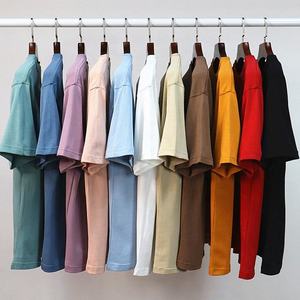

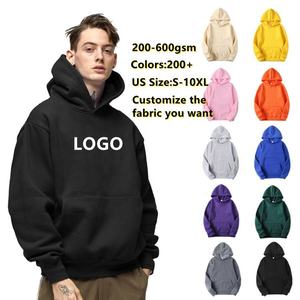
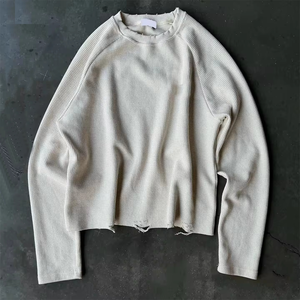
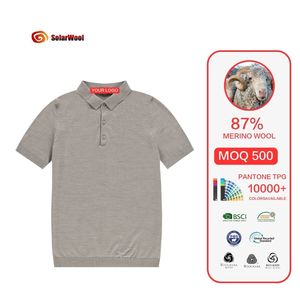

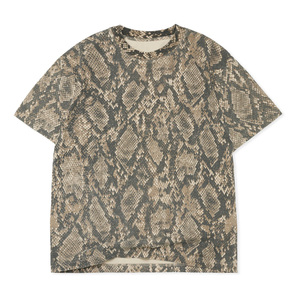

The global textile and apparel manufacturing sector is undergoing an unprecedented structural realignment driven by stringent ESG (Environmental, Social, and Governance) mandates, evolving consumer preferences, and mandatory supply chain transparency legislation such as the EU Digital Product Passport (DPP) and the Uyghur Forced Labor Prevention Act (UFLPA). For fashion brands, corporate uniform specifiers, and private labels, selecting a Custom OEM Eco Friendly Apparel Sourcing Supplier is no longer merely a brand marketing tactic—it is a core operational risk mitigation strategy.
Full Speed 100 (FS100), operating from our primary cut & sew development base in Los Angeles, California, represents the vanguard of modern apparel manufacturing. By uniting full-service product development, technical garment engineering, low-MOQ flexibility, and a network of over 100 audited global fabric mills, we empower apparel enterprises to transition seamlessly from legacy, high-waste supply chains to agile, low-carbon OEM production models.
To deliver actionable value for technical apparel designers and purchasing managers, modern eco-friendly fabric selection must evaluate yield, tensile strength, moisture management, and lifecycle carbon metrics. Below is an engineering comparison matrix of raw materials utilized across our custom OEM apparel programs:
| Fiber / Blend Type | Eco Certification Standard | Tensile Strength & Durability | Moisture & Odor Control | Ideal OEM Garment Application |
|---|---|---|---|---|
| Organic Combed Cotton (220 - 500 GSM) | GOTS, OEKO-TEX Standard 100 | High (Ring-spun double jersey knit) | Moderate absorption; High breathability | Heavyweight Oversized T-Shirts, Streetwear Hoodies |
| Solarwool™ Merino Wool Blend | BSCI, Responsible Wool Standard (RWS) | Superior elastomeric recovery | Natural keratin-based anti-odor; Hydrophobic fiber core | Technical Polos, Premium Corporate Activewear |
| Recycled Cotton / rPET Hybrid | Global Recycled Standard (GRS) | High tear resistance; Low linting | Quick-dry moisture transport | Eco-Workwear, Athletic Performance Blanks |
| Waffle Knit Thermal Cotton | OEKO-TEX Step, Fair Trade Certified | 3D dimensional structural stability | High thermal insulation trapping warmth | Boxy-Fit Casual Long Sleeves, Layering Tops |
When developing custom cut-and-sew apparel programs, understanding fabric weight (measured in Grams per Square Meter, or GSM) is crucial for silhouette structure. For example, our 500 GSM Heavyweight Fleeces utilize a dense 3-thread French Terry construction with zero synthetic fill, yielding a rigid architectural drape demanded by premium luxury streetwear labels, while maintaining 100% bio-degradability upon end-of-life disposal.
Integrating product development, raw material procurement, cut & sew assembly, and custom branding under a single operational umbrella eliminates fragmented communication and vendor margin stacking. Our specialized OEM infrastructure delivers six critical competitive advantages:
In-house pattern makers, sample master tailors, and tech pack engineers transform digital CAD concept sketches into production-ready physical prototypes with precise grading scale rules.
Direct mill access to over 100 vetted knit, woven, trim, and packaging manufacturers across North America and Asia, guaranteeing low-toxicity dyes and ethically harvested yarns.
We bridge the gap between boutique fashion startups and enterprise retail scaling by offering flexible, low MOQ production runs without sacrificing factory-direct wholesale pricing.
State-of-the-art high-density screen printing, eco-friendly water-based inks, high-stitch-count 3D puff embroidery, and high-durability heat transfer vinyl applications.
All manufacturing facilities adhere strictly to Business Social Compliance Initiative (BSCI) human rights criteria and OEKO-TEX chemical safety parameters.
Headquartered in Los Angeles, CA, our account executives provide 24-hour quotation responses, real-time tracking of line assembly, and optional domestic rush fulfillment.
The sustainable apparel procurement landscape is shifting rapidly from voluntary marketing statements toward quantitative, regulatory-enforced environmental criteria. Brands seeking long-term market dominance must align their supply chain architectures with four macro trends currently restructuring global OEM production:
Imminent European Union regulations require every garment placed on the market to carry a scannable digital identity revealing its Tier 1 through Tier 4 supply chain journey. Forward-thinking OEM suppliers are embedding RFID tags and QR codes directly into organic cotton care labels, linking consumers to farm-level GPS coordinates, dye-house chemical audit logs, and verified Scope 1–3 carbon footprint data.
Traditional garment wet processing consumes up to 100 liters of water per kilogram of fabric. Next-generation eco-friendly apparel manufacturing relies on supercritical carbon dioxide (scCO2) dyeing, ozone washing for vintage distressed aesthetics (as seen in our Waffle Thermal collection), and closed-loop enzyme treatments that eliminate hazardous effluent discharge entirely.
Conventional apparel cutting rooms generate between 15% to 25% fabric scrap waste. Modern OEM manufacturers utilize AI-optimized marker placement software coupled with zero-waste pattern drafting techniques. Furthermore, garments are engineered from mono-material compositions (e.g., 100% organic cotton fabrics combined with 100% cotton sewing threads and unbleached cotton brand tags) to facilitate frictionless mechanical recycling without requiring labor-intensive material separation.
Geopolitical volatility and maritime shipping disruptions have exposed the vulnerabilities of long-distance apparel procurement. The industry standard is evolving toward a "Hybrid Sourcing Strategy"—maintaining core high-volume fabric milling with audited global partners while executing high-speed garment cut-and-sew, local customization, and final finishing at nearshore facilities in Los Angeles, reducing inventory hold times from 120 days down to under 21 days.
When conducting factory audits or reviewing Request for Quotes (RFQs) for eco-friendly custom apparel, procurement teams should verify five core technical indicators to avoid greenwashing:
Below are technical solutions to common procurement questions encountered by sourcing managers, apparel developers, and brand owners:
Partner with Los Angeles’ premier full-service clothing manufacturer. Access 100+ eco-certified fabric sources, precision cut-and-sew craftsmanship, and rapid wholesale blank customization.
