

The Definitive Guide to OEM/ODM Cut Make Trim (CMT) Garment Manufacturing & Global Procurement
In the rapidly evolving global fashion ecosystem, apparel brands, wholesale importers, and corporate procurement directors face an unprecedented operational dilemma: balancing rapid time-to-market speed with strict quality control and margin resilience. Navigating the choices between Cut Make Trim (CMT) services, Original Equipment Manufacturing (OEM), and Original Design Manufacturing (ODM) requires a thorough technical understanding of pattern drafting, textile yields, tech pack engineering, and international export compliance.
As a leading premier manufacturer and exporter with over 19 years of direct factory experience in Los Angeles and global supply chain hubs, our integrated operations bridge the gap between initial creative concept development and mass-market export logistics. This document provides enterprise-level insights into contract garment manufacturing methodologies, future sourcing trends, operational risk mitigation, and technical execution.
1. Deconstructing Garment Manufacturing Models: CMT vs. OEM vs. ODM vs. Full Package Production (FPP)
Choosing the correct contract model dictates your supply chain's capital expenditure, raw material inventory liability, and technical control. Below is an operational breakdown of how modern garment processing is executed:
Cut Make Trim (CMT)
The brand provides all raw materials (shell fabric, lining, threads, zippers, buttons, labels, and hangtags) along with approved tech packs and graded patterns. The CMT factory executes precision fabric spreading, automated CAD cutting, sewing assembly, and final trimming.
OEM (Original Equipment Mfg)
The buyer supplies custom designs, tech packs, and brand specifications. The OEM factory assumes full responsibility for fabric mill procurement, trim custom development, lab dip approvals, prototype sampling, mass cutting, sewing, finishing, and custom packaging.
ODM (Original Design Mfg)
Ideal for fast-fashion brands and retail chains looking for turn-key collections. The factory acts as the creative and structural designer, offering ready-to-produce fashion lines where buyers apply custom private-label branding, customized colorways, and minor spec tweaks.
While CMT manufacturing minimizes factory markup on raw materials and grants absolute control over mill sourcing, it shifts fabric yield risk, fabric defect allowances, and shipping delay liabilities entirely to the brand. Conversely, OEM/FPP transfers material inventory risks to the manufacturer, securing fixed landed costs per piece.
2. Technical Process Workflow: From CAD Pattern Draping to Precision Cutting
Precision execution at the pre-production stage prevents costly mass assembly errors. Our modern manufacturing facilities implement a rigorous 6-step technical workflow:
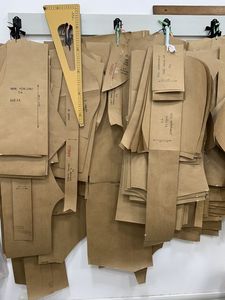
- Pattern Making & Digital Draping: Translating 2D designer sketches into accurate 3D CAD pattern pieces using Optitex/Gerber software, ensuring accurate drape, seam allowance balance, and ergonomic fitting.
- Sample Making & Fit Verification: Developing prototype fit samples on physical forms to verify seam tension, fabric stretch recovery, pattern balance, and aesthetic proportions.
- Digitized Marker Making & Yield Optimization: Utilizing automated computer algorithms to nest pattern pieces onto fabric markers, achieving up to 88-92% marker efficiency and drastically reducing fabric scrap waste.
- Relaxation & Automated Spreading: Tension-free mechanical fabric spreading with a mandatory 24-hour fabric relaxation window to eliminate shrinkage distortion post-cutting.
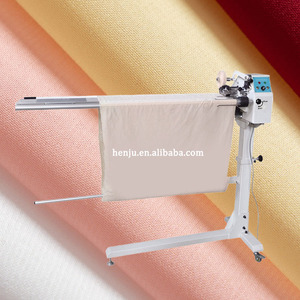
- Precision Cutting: Utilizing high-velocity CNC knife cutters and strip rolling cutting machinery to guarantee clean edges, exact notch placement, and flawless ply-to-ply consistency.
- Bundling & Barcode Tracking: Segmenting cut panels by shade lot and size batch, integrated with QR/barcode tracking to eliminate shade variation during assembly lines.
3. Comparative Operational Matrix: CMT vs. OEM vs. ODM Solutions
To assist strategic sourcing directors in evaluating contract models, the following matrix outlines operational responsibilities, risk distribution, and minimum order parameters:
| Evaluation Parameter | Cut Make Trim (CMT) | OEM (Full Package) | ODM (Turnkey Private Label) |
|---|---|---|---|
| Design & Tech Pack Ownership | 100% Brand Owned | 100% Brand Owned | Factory Owned / Co-Developed |
| Fabric & Trim Sourcing | Brand Sourced & Delivered | Factory Sourced & Developed | Factory In-Stock / Pre-Approved |
| Fabric Yield & Scrap Risk | Borne by Brand | Borne by Manufacturer | Borne by Manufacturer |
| Minimum Order Quantity (MOQ) | Flexible / Low (e.g., 50-100 pcs) | Moderate (e.g., 300-500 pcs) | Low to Medium (In-stock blanks) |
| Production Lead Time | Fast (14 - 21 Days post-fabric receipt) | Standard (35 - 60 Days full cycle) | Rapid (10 - 20 Days custom branding) |
| Quality Control Standard | In-line Assembly Check | End-to-End AQL 2.5 Audit | Pre-packaged Quality Audit |
4. Global Procurement & Future Sourcing Trends (2025 - 2030)
The global textile and apparel manufacturing sector is undergoing a profound structural shift driven by sustainability mandates, supply chain transparency, and digital integration. Key macro trends shaping garment procurement include:
Nearshoring & Dual-Sourcing
Brands are shifting from single-source offshore reliance to dual-hub strategies—combining rapid-response domestic hubs (e.g., Los Angeles) for quick-turn inventory with cost-optimized offshore facilities for volume basics.
Sustainable Material Compliance
Strict European and US regulations mandate GOTS-certified organic cotton, Recycled Polyester (rPET), OEKO-TEX Standard 100 compliance, and closed-loop water treatment in dye houses.
On-Demand Low-MOQ Runs
Micro-batches (50–200 units per colorway) are replacing massive inventory buys, reducing markdown inventory risk and allowing direct-to-consumer (D2C) brands to test market demand in real time.
5. Enterprise Competitive Advantage: Why Partner With Us?
With 19 years of verified manufacturing excellence, our organization provides a strong competitive moat engineered to protect your brand's quality and profitability:
- Vertically Integrated Supply Chain: From paper pattern drafting, fabric sourcing, cutting, and stitching to custom screen printing, embroidery, and heat transfers—everything is handled in-house under one roof.
- Comprehensive Material Network: Access over 100+ audited textile mills globally, granting client preference for specialized knits, performance wovens, eco-friendly blends, custom dye lots, and technical trims.
- Zero Tolerance Quality Control (AQL 2.5): Every garment passes through multi-stage inspection points: incoming fabric inspection (4-Point System), in-line sewing checks, trimming/cleaning audits, and final AQL 2.5 box audits before export.
- Ethical Compliance & Transparency: Fair labor practices, clean work environments, and compliant manufacturing operations that align with international ESG and retail compliance standards.