Explore benchmark garment items produced with precision flatlock stitching, ergonomic 4-way stretch fabrics, and custom embossing techniques ready for wholesale scale.
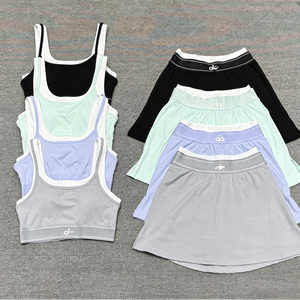
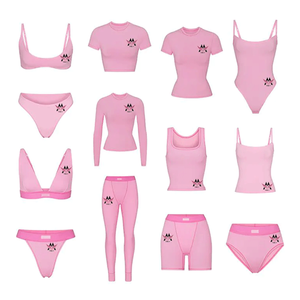
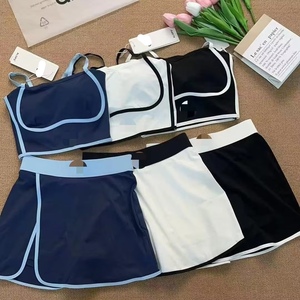
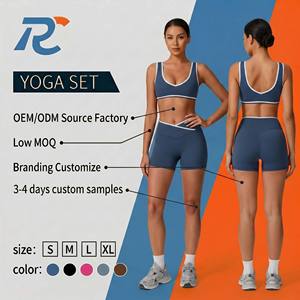
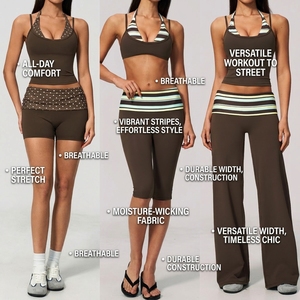
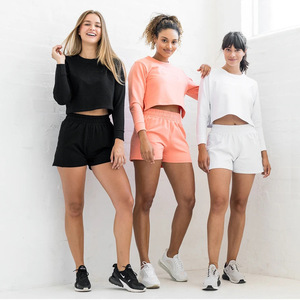
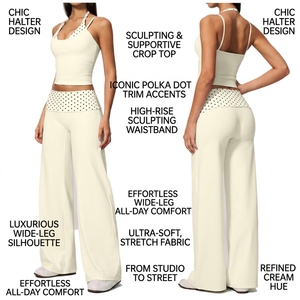
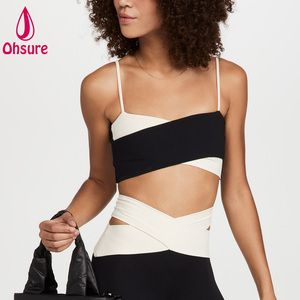
In modern apparel supply chains, navigating high-end garment production requires more than comparing unit costs. Brand directors and sourcing executives must evaluate factories based on technical stitch architecture, textile recovery percentages, lab-dip colorfastness, and ethical compliance.
| Evaluation Parameter | Standard OEM Garment Factory | Tier-1 High-End Exporter (Full Speed Standard) | Technical Impact & Information Gain |
|---|---|---|---|
| Seam Architecture | Standard 3-thread overlock | ISO 607 6-Needle Flatlock | Prevents skin chafing under high friction; increases seam tensile strength to >250N. |
| Fabric Elastane Recovery | Spandex blend (75-80% recovery) | 4-Way Stretch (95-98% recovery) | Eliminates knee/elbow sagging over 100+ wash cycles; maintains structural silhouette. |
| Chest Pad & Mold Tech | Cut-and-sewn foam inserts | 3D Heat-Embossed Ergonomic Pads | Provides localized anti-vibration bounce control while enhancing breathability. |
| Color Fastness Rating | Grade 3 (Standard wash test) | Grade 4.5+ (ISO 105-C06 / Perspiration) | Zero pigment bleeding during intense aerobic sweat or alkaline exposure. |
| Quality Control Protocol | End-of-line random visual check | 4-Stage AQL 1.5/2.5 Audit System | Reduces defective return rates to <0.6% across international wholesale distribution. |
Global garment sourcing is undergoing a structural transition. Sourcing managers must align with digital twin tech packs, circular synthetic fibers, and dynamic nearshoring networks to maintain margin resilience.
Procurement is shifting toward smart polymers embedded with phase-change materials (PCM). Next-generation yoga suits and activewear require capillary-action moisture transport that speeds drying times by 40% compared to standard polyester.
European and North American import mandates require full supply chain auditability. Top manufacturers are substituting virgin nylon with Global Recycled Standard (GRS) regenerated ECONYL® yarn sourced from ocean waste and post-industrial textile scrap.
Traditional cut-and-sew generates 15-20% fabric waste during pattern cutting. Circular 3D seamless knitting machines produce complete tube garments directly from raw yarn feeds, offering body-mapping compression zones with zero material scrap.
Consumer expectations in activewear have expanded beyond aesthetic silhouettes. High-end garments must combine technical structural engineering with anatomical support.
Modern activewear trousers and shorts feature multi-panel crossover waist structures. By distributing elastic tension diagonally across the core rather than applying horizontal compression, garments deliver high-waist abdominal support without pinching internal organs or creating rollover during deep flex exercises.
Outdoor running suits require anti-walking internal silicone gripper bands at hem lines and thigh cuffs. Combined with encapsulated inner bra cup scaffolding, this dual-layer architecture dampens high-impact kinetic bounce during sprinting while holding garments in place without riding up.
Replacing low-durability screen prints, high-end factories utilize ultrasonic heat embossing to etch geometric micro-textures directly into technical fabrics. This process creates 3D visual depth, enhances surface abrasion resistance, and ensures branding never peels or cracks over lifetime use.
Headquartered in Los Angeles with global material sourcing links, Full Speed 100 delivers full-service garment production tailored for premium fashion labels, activewear brands, corporate lines, and educational institutions.
Send an InquiryCritical answers for apparel brand managers, sourcing leads, and global buyers evaluating high-end manufacturing partners.
Tier-1 high-end factories specialize in precision technical construction—such as ISO 607 flatlock stitching, automated fabric tension cutting, computer-controlled digitizing for embroidery, and rigorous lab testing for colorfastness, seam strength, and fiber recovery. Unlike standard volume plants, high-end exporters enforce strict AQL 1.5 quality thresholds and provide end-to-end tech pack development support.
While traditional overseas factories often demand 1,000+ pieces per colorway, modern agile manufacturers like Full Speed 100 offer flexible low-MOQ programs starting as low as 100–300 pieces per style. This enables growing brands to test market demand, launch seasonal color capsules, and iterate designs without excessive inventory risk.
The prototyping workflow begins with initial tech pack creation or auditing (grading specs, measurement tables, bill of materials). Once digital patterns are finalized, physical fit samples are crafted within 7–14 business days. After fit revisions and sample sign-off, full production tooling and fabric dye-lot runs commence.
Yes. With access to over 100+ vetted textile mills worldwide, we source custom knitting constructions including brushed recycled nylons, organic cotton blends, moisture-wicking elastane, antimicrobial bamboo weaves, and GRS-certified sustainable polymers. Laboratory dip matching (Lab Dips) is conducted prior to bulk fabric knitting.
Private label lines can be fully customized using silicone heat transfer transfers, 3D high-density embroidery, water-based screen printing, dye-sublimation, custom woven neck labels, hang tags, polybag packaging, and custom branded elastic bands.
Our quality assurance protocol includes incoming raw material inspection (4-Point System), in-line seam checking during stitching, pre-packaging needle detector audits, and final AQL 1.5/2.5 random sampling. All export shipments comply with US CPSC regulations, REACH chemical limits, and OEKO-TEX Standard 100 textile safety standards.
Partner with a proven Los Angeles cut & sew manufacturer and global sourcing leader. Get fast quotes, tech pack audits, and sample quotes within 24 hours.
