Every garment line below is subject to rigorous 4-tier quality assurance audits—including GSM weight verification, seam stretch elasticity testing, and colorfastness validation—ensuring total compliance with North African import standards and European retail specifications.
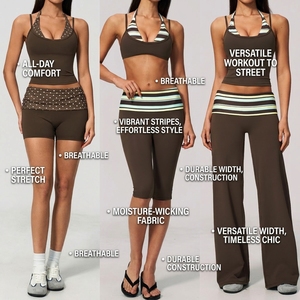

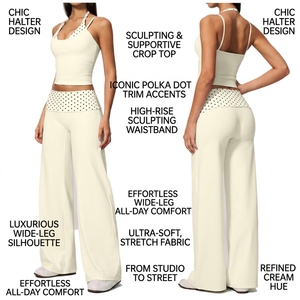
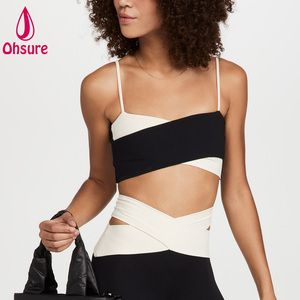
An in-depth guide on maintaining zero-defect manufacturing standards, implementing ISO 2859-1 (ANSI/ASQ Z1.4) sampling procedures, and securing customs compliance across Moroccan maritime trade corridors.

As Morocco positions itself as a dominant nearshoring powerhouse connecting North Africa with the European Union, garment sourcing managers face intense pressures: mitigating production defects while adhering to strict shipping timelines. A single overlooked defect class—such as uneven shade bandings, seam slippage under tensile load, or incorrect fiber composition labelling—can trigger costly port rejections at Tangier Med or Casablanca, leading to severe commercial penalties.
Our OEM Garment Quality Inspection Services provide international brands and local distributors with end-to-end oversight. By embedding certified QC auditors directly onto factory floors across China, Southeast Asia, and Mediterranean production hubs, we deliver transparent, real-time audit reporting that safeguards your bottom line.
Raw material verification prior to cutting. We inspect fabric rolls for GSM weight consistency, color matching under D65 light boxes, shrinkage ratios, and formaldehyde/AZO dye chemical safety compliance.
Executed when 15% to 20% of the production run is completed. Monitors line setup, stitching density (SPI counts), seam strength, pattern alignment, and corrects early stage assembly deviations.
Conducted upon 100% garment completion and at least 80% packing into export cartons. Strict sampling per ISO 2859-1 (AQL 2.5 Major / 4.0 Minor) evaluating aesthetic, functional, and packaging parameters.
Verifies carton counts, shipping mark accuracy, carton integrity, moisture levels inside containers, and proper seal application before ocean transit to Casablanca or Tangier ports.
The Moroccan apparel market demands distinct product performance metrics tailored to regional climate dynamics, commercial channels, and end-user lifestyles:
Morocco's national industrial strategy—driven by the Association Marocaine des Industries du Textile et de l'Habillement (AMITH)—emphasizes sustainable manufacturing, rapid lead times, and digital integration. Key trends reshaping procurement include:
1. Nearshoring Advantage: Brands leveraging Morocco’s proximity to Western Europe cut logistics lead times down to 3–5 days via maritime roll-on/roll-off (Ro-Ro) shipping from Tangier Med to Algeciras or Marseille.
2. ESG & Sustainability Mandates: International buyers require GRS (Global Recycled Standard) certified recycled polyesters, OEKO-TEX Standard 100 chemical audits, and energy-efficient dyeing protocols. Our inspection teams provide verified ESG compliance documentation.
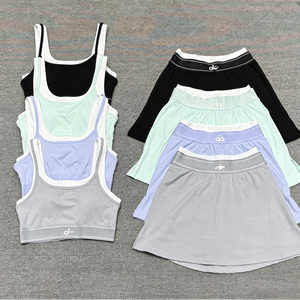
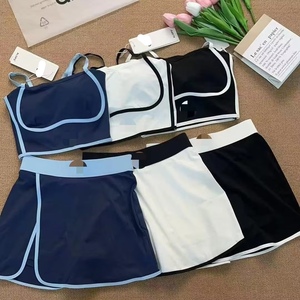
3. Rise of Activewear & Seamless Technology: Traditional woven apparel is increasingly giving way to seamless circular-knit activewear. Inspection protocols have shifted toward measuring recovery modulus, elastane degradation rates, and heat-seal tape adhesion strength.
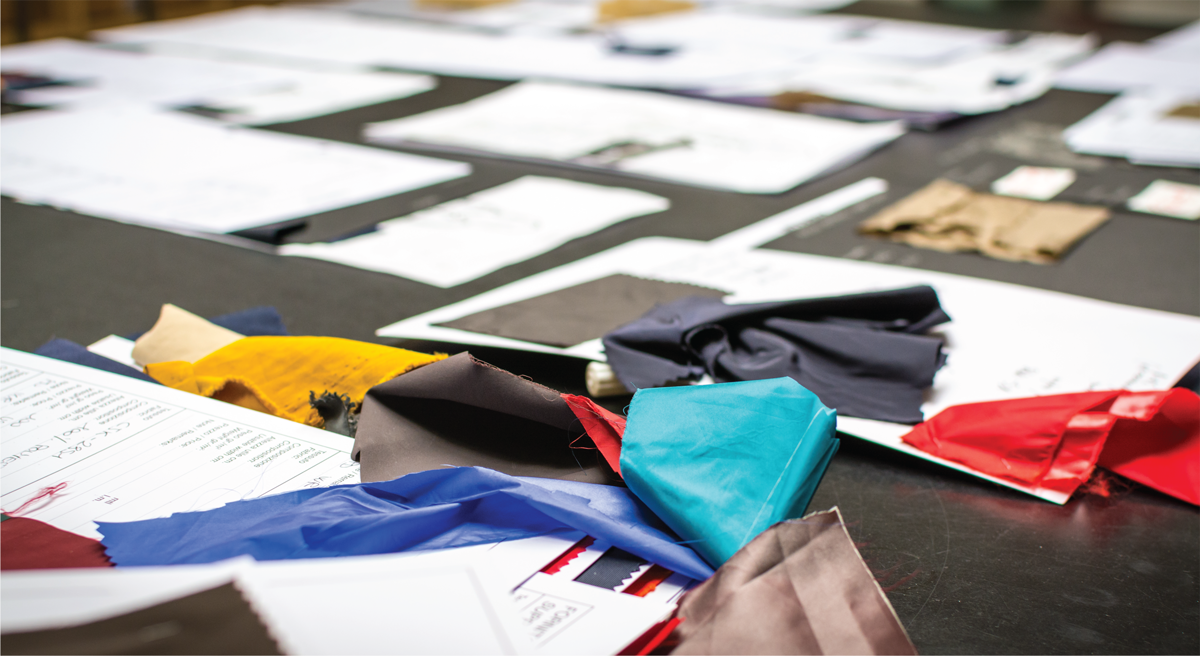
Integrating full-service cut & sew manufacturing expertise with rigorous third-party quality control.
Over two decades of master-level garment engineering, pattern grading, and global supply chain management serving tier-1 retailers.
Direct mill relationships for premium high-elasticity nylon, recycled polyester, organic cotton, and specialized trims.
Complete control from initial sketch tech pack creation to sample duplication, bulk cutting, and final assembly.
100% metal and needle detector scans on all activewear, kids, and seamless items to eliminate liability risks.
Clear answers to crucial questions regarding garment quality standards, inspection logistics, customs requirements, and OEM contract terms.
For high-end activewear, yoga sets, and premium retail apparel sold in Morocco or re-exported to Europe, we standardly enforce ISO 2859-1 AQL 2.5 for Major Defects and AQL 4.0 for Minor Defects. Critical defects (such as needle remnants or sharp metal fragments) carry a zero-tolerance (0.0 AQL) threshold. For budget promotions, AQL 4.0 Major / 6.5 Minor can be configured upon request.
Our Final Random Inspection (FRI) reports verify compliance with Moroccan National Norms (Normes Marocaines - NM) and mandatory labeling requirements. We confirm correct French/Arabic fiber composition tags, country of origin markings, care instruction symbols, and ensure packed cartons match bill of lading packing lists to eliminate port customs holds.
Yes. Seamless circular-knit apparel requires tailored inspection criteria. Our auditors conduct specialized elasticity recovery tests, stretch-band deformation checks, squat-proof opacity light audits, and 4-needle 6-thread flatlock seam tension testing to guarantee zero seam breakdown during intense workout movement.
If a batch fails inspection, an immediate "FAIL" alert is dispatched alongside an itemized defect report pinpointing root causes (e.g., oil stains, loose threads, sizing out of tolerance). The factory is mandated to perform a 100% sorting and re-work operation at their expense, followed by a full re-inspection by our team prior to container loading release.
With our extensive network across primary textile production hubs in Asia, Turkey, and Europe, we guarantee inspector deployment within 24 to 48 hours of booking confirmation. Formal digital inspection reports are delivered within 8 to 12 hours after inspection completion.
Yes. For buyers seeking preferential tariff treatment under the EU-Morocco Free Trade Agreement or Pan-Euro-Mediterranean rules of origin, our Container Loading Supervision (CLS) phase verifies that all EUR.1 documentation, origin stamps, and commercial invoice details accurately align with physical cargo container contents.
Absolutley. We inspect custom heat-transfer logo adhesion durability (cross-hatch peel test), woven neck label sewing quality, custom hangtag placement, barcode scannability (UPC/EAN-13), and polybag suffocation warning print compliance to ensure retail-ready shelf arrival.
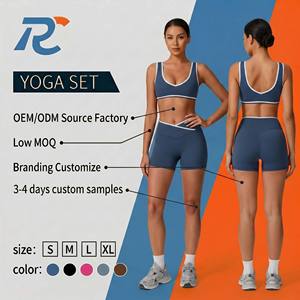
We accommodate flexible production volumes! While traditional factories require 3,000+ units per style, our agile cut & sew supply network supports low-MOQ starting runs (often starting at 200–500 pieces per style/color), allowing emerging Moroccan fashion brands and fitness studios to scale risk-free.
Eliminate manufacturing risks, verify product quality before shipment, and access world-class OEM apparel production customized for the Moroccan market.
